
In short
Scuffs, short cracks and broken mounting tabs on a plastic bumper cover can often be repaired and refinished, while tears, many cracks or missing pieces usually mean a new cover. On many cars, radar units, cameras and parking sensors sit in or behind the bumper, and removing the cover can call for a scan or calibration depending on the maker.
- Small cracks and broken tabs are often repairable; tears usually are not.
- A sagging cover may only need new clips or brackets.
- Forward radar often sits in or behind the front bumper or grille.
- Some makers call for scanning after bumper removal; ask about yours.
- In Texas you choose the shop and the parts for your car.
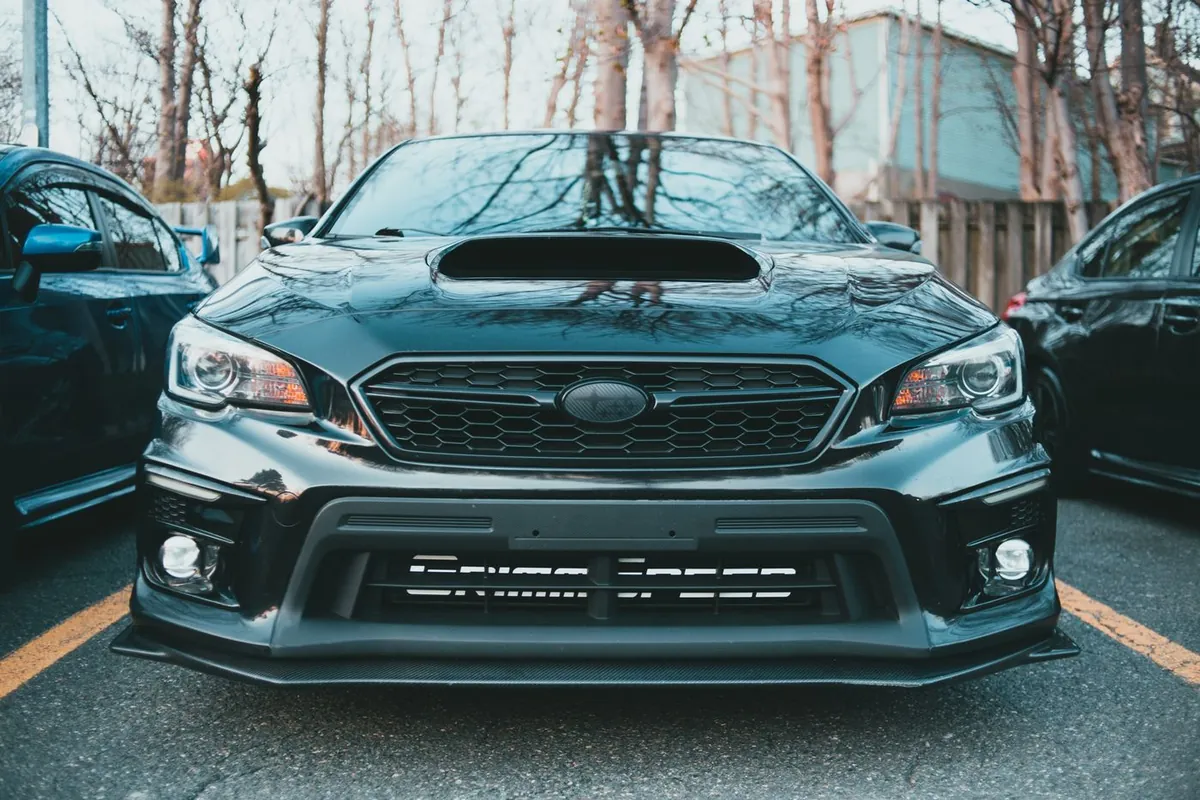
Should a cracked or sagging bumper cover be repaired or replaced?
A bumper cover is the painted plastic skin on the front or back of the car. Small cracks, scuffs, gouges and a broken mounting tab can often be repaired: the plastic is welded or bonded from behind, shaped, and refinished. A cover that is torn through, has several long cracks, is missing pieces, or has lost many mounting points is usually replaced, because a repair would take more work than a new part and still might not sit right.
A sagging cover is often a different problem. The plastic may be fine while the clips, brackets or tabs that hold it have broken. Replacing those parts can bring the cover back into line without painting anything.
The bigger question on most modern cars is what sits behind the cover. Radar units, parking sensors and cameras often live in or behind the bumper. Whether the cover is repaired or replaced, it usually has to come off to do the work properly, and taking it off can affect those sensors. That is the part of the estimate worth reading closely.
What is behind the bumper cover?
The plastic you see is only the outer layer. Behind it, from the outside in, most cars have:
- An energy absorber, a foam or plastic honeycomb block that soaks up low-speed bumps.
- A reinforcement bar, a steel or aluminum beam bolted to the body or frame. This is the real bumper.
- Brackets, clips and guides that hold the cover in shape and keep the gaps even with the fenders and lights.
- Sensors and wiring. The Insurance Institute for Highway Safety (IIHS) says front crash prevention systems use cameras, radar or lidar, and rear systems use cameras, radar or ultrasonic sensors. I-CAR, the collision repair training organization, says forward radar sensors sit in or behind the front bumper or grille and supply adaptive cruise control, collision braking and collision warning.
A cover can look almost undamaged while the absorber is crushed or a bracket is snapped. A cover can also look terrible while everything behind it is fine. Only taking it off answers that question for sure.
The reinforcement bar deserves its own look. It is bolted to the ends of the frame rails or the front structure, and a hard enough hit can push it back into them. If the bar is bent, or the bolts at its mounts are pulled or the mounting areas are wrinkled, the damage has gone past the bumper into the structure, and the estimate should say so. Signs to watch for include a hood or trunk lid that no longer lines up, uneven gaps at the headlights, or a car that drives differently. Our guide on how to tell if a car has frame damage lists the others.
A plastic repair itself is careful work, not a quick patch. The crack is cleaned and opened, the plastic is welded or bonded from the back, often with a reinforcing mesh or strip, and the front is filled, shaped and sanded before a flexible primer and the color go on. Broken tabs can be rebuilt the same way or replaced with repair tabs when the maker's design allows.
What does my kind of bumper damage usually call for?
This table lists the common kinds of bumper cover damage, the usual repair choice, and the sensor question that comes with each.
| What you see | Usual choice | Sensor question to ask |
|---|---|---|
| Scuff or shallow scratch, no crack | Repair and refinish, often without removing the cover | Is there a sensor under the area being sanded or painted? |
| Short crack, tabs intact | Plastic repair from behind, then refinish | Will the cover come off, and does the maker call for a scan afterward? |
| Cover sagging or a gap at the fender | Replace broken clips or brackets; cover may be reused | Is a radar or camera bracket also bent? |
| Tear through the plastic or many cracks | Replace the cover and refinish it | Will the sensor mounts from the old cover transfer, or do they need new parts? |
| Push-in with a crushed absorber | Replace absorber, check the reinforcement bar | Is the radar or its bracket damaged, and will it need calibration? |
| Warning light or a driver-assist message after the bump | Diagnose before deciding on the cover | Which system set the fault, and what does the maker require to fix it? |
Read it from your symptom across to the question. The question in the right column is the one to put to any shop, including us, before you agree to the repair.
Why do the sensors matter if only the plastic broke?
Sensors are aimed. A radar unit or camera has to point exactly where the car's software expects, and a small change in its angle can change how far ahead or to the side it looks. I-CAR's summary of forward radar requirements says replacing the sensor normally means calibrating it. Taking off the front bumper or grille, repairing the front structure, or removing the radar and putting it back may also call for a calibration. Whether it is needed on your car depends on the maker.
Calibration comes in two forms, according to I-CAR. Static calibration is done in the shop with a scan tool and targets set at specified positions in a large area free of metal objects. Dynamic calibration is done with a scan tool while the car is driven under conditions set by the maker, and rain can slow or stop it.
Makers also call for a scan after this kind of work:
- Chrysler, Dodge, Jeep and Ram: FCA's scan tool position statement lists significant disassembly, including bumpers, among the conditions that could trigger trouble codes, and says scanning with its own tool is necessary before and after collision repair.
- Mercedes-Benz: its statement lists removal or replacement of bumpers and parking sensors among the cases that call for a full scan.
Other makers publish their own rules, and they change. The fair question for any shop is simple: what does the maker of my car say about this bumper and these sensors, and how will you do it? Our guides on recalibrating safety cameras and sensors and on scanning before and after the repair go further.
Does bumper work cost more because of the sensors?
It can. In a December 2023 study of three 2023 model-year vehicles, AAA found that in a minor rear collision, the driver-assistance components made up 40.9 percent of the repair estimate, mostly from replacing and calibrating sensors. Those are study figures, not a price for your car, but they show why a small bump on a newer car can produce an estimate that surprises people.
What drives the total on your car is the list of parts touched: whether the cover is repaired or replaced, whether brackets and absorbers are broken, whether a sensor is damaged or only removed, whether the maker calls for calibration, and how much refinishing and blending the paint match needs. Our guide on whether the new paint will match covers that last point.
New, aftermarket or used cover: who decides?
In Texas you do. The Texas Consumer Bill of Rights for personal auto insurance says you have the right to choose the repair shop and parts for your vehicle, and that the company is not required to pay more than a reasonable amount. The Texas Department of Insurance (TDI) says insurers must pay for parts of like kind and quality, which are not necessarily original manufacturer parts.
Makers have their own positions, and some are firm. For example, I-CAR reports that GM's current statement strictly prohibits non-genuine aftermarket and used parts on Chevrolet, Buick, GMC and Cadillac vehicles. A maker's position is not Texas law, but on a cover that holds a radar or parking sensors, the fit of the mounting points matters. Ask how the sensor mounts on the cover being quoted compare with the original. For the full picture, see OEM, aftermarket or used parts after a wreck in Texas.
What should I check after the bumper is fixed?
- Gaps and lines. Look at the seams between the cover and the fenders, headlights or tail lights. They should be even on both sides.
- Color. Check the cover against the fender in daylight. A slight shade difference between plastic and metal can be normal from the factory; a clear mismatch is not.
- Warning lights. Start the car and look for driver-assist or parking sensor messages.
- Paperwork. Ask for the scan and calibration results if those were done.
- A short drive. Make sure parking sensors beep where they should and the driver-assist features you use behave as before.
If something seems off, raise it before you leave. Rear hits on taller vehicles often involve more than the cover; see rear-end repair for minivans and SUVs.
How ACE Body & Frame helps
ACE Body & Frame has worked on S. Peachtree Road in Balch Springs since 1987, for drivers in Balch Springs, Mesquite and the surrounding area. Bumper repair is part of our everyday collision repair and auto body and paint work.
- A free computerized estimate that shows whether the cover is repaired or replaced, which brackets and absorbers are included, and which sensors sit behind it. Request a free estimate with a photo of the bumper.
- Straight answers on sensors. Ask us how scanning and any calibration the maker requires will be handled on your vehicle, and we will explain it before work begins.
- All insurance claims accepted. We document the damage, write the estimate and work with the adjuster. You have the right to choose where your vehicle is repaired. Repairs are satisfaction guaranteed.
What to bring: the car, the insurer's estimate if you have one, and a note of any warning lights you saw. Call 972-286-0935, Monday to Friday, send your bumper details online, or use our contact page. More guides are on our paint, dents and hail page, and our body repair service page shows what else we do.
Questions people ask next
Can a cracked bumper cover be glued?
Household glue will not hold flexible bumper plastic for long. A proper repair welds or bonds the plastic from behind, often with a reinforcing layer, then shapes and refinishes the front with a flexible primer. Whether it is worth doing depends on the length and location of the crack and whether the mounting tabs are intact.
My parking sensors beep constantly after a small bump. Why?
A sensor may have been knocked out of position, cracked, or have its wiring pulled loose, or the cover may be pressing on it. Sometimes mud or a dent in front of the sensor is enough. Have the bumper area checked and the system scanned so the cause is found rather than guessed.
Does every bumper repair need a calibration?
No. It depends on the vehicle, which sensors it has, and what was removed or replaced. I-CAR says forward radar calibration is normally required after the sensor is replaced and may be needed after the bumper is removed. The maker's repair information decides, so ask how your car will be handled.
Why is the new bumper a slightly different shade than the fender?
Bumper covers are plastic and are often painted separately from the metal body, so a small difference can exist even from the factory. Compare with the other end of the car. If the repaired cover is clearly off compared with the original look, tell the shop before you leave so it can be checked.
Can I drive with a cracked or loose bumper cover?
If it is secure, a crack is mostly cosmetic for a short time, though water and dirt can reach sensors and wiring behind it. A cover that is hanging, rubbing a tire or flapping at speed should be secured or removed before you drive, because it can come off on the road.
Ready to get it fixed?
ACE Body & Frame, 2922 S. Peachtree Road, Balch Springs. Free computerized estimates, all insurance claims accepted.
Sources
- IIHS, "Advanced driver assistance" topic page
- I-CAR RTS, "Typical Calibration Requirements For Forward Radar Sensors"
- FCA US LLC Position Statement, "Scan Tool Usage" (December 1, 2025)
- MBUSA Collision Position Statement re: Diagnostic Repairs Following a Collision
- AAA Newsroom, "Fixing Advanced Vehicle Systems Makes Up Over One-Third of Repair Costs Following a Crash" (Dec. 14, 2023)
- I-CAR RTS, "General Motors Updates Position Statements: UPDATE"
- Consumer Bill of Rights, Personal Automobile Insurance (28 TAC 5.9970(b), 2026 Version)
- TDI, Automobile insurance guide (cb020)
Read next
 Paint, dents and hail
Clear coat peeling or faded paint in the Texas sun: what are my options?
Dull paint can often be polished; peeling clear coat needs the panel sanded to sound paint and refinished. Compare spot fixes, panels and a full repaint.
 Paint, dents and hail
Dent or door ding near Balch Springs: can it be fixed without repainting?
Many dents with unbroken paint can be pushed out with no repainting. See which dents need paint, what the repair involves and when to use insurance.
 Paint, dents and hail
Windshield or door glass broken in a wreck near Mesquite: who replaces it?
After a wreck, glass is best replaced with the body repair so the opening is straight and cameras are calibrated. What to ask about glass and drive-away.
More: all paint, dents and hail guides, collision repair, repair by make, reviews and directions to the shop.