
In short
If the paint is dull but the clear coat is whole, polishing and a sealant can bring much of the shine back. Once clear coat is cracking or peeling, the panel has to be sanded down to sound paint and refinished, because spot fixes tend to lift again. When most panels have failed, a full repaint gives the most even result.
- Dull, hazy paint can often be polished; peeling clear cannot.
- Roof, hood and trunk fail first because they take the most sun.
- A lasting fix removes all failing clear coat on the panel.
- Sun fading alone is rarely an insurance claim; ask your agent.
- Shade, gentle washing and a sealant slow the next round.
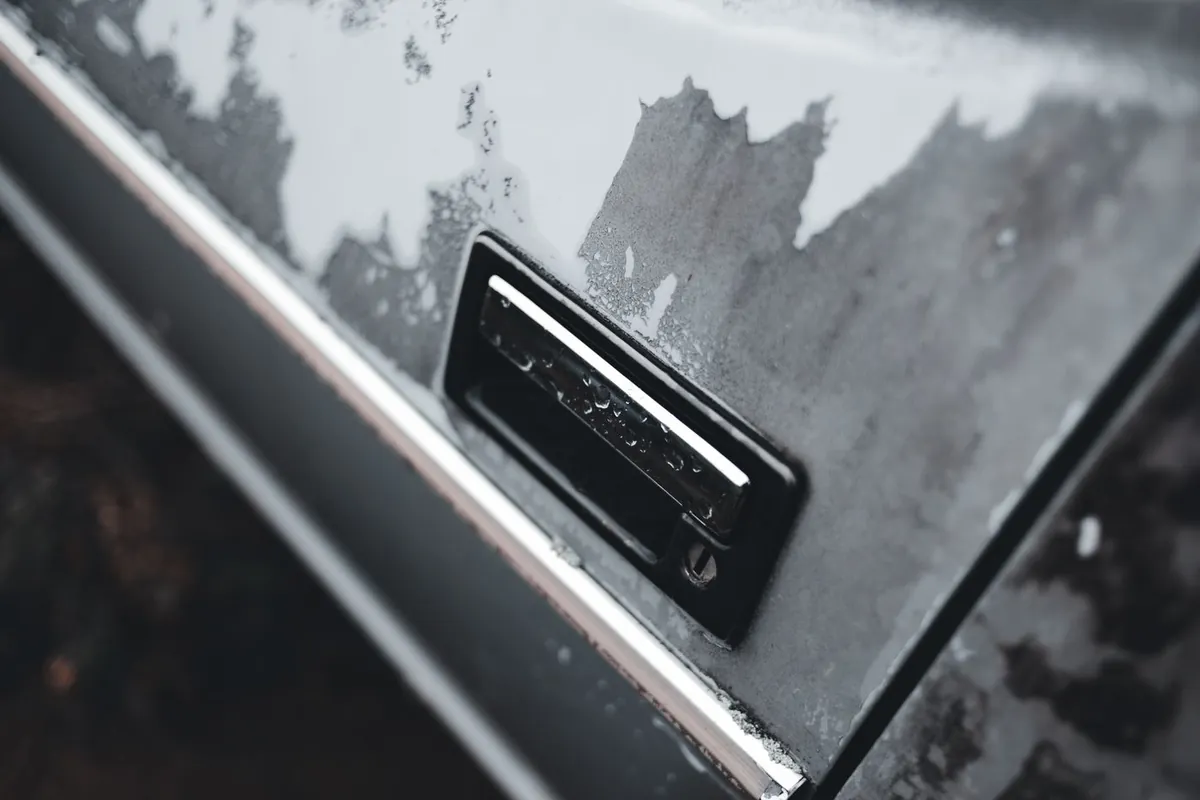
What can I do about peeling clear coat or faded paint?
You have four realistic options, and the right one depends on how far the damage has gone:
- Polish and protect, when the paint is dull or chalky but the clear coat is still whole. Machine polishing can bring back a lot of gloss, and a wax or sealant slows the next round of fading.
- Refinish the affected panels, when clear coat is peeling on the roof, hood or trunk but the sides are sound. Those panels are sanded down to stable paint, refinished, and blended into the panels beside them.
- Repaint the whole car, when peeling and fading are spread across most panels, or you want one even finish for a long time.
- Leave it and slow it down, on an older work car where looks matter less. Keep it washed and shaded, and seal any bare spots so rust does not start.
What does not work is a spot fix on peeling clear. Paint around a peeling patch is usually weak too, so the edge keeps lifting after a touch-up. A proper repair goes back to sound paint across the whole panel.
Why does Texas sun do this to paint?
Most cars built in the last few decades have a base coat for color and a clear coat on top. The clear coat carries the gloss and shields the color from sunlight. Years of strong sun break the clear coat down. First it loses shine and looks hazy. Then it may crack in fine lines, turn milky, and finally lift and flake off in sheets, leaving the color coat underneath exposed and fading fast.
The flat, upward-facing panels go first: roof, hood, trunk lid and the tops of the fenders. They take the sun head on, get the hottest, and hold water and bird droppings longest. A car parked outside every day in Balch Springs or Mesquite will often show it there years before the doors and bumpers.
Some colors show it more than others. Reds and dark blues fade visibly, whites can go chalky, and black shows every haze. Older single-stage paint, with no separate clear coat, oxidizes into a chalky film instead of peeling, and that film can often be polished away.
Which stage is my paint at?
The table below matches what you see on the car to the stage of damage and the options that usually fit it.
| What you see | Stage | Options that usually fit |
|---|---|---|
| Dull, hazy paint that shines when wet | Surface oxidation of the clear coat | Machine polish, then wax or sealant |
| Chalky residue on your hand, older car | Oxidized single-stage paint | Polish may restore it; refinish if it does not |
| Milky or cloudy patches in the clear | Clear coat starting to fail | Refinish the panel; polishing will not last |
| Fine cracks in the clear on roof or hood | Clear coat breaking down | Refinish the affected panels soon |
| Clear coat flaking off in sheets | Clear coat failure | Sand to stable paint, refinish and blend |
| Color faded or gone, primer showing | Base coat failure | Refinish; seal bare spots right away |
| Failure on most panels | Whole-car breakdown | Full repaint is usually the even result |
Use it panel by panel. A car can be at the top of the table on its doors and near the bottom on its roof, and the best plan treats each part for what it needs.
Can peeling clear coat be fixed on one spot?
Usually not in a way that lasts. When the clear coat lets go, it does so because the bond between it and the color coat has failed over an area larger than the visible peel. Sanding the edge smooth and spraying clear over it means new material is sitting on weak paint, and the edge tends to lift again.
A lasting repair removes all the failing material on the panel. The painter sands until the surface underneath is sound, primes any bare areas, sprays the color, and puts a fresh clear coat over the whole panel. Because the color next door has also aged, the new color is blended into the neighboring panels so the repair cannot be seen. Our guide on whether new paint will match the rest of the car explains why that matters most on faded paint.
The work itself is regulated. A federal air rule, 40 CFR 63.11173, requires shops that spray coatings on motor vehicles to use painters who have completed training in spray application and equipment setup, to spray inside a booth or enclosure whose filters are shown to capture at least 98 percent of overspray, and to use approved spray guns. A booth used to refinish complete vehicles must be fully enclosed with a full roof and four walls or side curtains. That matters most on a full repaint, where the whole car goes in the booth.
Panel refinish or full repaint: how do I decide?
Ask yourself these questions before you ask for prices:
- How many panels are failing? Two or three on top of the car point to a panel refinish. Failure on most panels points to a full repaint.
- How long will you keep the car? If you plan to drive it for years, an even finish all over saves coming back panel by panel.
- Is the color changing? A color change means door jambs, under the hood and trunk edges too, which is a much bigger job. Most owners keep the original color.
- Is there other body work? Dents, rust or a planned collision repair are best done before or with the paint, not after.
- Is it a classic? Restoration paint is its own subject; see what to ask before a classic car paint job.
And ask any painter these: which panels will be refinished and which blended, how deep the sanding will go, whether trim, handles and lights come off or get masked, and how the new clear coat should be cared for. Removing trim gives cleaner edges than taping around it. For company vehicles that need a matching look across a fleet, see fleet repainting and color match.
Here is what happens at the shop once you decide. The car is washed and inspected panel by panel under good light, because some damage only shows when the surface is clean. Trim, emblems, handles and lights on the panels being painted are removed or carefully masked. The failing clear is sanded off, and any bare metal is treated and primed. Small dents and chips found along the way are fixed now, since paint shows every flaw underneath it. Then the color is mixed, tested against the car, and sprayed in the booth, followed by the clear coat. After the paint cures, the surface is checked for dust and polished where needed, and the parts go back on.
Paint work takes longer than people expect, mainly because each layer has to dry or cure before the next step, and because more panels mean more preparation. A full repaint takes considerably longer than one or two panels. Our guide on how long body and paint repair takes explains what speeds it up and what slows it down.
Will insurance pay for faded or peeling paint?
Usually not for sun fading alone. The Texas Department of Insurance (TDI) describes collision coverage as paying to repair your car after an accident, and comprehensive coverage as covering theft and non-collision damage such as fire, flood, vandalism and hail. Paint wearing out over years in the sun is gradual wear, not a sudden event, so it rarely fits either. Your policy is the final word, and TDI says an insurer cannot charge you more for a call asking about your policy or the claims process, so asking costs nothing.
The exception is when an event caused the paint damage: a hailstorm that cracked the finish, a chemical spill, or vandalism. Those may be comprehensive claims. Our guide on hail damage repair and insurance covers storms, and the one on deep scratches and keyed cars covers vandalism.
How do I slow it down once the paint is fixed?
- Park in shade when you can. A garage, carport or covered parking does more than any product.
- Wash regularly with car shampoo. Dish soap strips protection. Rinse off bird droppings, tree sap and bugs quickly, because they etch the clear in heat.
- Protect the top surfaces. Wax or a paint sealant on the roof, hood and trunk adds a sacrificial layer. Ask the shop when fresh paint is ready for it.
- Avoid harsh scrubbing. Automatic washes with worn brushes and dry wiping with a rag leave fine scratches that dull the finish.
- Use a cover with care. A clean, breathable cover helps on a car that sits; a dirty one flapping in wind can scuff paint.
How ACE Body & Frame helps
ACE Body & Frame has been on S. Peachtree Road in Balch Springs since 1987, painting and repairing cars and trucks for drivers in Balch Springs, Mesquite and the surrounding area. Refinishing sits alongside our collision repair, frame, glass and restoration work.
- A free computerized estimate that looks at each panel and lists which can be polished, which need refinishing and which will be blended. Request a free estimate and tell us your color and model year.
- Options side by side. Ask for a panel refinish and a full repaint quoted separately so you can choose.
- Satisfaction guaranteed. Check the finish outdoors when you pick the car up and tell us if anything is not right.
What to bring: the car, washed if possible so the paint shows its true condition, and any history of earlier paint work. Call 972-286-0935, Monday to Friday, or send photos of the paint online. Before you come in, you can look at finished paint work in our gallery, read the other paint, dent and hail guides, or see what our auto body and paint service covers.
Questions people ask next
Can I just spray new clear coat over the peeling spot?
It rarely lasts. The bond between old clear and color has usually failed over a larger area than you can see, so new clear sitting on it tends to lift at the edges. A lasting repair sands the panel back to paint that is firmly attached, then puts on fresh color and clear across the whole panel.
Why is only my roof and hood peeling?
Flat, upward-facing panels take the sun directly, get hotter than the sides, and hold water, sap and droppings longer. They break down first on almost every car parked outside. Doors and bumpers often look fine for years after the roof has failed, which is why a panel refinish is a common choice.
Will a ceramic coating or wax fix faded paint?
No. Coatings and waxes protect paint that is still sound and can make polished paint look deeper. They cannot rebuild clear coat that has cracked or peeled away. On oxidized but intact paint, the order is polish first, then protect. On failed clear, refinish first, then protect once the new paint has cured.
Is a full repaint worth it on an older car?
That depends on how long you will keep it and what it means to you. A full repaint gives an even finish everywhere, while refinishing only the failed panels keeps the job smaller. Ask for both options in writing, compare them, and consider any dents or rust that should be fixed at the same time.
Does faded paint lead to rust?
Fading alone does not, but once clear and color wear through to primer or metal, moisture can reach the steel. Bare steel rusts, and rust spreads under the surrounding paint. If you see primer or metal showing, seal the spot or have it refinished soon, even if the rest of the car can wait.
Ready to get it fixed?
ACE Body & Frame, 2922 S. Peachtree Road, Balch Springs. Free computerized estimates, all insurance claims accepted.
Sources
- 40 CFR 63.11173
- TDI, Automobile insurance guide (cb020)
- TDI, "Will my premium go up if I file a claim?"
Read next
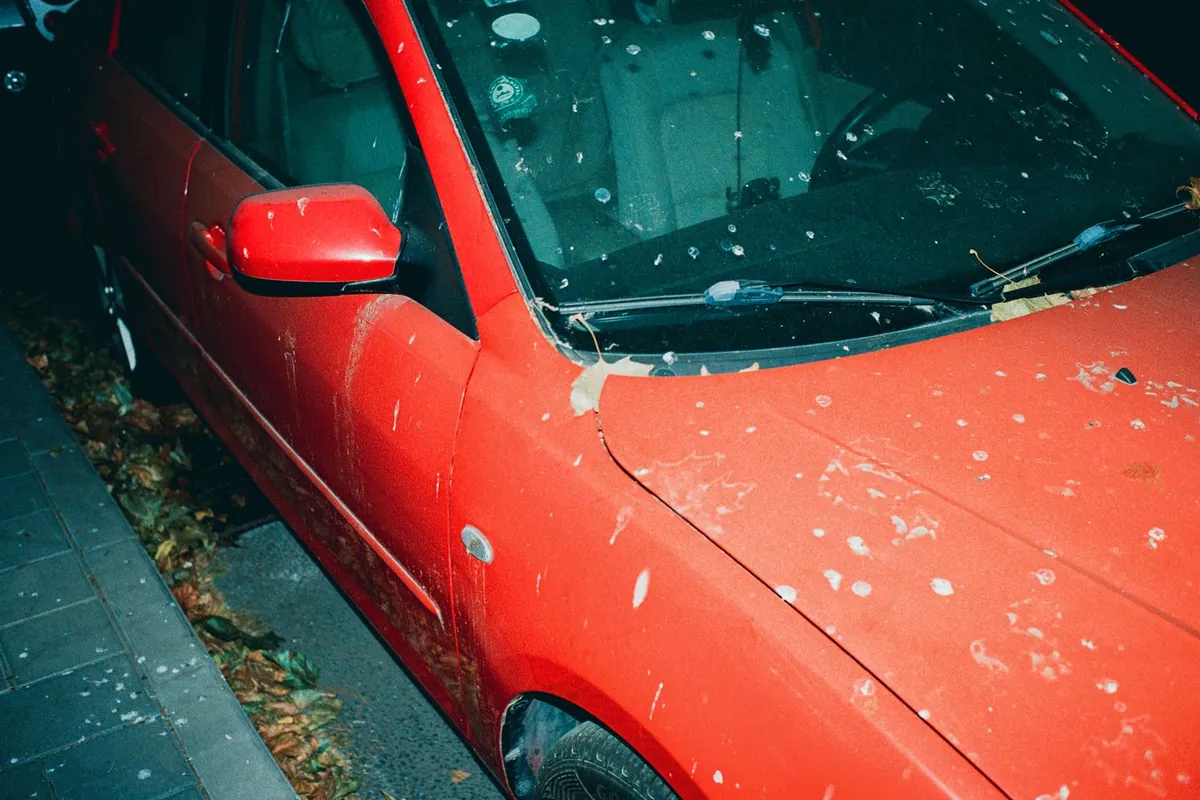 Paint, dents and hail
Hail damage on my car in the Dallas area: repair options and insurance?
Hail damage is covered under comprehensive in Texas. Compare dent repair, refinish and panel replacement, and learn how to file, document and avoid scams.
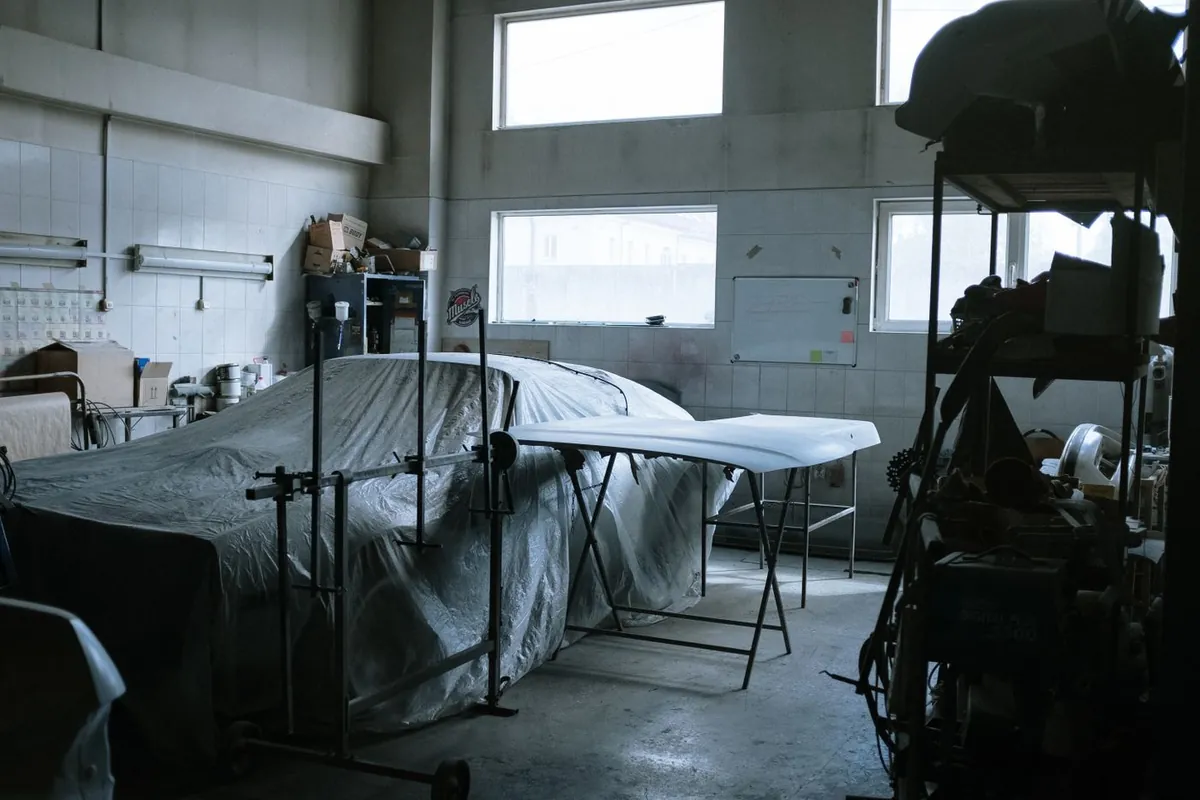 Paint, dents and hail
How long does body and paint repair usually take, and what slows it down?
Repair time depends less on the work itself than on approvals, hidden damage, parts, paint curing and calibration. See each step and how to keep it moving.
 Paint, dents and hail
Cracked or sagging bumper cover: repair or replace, and what about the sensors behind it?
Small cracks and broken tabs can often be repaired; tears and missing pieces mean a new cover. Learn why the radar and sensors behind it matter too.
More: all paint, dents and hail guides, collision repair, repair by make, reviews and directions to the shop.