
In short
Often, yes. If the paint on the dent is not cracked or chipped and the metal is not stretched, paintless dent repair can push the panel back to shape and keep the factory finish. Broken paint, sharp creases and dents at panel edges usually need conventional repair with paint and blending.
- Unbroken paint is the main sign a dent can be fixed without repainting.
- Sharp creases, panel edges and stretched metal usually need paint.
- Bare metal in a dent should not wait, because it can rust.
- Comprehensive covers vandalism and hail; collision covers accidents.
- Get a free estimate first, then decide whether to file a claim.
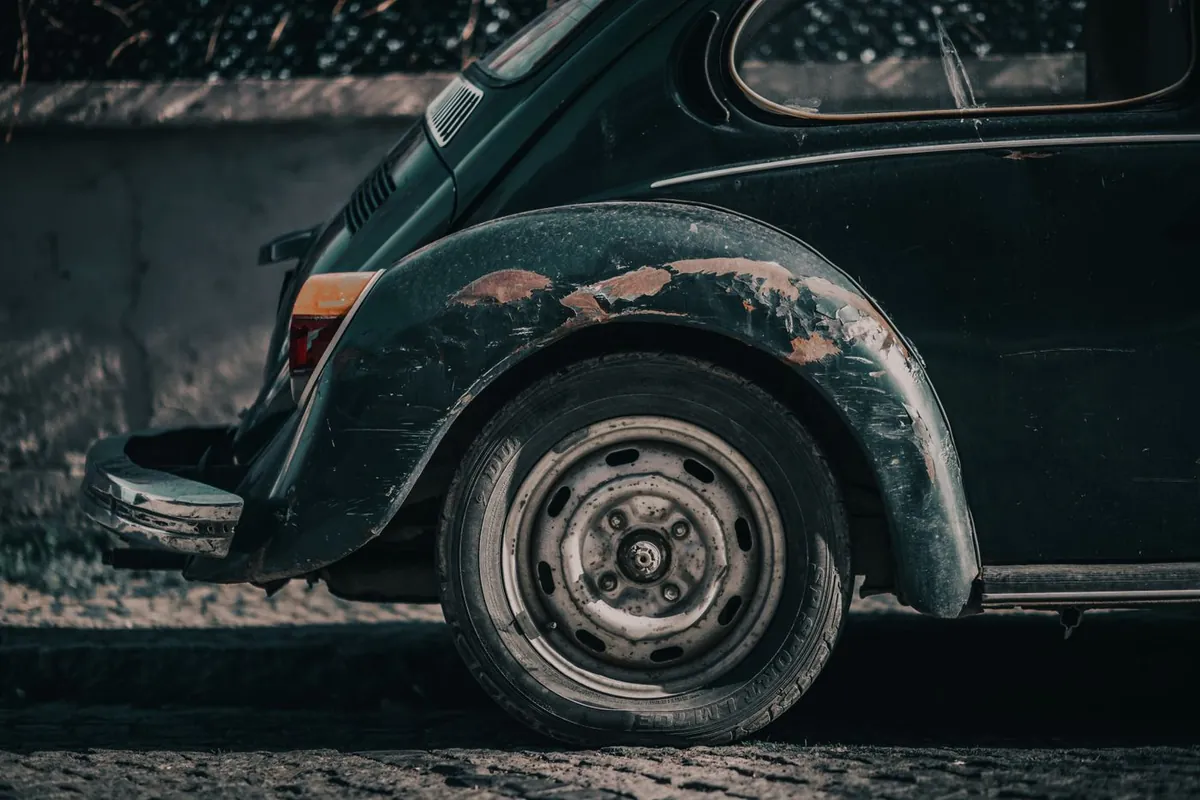
Can a dent or door ding be fixed without repainting?
Often, yes. If the paint on the dent is not cracked, chipped or stretched, and the metal can be reached from behind or pulled from the front, a technician can usually push the panel back to shape and leave the factory paint alone. This is called paintless dent repair. When it works, nothing is sanded, filled or sprayed, so there is no color to match.
It does not work on every dent. Paint that is broken, a crease that runs across a sharp body line, a dent at the very edge of a panel, or metal that has been stretched thin usually needs conventional repair: the metal is straightened, any low spots are filled and shaped, and the area is primed, painted and blended. That is still a normal, invisible repair when it is done carefully. It just takes more steps.
The quickest way to know which kind you have is to let a shop look at it in good light. A photo helps for a first opinion, but the angle of a crease and the condition of the paint are easier to judge in person.
How do I tell if my paint is still intact?
You can do a rough check yourself before you call anyone. Wash the area first, because dirt hides cracks.
- Look along the panel, not straight at it. Crouch and sight down the side of the car toward a light source. Cracks and lifted edges catch the light.
- Look for bare metal or primer. A white, gray or silver spot in the middle of the dent means the paint broke. Bare steel will start to rust, so do not leave it for long.
- Feel the edges gently. Paint that is fine feels smooth across the dent. A rough or flaking ring means the paint has let go.
- Check for spider lines. Fine cracks that spread out from the center are common on sharp hits and on older, sun-baked paint.
- Look at plastic parts separately. Bumper covers are plastic. They flex back from many bumps, but a deep crease or a white stress mark in the paint usually means repair and refinish.
If the paint looks whole, paintless repair is worth asking about. If it is broken, plan on a repair that includes paint.
Which dents usually suit paintless repair, and which need paint?
The table below compares common types of damage, what usually happens to each, and what to ask when you get the estimate.
| Type of damage | Likely repair | What to ask |
|---|---|---|
| Small round door ding, paint intact, middle of the door | Paintless repair is often possible | Can you reach the back of this panel without removing trim? |
| Shallow dent from a shopping cart or ball | Paintless repair, if the metal is not stretched | Will any trace remain when the light hits it? |
| Sharp crease across a body line | Often conventional repair with paint | Can the line be restored, or will it need filler and paint? |
| Dent at a panel edge or near a seam | Usually conventional repair | Is the edge double-layered metal here, and what does that change? |
| Ding with chipped or cracked paint | Straighten, prime, paint and blend | Which neighboring panels will be blended to match the color? |
| Dozens of small dents from hail | Often paintless, panel by panel | Is this a comprehensive claim, and will the estimate list every panel? |
| Dent with a door that no longer closes well | Body and possibly hinge or structure work | Is there damage behind the panel that the estimate should include? |
Read it row by row and find your situation. The lower down the table your damage sits, the more likely paint is part of the job, and the more it matters that the estimate shows blending and any hidden damage.
What does paintless dent repair involve?
Paintless repair is slow, careful metal work. The technician gets behind the panel, often by removing an inside trim panel, a tail light or an inner fender liner, and uses long tools to push the metal up from the inside in many small steps. A reflection board or light lets them see the dent's shape on the outside while they work. Where the back cannot be reached, a tab is glued to the outside and the dent is pulled out, then the glue is released.
What makes a dent easy or hard is not its size alone. Shallow, soft-edged dents in flat areas move back well. Sharp, deep dents, dents in thick or braced areas, and dents in aluminum panels are harder, because the metal behaves differently. A technician will tell you if a dent can only be improved rather than removed. Ask that question directly so you know what result to expect.
Because no paint is sprayed, paintless repair keeps the original finish. That matters to owners who want factory paint for resale and to anyone with a color that is difficult to match. Our guide to whether new paint will match the rest of the car explains why some colors are harder than others.
What happens when the dent needs paint?
Conventional repair follows a set order. Knowing it helps you read an estimate.
- Straighten the metal. The dent is worked out as close to the original shape as possible.
- Shape any low spots. A thin layer of body filler may be used to make the surface perfectly level, then sanded smooth.
- Prime and seal. Primer protects bare metal and gives the paint a surface to grip.
- Match and spray the color. The color is mixed and tested against your car, then sprayed with clear coat over it.
- Blend into the next panel. New color is faded into the panel next to it so there is no visible edge.
- Finish and inspect. The surface is polished to match the factory texture and checked in good light.
Spraying is regulated. A federal rule, 40 CFR 63.11173, requires shops that spray coatings on motor vehicles to use painters trained in spray application and equipment setup, to spray in a booth or enclosure fitted with filters shown to capture at least 98 percent of overspray, and to use approved spray guns such as high volume, low pressure guns. A clean, filtered booth also keeps dust out of wet paint, which matters on a small repair where any speck stands out. If your scratch is the bigger problem than the dent, see touch up or repaint for a deep scratch.
Should I put a small dent through insurance?
That depends on how the dent happened, what coverage you have and the size of the repair compared with your deductible. The Texas Department of Insurance (TDI) explains the basics:
- Collision coverage pays to repair your car after an accident, such as backing into a post.
- Comprehensive coverage covers damage that is not a collision, such as hail, vandalism, fire or flood.
- Deductibles apply to each claim on collision and comprehensive. They do not apply to a claim against another driver's insurance company.
- If someone else caused it, such as another driver who hit your parked car and left a note, the claim may go to their insurer instead.
TDI also says an insurer cannot charge you more for a claim it did not pay, or for a call asking about your policy or how claims work. So asking your agent a question does not cost you. For a parked-car hit, our guide on what to do when your car was hit while parked walks through the steps, and for many small dents at once, see hail damage repair and insurance.
Many owners get a free estimate first and decide afterward. If the repair is close to your deductible, paying yourself may make sense. If it is well above, a claim may. The decision is yours, and a shop should give you the estimate either way.
What should I avoid doing to a dent myself?
Store-bought suction cups, glue pullers and hair dryer tricks sometimes move a soft, shallow dent. They also cause problems that make the professional repair harder:
- Pulling too hard can raise a high spot around the dent, which then has to be knocked down as well.
- Heat on older paint can crack or lift the clear coat, turning a paintless repair into a paint job.
- Pushing from behind with the wrong tool can leave small sharp bumps that show in the light.
- Touch-up paint on a chip in the middle of a dent can get in the way if the dent is later worked out.
- Waiting too long on broken paint lets moisture reach bare steel. Rust under the paint spreads and adds work.
If you want to try anything, start gently and stop at the first sign of paint damage. Taking good photos before you start is also a good idea if a claim is possible.
How ACE Body & Frame helps
ACE Body & Frame has been on S. Peachtree Road in Balch Springs since 1987, serving drivers in Balch Springs, Mesquite and the surrounding area. Dents and dings are part of our everyday auto body and paint work, along with full collision repair, frame repair and glass replacement.
- A free computerized estimate. We look at the dent and the paint in good light and tell you whether we see a repair without paint or one that needs refinishing, and why. Request a free estimate and include a photo if you can.
- Your choice on insurance. We accept all insurance claims. If you file, we document the damage, write the estimate and work with the adjuster. You have the right to choose where your vehicle is repaired.
- Satisfaction guaranteed. Look the repair over in daylight when you pick the car up, and tell us if anything is not right.
What to bring: the vehicle, your insurance information if you plan to claim, and any note or details you have if someone else caused the damage. Call 972-286-0935, Monday to Friday, or send us your dent details online. You can read what customers say about our work before you come in.
Where can I read more before I decide?
If the dent came with a cracked or pushed-in bumper, our guide on whether a bumper cover should be repaired or replaced covers the sensors that sit behind it. If you are wondering how long you will be without the car, see what affects how long body repair takes. Every guide on this subject is collected on our paint, dents and hail page, and our body and paint repair service page lists all of our body and paint services.
Questions people ask next
Will a paintless repair leave any mark?
On a shallow, soft dent with sound paint, the goal is that you cannot find it afterward. On a deeper or sharper dent, a technician may only be able to improve it, and a faint trace can remain in certain light. Ask before the work starts whether the dent can be fully removed or only improved, so you know what to expect.
Can a dent in a plastic bumper be pushed out?
Plastic bumper covers often flex back from a light bump, and some dents can be warmed and reshaped. If the paint has a white stress mark, cracks or a tear, the cover usually needs repair and refinishing or a new cover. Sensors behind the bumper also need attention if the cover is removed, so ask about them.
Does a door ding hurt resale value?
A visible ding makes a car look less cared for, and buyers notice. A clean repair that keeps the factory paint is the best outcome for resale, because original paint is easy to show. If paint is needed, a careful color match and blend keeps the repair from standing out during a buyer's inspection.
Someone dented my car in a parking lot and left. What can I do?
Take photos and note the time and place. If you have comprehensive or collision coverage, call your insurer and ask which applies to your case, since the answer depends on your policy. Asking is free: TDI says an insurer cannot charge more for a call asking about your policy or the claims process.
How soon should I get a dent looked at?
If the paint is intact, there is no rush beyond your own patience, though it is easier to plan while you remember what happened. If the paint is cracked or you see bare metal, come in sooner, because moisture reaching the steel can start rust that spreads under the paint and adds work.
Ready to get it fixed?
ACE Body & Frame, 2922 S. Peachtree Road, Balch Springs. Free computerized estimates, all insurance claims accepted.
Sources
- 40 CFR 63.11173
- TDI, Automobile insurance guide (cb020)
- TDI, "What to know about deductibles"
- TDI, "Will my premium go up if I file a claim?"
Read next
 Paint, dents and hail
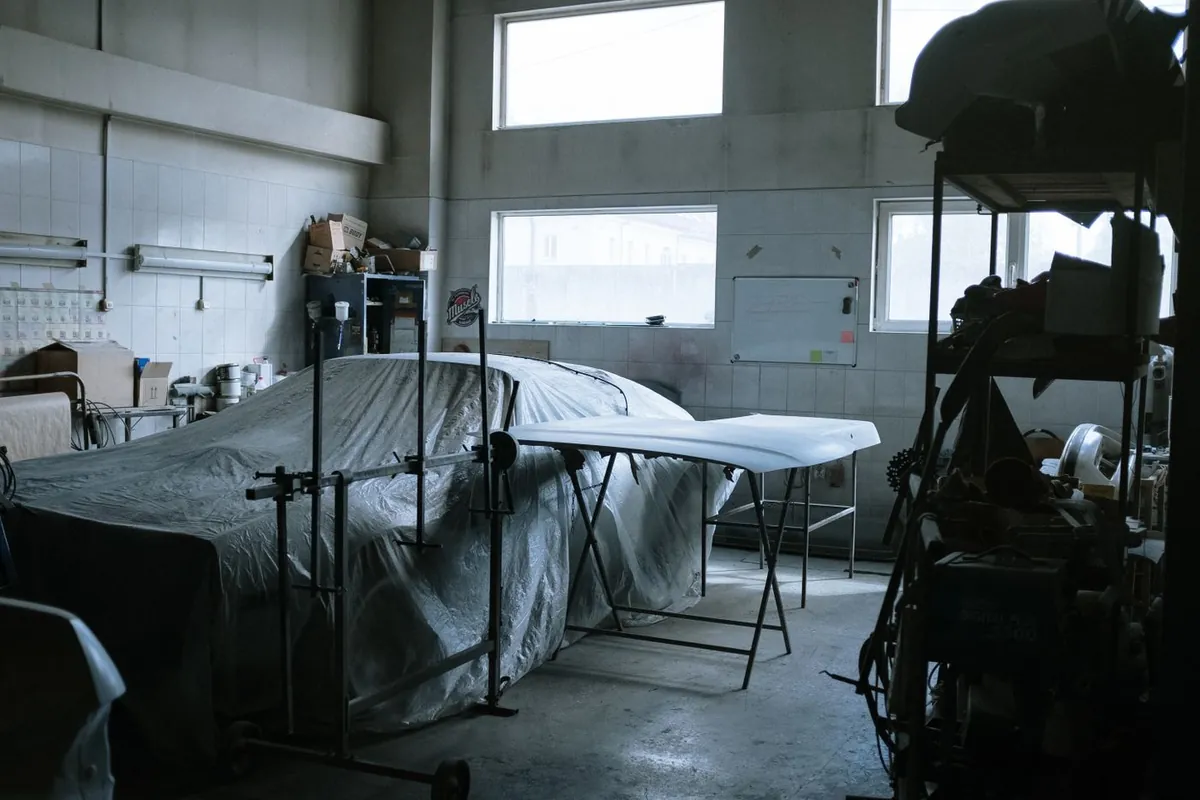
How long does body and paint repair usually take, and what slows it down?
Repair time depends less on the work itself than on approvals, hidden damage, parts, paint curing and calibration. See each step and how to keep it moving.
 Paint, dents and hail
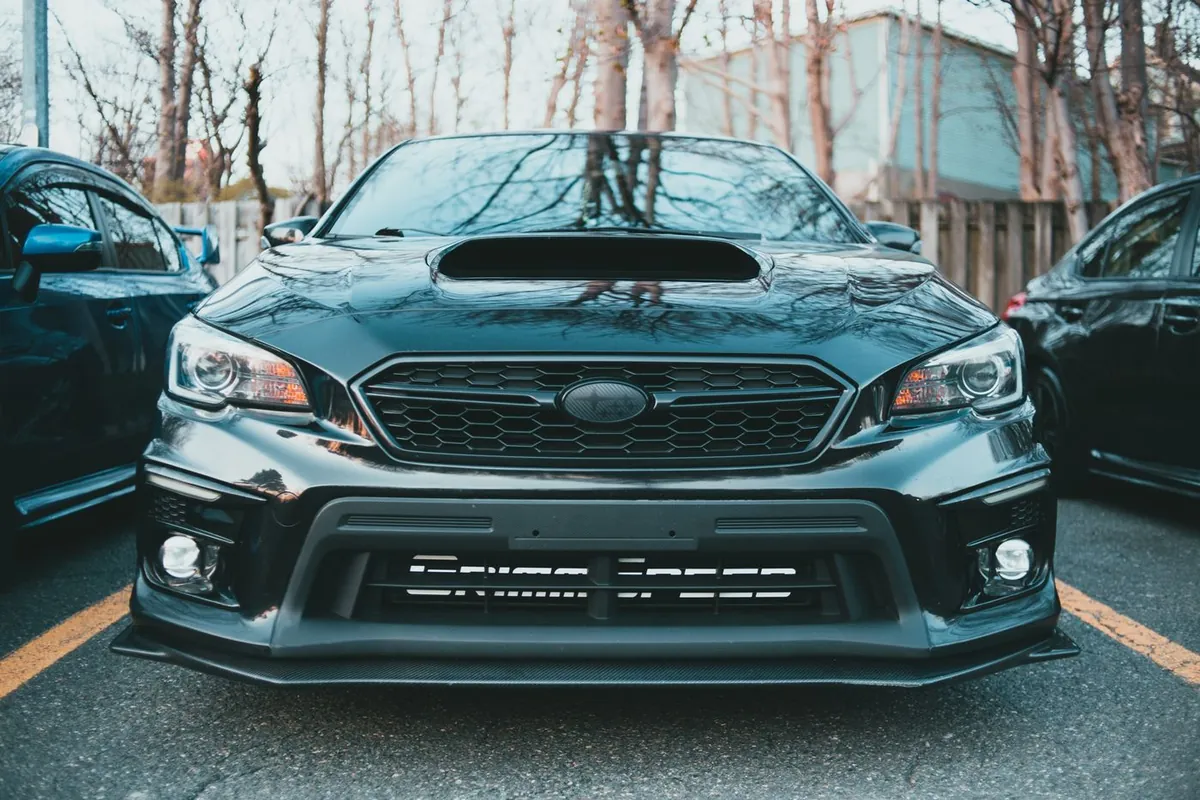
Cracked or sagging bumper cover: repair or replace, and what about the sensors behind it?
Small cracks and broken tabs can often be repaired; tears and missing pieces mean a new cover. Learn why the radar and sensors behind it matter too.
 Paint, dents and hail
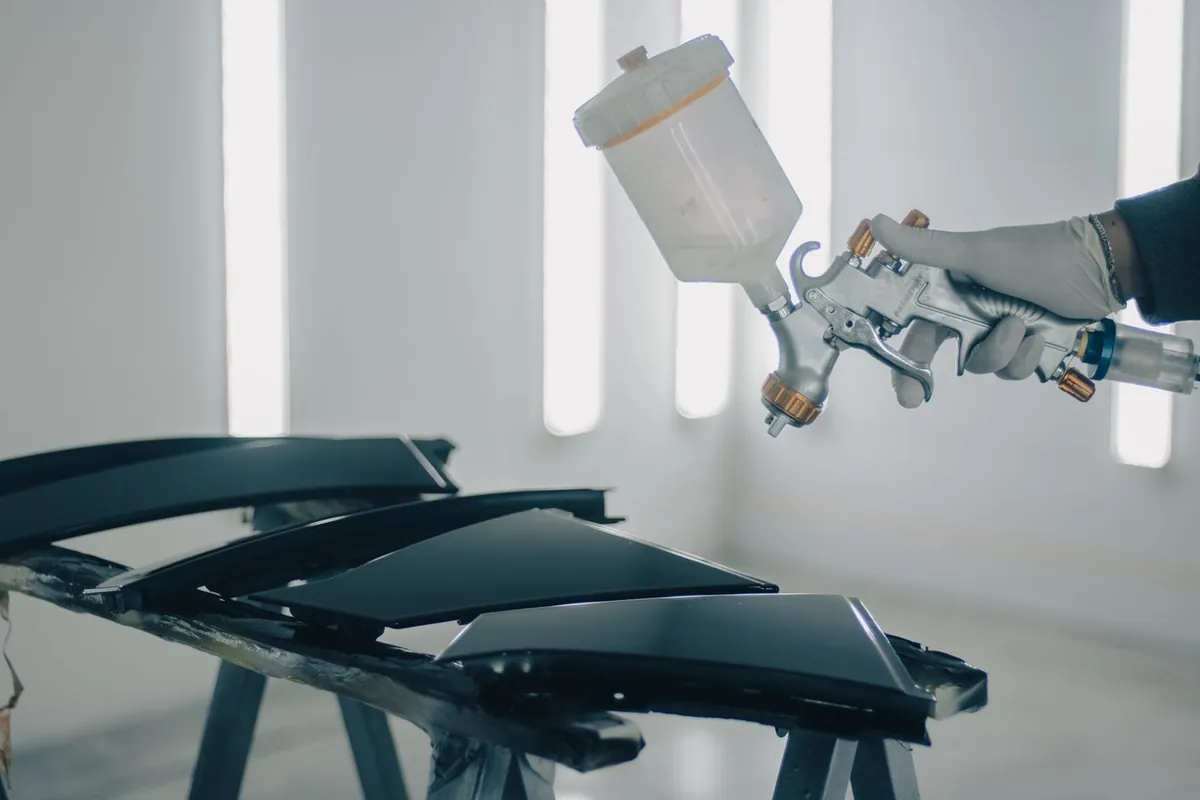
Will the new paint match the rest of my car after a repair?
New paint can match your car when the shop tests the color and blends it into the next panel. See which colors are hard and how to check the result.
More: all paint, dents and hail guides, collision repair, repair by make, reviews and directions to the shop.