
In short
A small dent and paint job with no claim and no parts is the quickest repair a shop does, while a collision repair takes much longer because of adjuster approval, hidden damage found at teardown, parts, paint curing, and the scanning and calibration makers require. Most of the extra time is waiting, and quick answers from the owner shorten it.
- Most repair time is waiting on approval, parts and paint cure.
- Hidden damage found at teardown usually means a supplement.
- Makers such as Honda, Ford and GM call for pre- and post-repair scans.
- Rain can stop an on-road calibration.
- Answering the shop and adjuster quickly saves the most time.
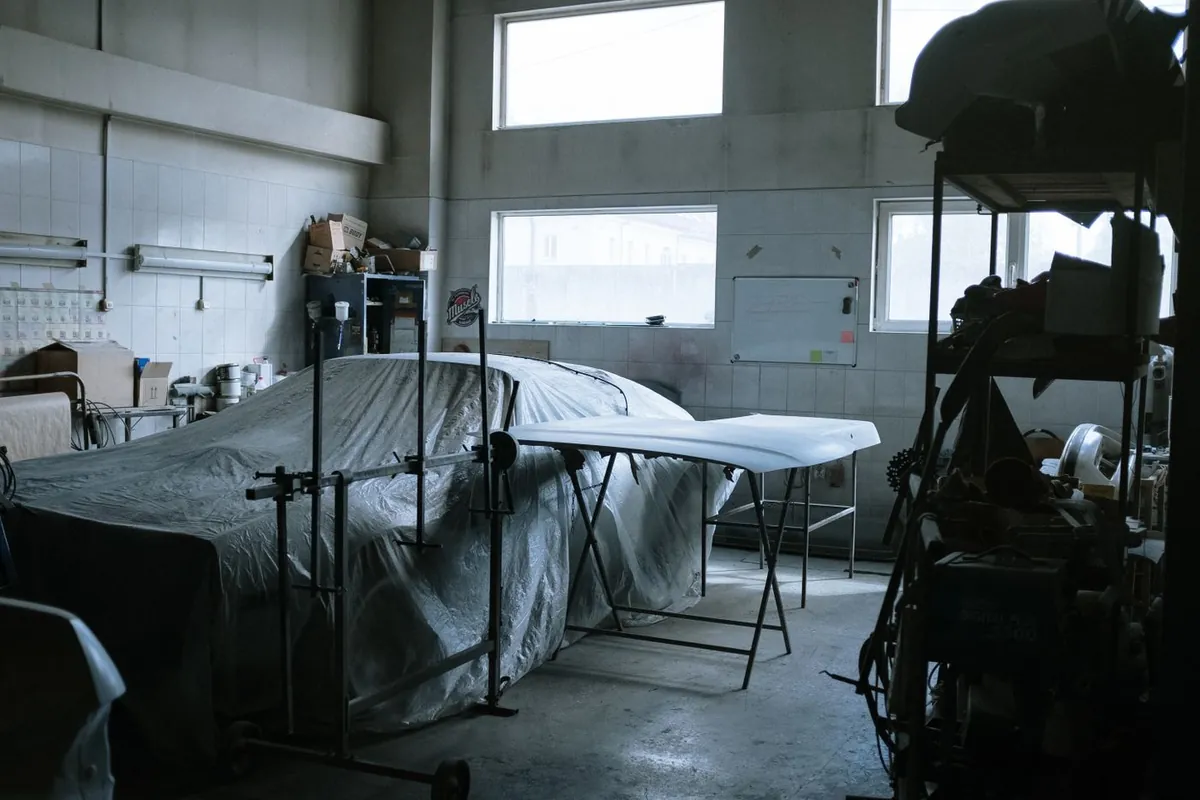
How long does body and paint repair usually take?
It depends far more on what has to happen around the repair than on the hands-on work itself. A single panel with a dent and paint, no parts, no claim and no sensors involved is the shortest job a shop does. A collision repair with ordered parts, an insurance adjuster, hidden damage found after teardown, structural work, and scanning and calibration afterward takes much longer, and most of that extra time is waiting: for approval, for parts, and for each layer of paint to cure.
That is why an honest shop will not give you a firm date from a photo. What it can do is tell you which of the steps below your repair involves, which ones are likely to cause a wait, and what you can do to keep things moving. The rest of this guide walks through those steps in order.
What steps does a collision repair go through?
Most repairs follow the same order. Knowing it helps you understand where your car is when you call for an update.
- Estimate. The damage is inspected and written up. On a claim, the insurer also sends an adjuster or asks for photos.
- Authorization. You approve the work, and on a claim the insurer reviews the estimate.
- Teardown and pre-repair scan. Damaged parts come off so hidden damage can be found, and the vehicle's computer systems are scanned for trouble codes.
- Supplement, if needed. Hidden damage goes back to the insurer as an updated estimate for approval.
- Parts. Parts are ordered, received and checked for fit and correct type.
- Structural and body work. Frame or unibody measuring and straightening, then panel repair or replacement.
- Paint. Prime, color, clear and blend, with drying or curing time between layers.
- Reassembly. Lights, trim, sensors and glass go back on.
- Post-repair scan and calibration. Systems are checked and any calibration the maker requires is done.
- Final check and cleanup. Gaps, color, function and a road test, then the car is ready.
A small cosmetic job skips several of these. A heavy hit uses all of them, sometimes more than once.
Structural damage is the step that most often turns a short repair into a long one. If a hit has moved the frame or the unibody, the vehicle has to be measured against the maker's dimensions and pulled back into place before any outer panel can be fitted, because a door or fender hung on a crooked structure will never line up. That work also tends to uncover more parts that need replacing, which sends the estimate back to the insurer. If you are not sure whether your car took a structural hit, our guide on signs of frame damage after an accident lists what to look for.
What usually slows a repair down?
This table lists the common causes of delay, why each one happens, and what you can do about it.
| What slows it | Why it happens | What you can do |
|---|---|---|
| Waiting for the adjuster | The insurer has to inspect or review photos before approving | Report the claim quickly and get the adjuster's name and number |
| Hidden damage found at teardown | Brackets, absorbers and structure behind panels cannot be seen until parts come off | Expect a supplement on most real collisions; approve your part promptly |
| Parts on back order | Some parts are not stocked locally, especially for newer or less common models | Ask early which parts are slow and whether you have a choice of parts |
| Structural work | Measuring and straightening must be done before panels fit | Ask what the frame or unibody measurements showed |
| Paint curing | Each coat needs time before the next step; more panels mean more time | Leave it; rushing paint shows later |
| Calibration | Some calibrations need targets and space; on-road ones can be stopped by rain | Ask early whether your car needs one and how it will be done |
| Owner approval or payment | Work stops until the owner signs off or the deductible is settled | Answer calls and messages quickly |
Read the right-hand column as your to-do list. Several of the biggest delays are in the owner's or insurer's hands, not the shop's, and a quick reply can save more time than anything that happens in the repair bay.
How do insurance steps affect how long it takes?
A claim adds steps a cash repair does not have. The Texas Department of Insurance (TDI) explains that the insurer provides a repair estimate, and if repairs cost more, the shop sends a new estimate to the insurer, which pays the extra amount if it agrees. Shops call that a supplement. On most real collisions there is at least one, because teardown finds damage that was hidden. Our guide on supplements on a repair estimate explains how they work.
TDI also says you should try to be present when the adjuster inspects the damage, and that you can ask the company to assign a different adjuster if you cannot resolve issues. On a claim under your own policy, the Texas Consumer Bill of Rights sets deadlines: within 15 days after you file, the company must acknowledge the claim, start its investigation and ask for what it needs; within 15 business days after it has everything, it must approve or deny in writing, which can be extended up to 45 days if it tells you why; and within 5 business days after approval, it must pay. TDI notes these prompt-payment deadlines do not apply when the other driver's insurer is paying, though that company must still try to settle quickly and fairly. See how long an insurer has to pay in Texas for details.
The claim is yours. A shop documents the damage, writes the estimate and works with the adjuster, but the approval comes from the insurer, and you can speed things up by staying in touch with both.
Why do scanning and calibration add time?
Modern cars have many computer modules and sensors, and makers now spell out checks that used to be skipped. A few examples:
- Honda and Acura say every vehicle in a collision must have a preliminary scan during the estimate and a post-repair scan, and that dashboard warning lights are not an acceptable way to decide whether scans are needed.
- Ford requires pre-repair and post-repair scans on its 1996 and newer vehicles in a collision, and notes that some faults need multiple drive cycles to appear.
- GM, according to I-CAR, requires a pre-scan during the estimate and a post-scan after repairs.
Calibration can add more. I-CAR describes static calibration, done in the shop with targets in a large clear area, and dynamic calibration, done while driving under specified conditions, which rain can slow or stop. These steps take time, but they confirm that braking, lane and parking systems work after the repair. Our guides on pre- and post-repair scanning and sensor recalibration explain more.
Do parts choices change the wait?
Sometimes. A part may be available sooner from one source than another, and makers have strong positions on which parts they support for structural and safety items. In Texas, the Consumer Bill of Rights says you have the right to choose the repair shop and parts for your vehicle, and that the insurer is not required to pay more than a reasonable amount. Ask early which parts are slow to arrive and what the alternatives would mean for fit, sensors and the maker's repair procedure. Our guide to OEM, aftermarket and used parts covers the trade-offs.
Can I get a rental car while I wait?
Often, depending on who is paying. TDI says that if another driver caused the accident, that driver's insurer typically pays for a rental car for the reasonable repair period. Your own insurer pays a set daily amount up to your policy's limits if you carry rental reimbursement coverage. If the car is declared a total loss, TDI says rental payments may stop a few days after the insurer tells you. Read rental cars during repairs in Texas before you book one.
What can I do to get my car back sooner?
- Report the claim right away and write down the claim number and adjuster's contact details.
- Bring everything at drop-off: keys, claim number, insurer's estimate if you have one, and your contact details.
- Answer quickly when the shop or adjuster calls about a supplement or a parts choice.
- Settle the deductible plan early. TDI says on your own policy the company subtracts your deductible, and you pay it to the shop.
- Ask for updates at the milestones above rather than daily, so the shop can tell you something new each time.
Business owners with a damaged work vehicle can read getting a wrecked work truck back on the road.
How ACE Body & Frame helps
Since 1987 ACE Body & Frame has repaired cars and trucks on S. Peachtree Road in Balch Springs for drivers from Balch Springs, Mesquite and the surrounding area. We offer body and paint work, frame and suspension repair, glass replacement and mechanical diagnostics.
- Free computerized estimates that show which steps your repair involves. Request a free estimate and tell us whether a claim is open.
- All insurance claims accepted. We document the damage, send supplements and work with the adjuster. You have the right to choose where your vehicle is repaired.
- Towing and rental car service available, and repairs are satisfaction guaranteed.
Call 972-286-0935, Monday to Friday, or send your repair details online. Read more on our collision repair page, browse the paint, dents and hail guides, or find directions to the shop. Our body and paint repair service covers everything from one panel to a full rebuild.
Questions people ask next
Why can't the shop give me an exact date at the estimate?
Before teardown nobody can see the damage behind the panels, and parts availability and insurer approval are outside the shop's control. A fair shop tells you which steps your repair involves and which are likely to cause a wait, then updates you after teardown, when the full list of parts and work is known.
Why has my car sat with no one working on it?
It is usually waiting on something: a supplement approval from the insurer, a back-ordered part, paint curing between coats, or an approval from you. Ask the shop which step the car is at and what it is waiting for. Knowing that lets you call the right person, often your adjuster.
Does paying cash instead of using insurance make the repair faster?
It removes the adjuster inspection and supplement approval steps, which can shorten the wait. Parts, structural work, paint curing and calibration take the same time either way. Whether to claim depends on the damage, your deductible and who caused it, so compare the estimate with your deductible before deciding.
What happens if more damage is found during the repair?
The shop documents it and sends an updated estimate to the insurer. TDI explains that if repairs cost more than the insurer's estimate, the shop sends a new estimate and the insurer pays the extra amount if it agrees. The repair on that part waits until approval, so prompt responses help.
Will my rental car run out before the repair is done?
It can. TDI says the at-fault driver's insurer typically pays for a rental for the reasonable repair period, while your own rental reimbursement coverage pays up to your policy's limits. Ask the insurer what limit applies, and tell the shop, so it can update the adjuster if parts or approvals cause a delay.
Ready to get it fixed?
ACE Body & Frame, 2922 S. Peachtree Road, Balch Springs. Free computerized estimates, all insurance claims accepted.
Sources
- TDI, "Were you in a wreck? Tips for auto insurance claims"
- TDI, "Working with an insurance adjuster"
- Consumer Bill of Rights, Personal Automobile Insurance (28 TAC 5.9970(b), 2026 Version)
- TDI, "Steps to getting your home or car insurance claim paid"
- TDI, Automobile insurance guide (cb020)
- American Honda position statement 28870 (2025) Version 6
- Ford Collision Repair Position Statement, "Pre- and Post-Diagnostic Scanning During a Collision Repair Required" (October 1, 2025)
- I-CAR RTS, "Typical Calibration Requirements For Forward Radar Sensors"
- I-CAR RTS, "General Motors Position Statement: Pre- and Post-Repair System Scanning"
Read next
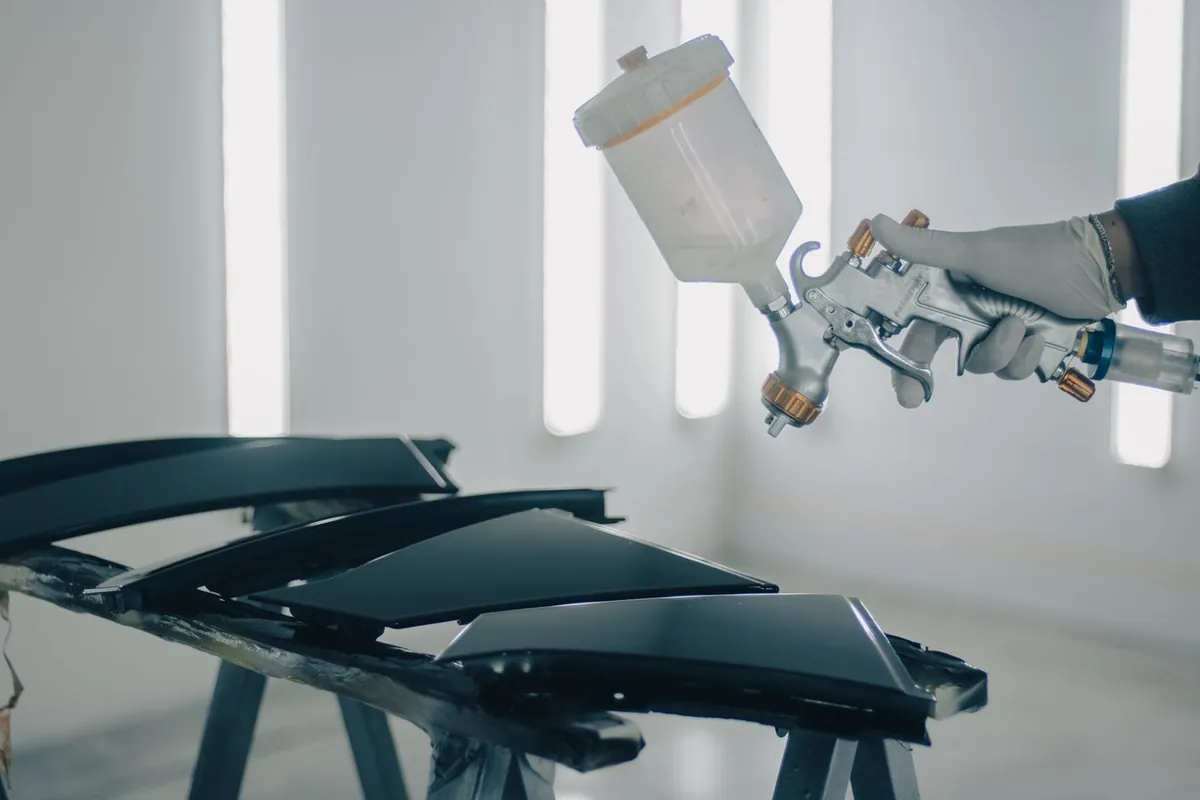 Paint, dents and hail
Will the new paint match the rest of my car after a repair?
New paint can match your car when the shop tests the color and blends it into the next panel. See which colors are hard and how to check the result.
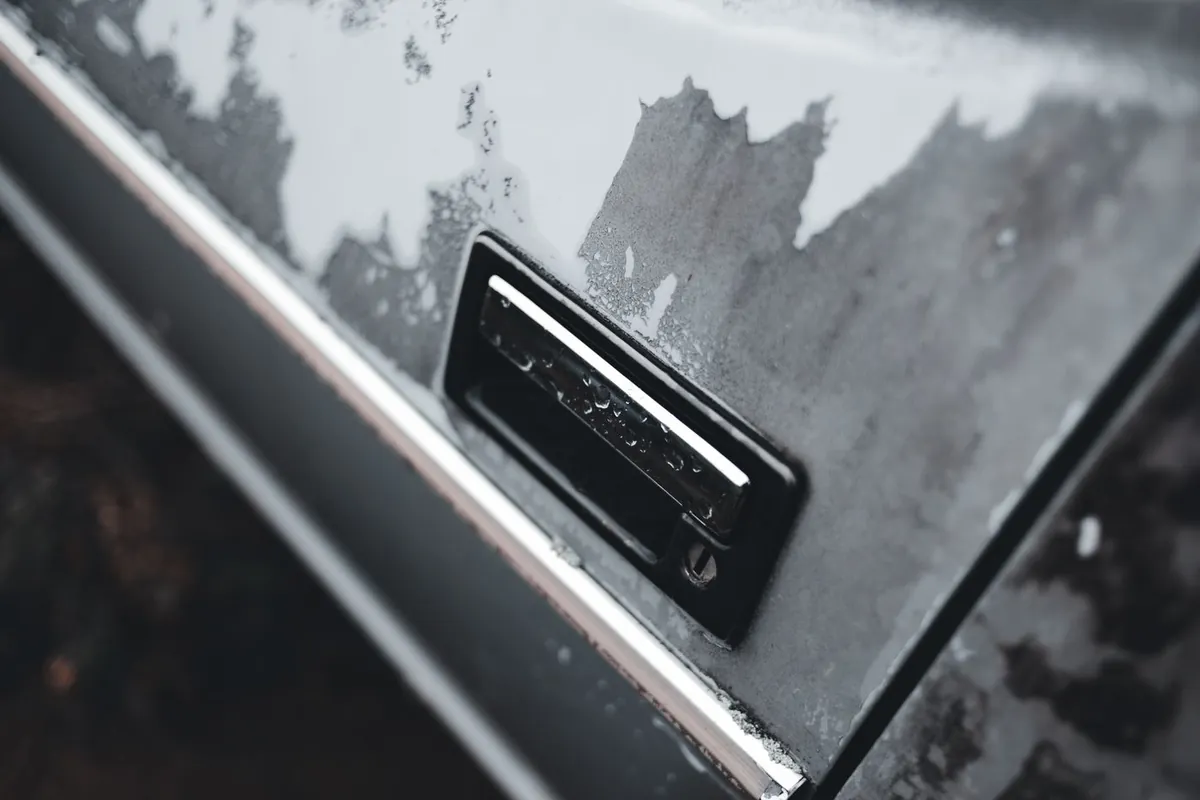 Paint, dents and hail
Clear coat peeling or faded paint in the Texas sun: what are my options?
Dull paint can often be polished; peeling clear coat needs the panel sanded to sound paint and refinished. Compare spot fixes, panels and a full repaint.
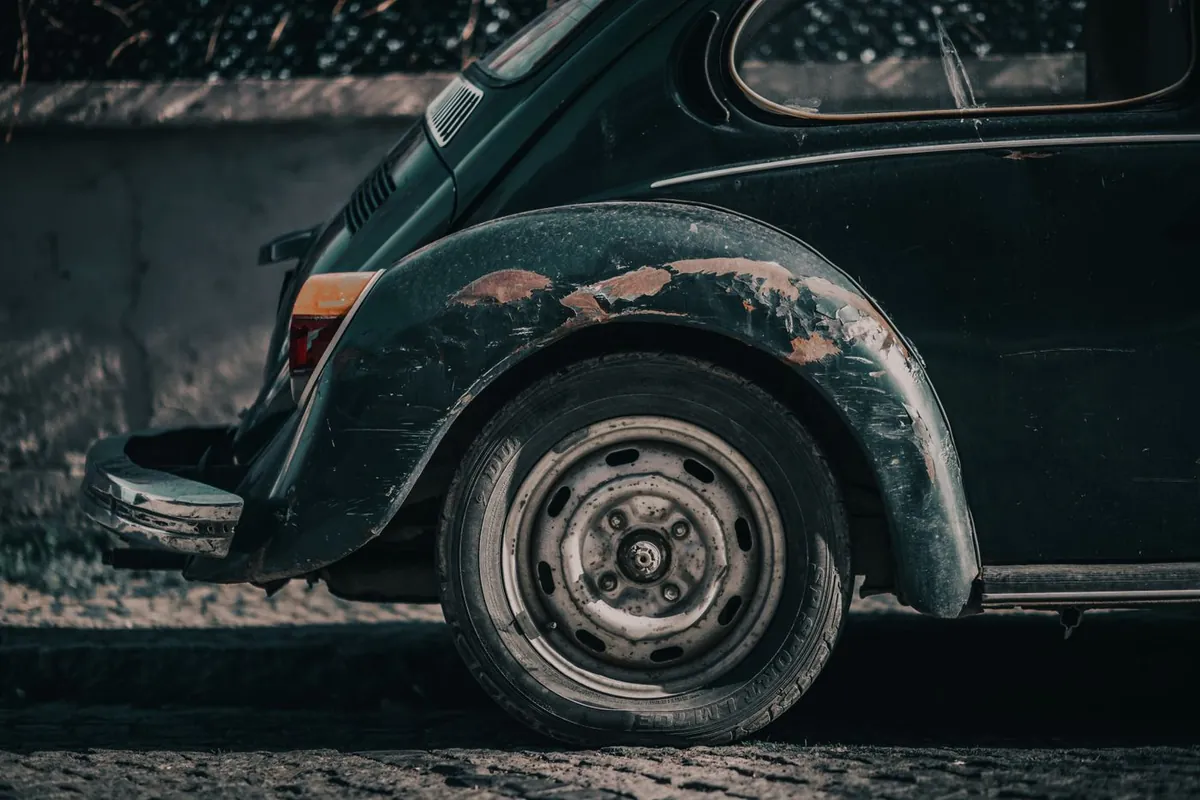 Paint, dents and hail
Dent or door ding near Balch Springs: can it be fixed without repainting?
Many dents with unbroken paint can be pushed out with no repainting. See which dents need paint, what the repair involves and when to use insurance.
More: all paint, dents and hail guides, collision repair, repair by make, reviews and directions to the shop.