
In short
Texas law does not require original (OEM) parts on an insurance repair; insurers must pay for parts of like kind and quality, which may be aftermarket or used. You still have the right to choose the shop and the parts. Structural parts, air bags, seat belts, wheels and sensor-related parts are where an original part matters most.
- Texas requires like kind and quality, not OEM parts, on insurance repairs.
- You choose the shop and parts; the insurer pays a reasonable amount.
- Several makers do not support non-original structural or restraint parts.
- Stellantis, for one, approves only new air bag systems and components.
- Ask for any price difference in writing before work starts.
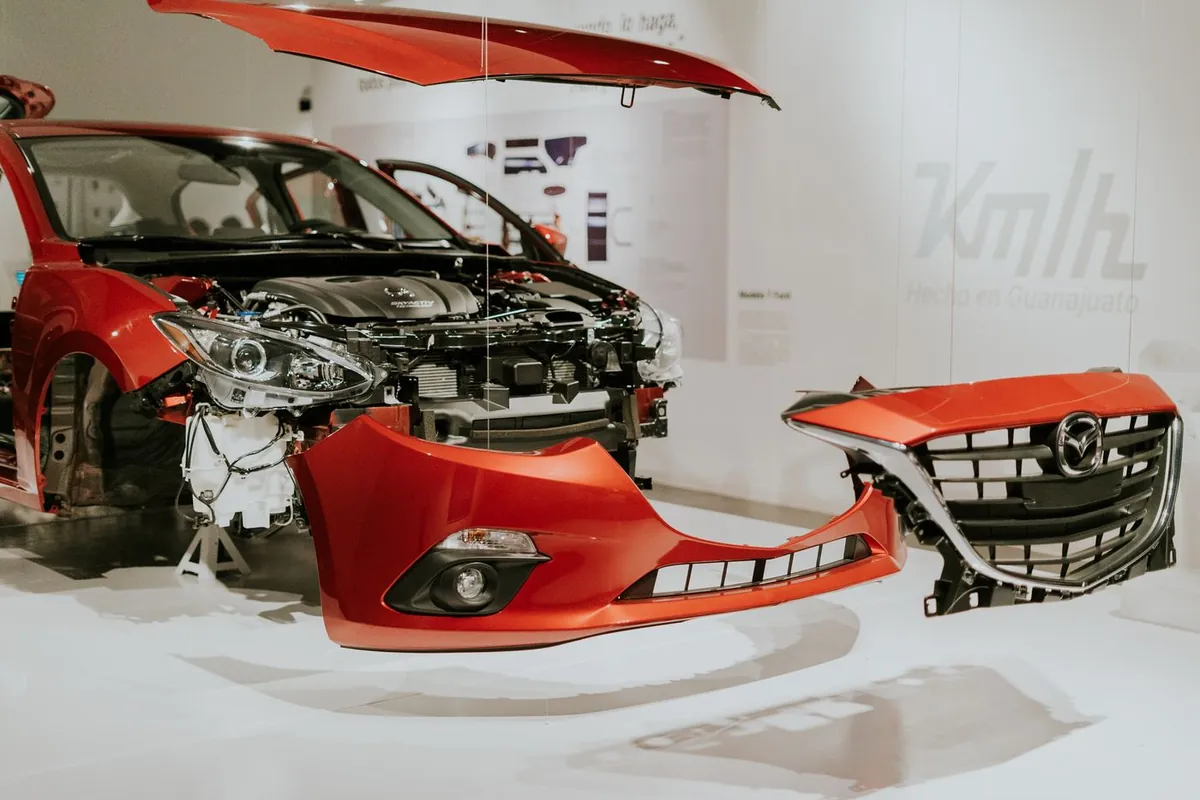
Which parts go on my car after a wreck in Texas?
It depends on three things: what your insurance policy pays for, what the vehicle maker says about the part, and what you ask for. Texas law does not require original manufacturer (OEM) parts on an insurance repair. The Texas Department of Insurance (TDI) says insurers must pay for parts of like kind and quality to the damaged parts, which are not necessarily original manufacturer parts. So an estimate may list a new OEM part, a new aftermarket part, or a used part pulled from another vehicle.
At the same time, you have rights over which shop does the work and which parts are used, and many vehicle makers take a firm position against non-original parts for structural pieces, air bags and other safety items. The useful approach is to sort the parts on your estimate by what they do, then decide where it matters most to you.
What is the difference between OEM, aftermarket and used parts?
These are the words you will see on an estimate, in plain English:
- OEM (original equipment manufacturer). A new part made for, and sold by, your vehicle's maker. It is the same part the car was built with.
- Aftermarket. A new part made by another company to fit your car. Quality and fit vary from one supplier to the next.
- Used, recycled or salvage. An original part taken from another vehicle, often one that was itself in a wreck. It was made by the maker, but its history is unknown.
- Reconditioned or remanufactured. A used part that has been repaired or rebuilt, such as a straightened wheel or a rebuilt bumper.
Each type has a place. A used door from a same-color car can be a sensible choice on an older vehicle. A new aftermarket bumper cover can look fine on a car with no sensors behind it. The concern comes when a part has a job in a crash, or holds a sensor that has to be aimed precisely.
What does Texas law say about parts on an insurance claim?
Texas gives the vehicle owner the choice, with a limit on what the insurer must pay.
- The insurer cannot dictate the parts. Texas Insurance Code 1952.301 says an insurer may not use an auto policy to limit coverage by specifying the brand, type, kind, age, vendor, supplier or condition of parts or products.
- Your rights document says the same. Right 5 of the Texas Consumer Bill of Rights for Personal Automobile Insurance (2026 version) says you have the right to choose the repair shop and parts for your vehicle, but the insurer is not required to pay more than a reasonable amount.
- The payment standard is like kind and quality. TDI's auto insurance guide says insurers must pay for parts of like kind and quality, which are not necessarily OEM parts.
Put together: you can ask for OEM parts, and you can choose who installs them. If your policy pays based on non-OEM parts and you want OEM anyway, you may be asked to pay the difference. Your policy wording decides, so read it and ask your adjuster whether your policy has any option for original parts.
What do the vehicle makers say?
Makers publish position statements for repair shops. They are not Texas law, but they tell you what the people who designed the car consider a correct repair.
- Honda and Acura say they do not support aftermarket, alternative, reverse-engineered or anything other than original Honda or Acura parts for collision repair, and do not support re-using structural parts salvaged from a previously damaged vehicle.
- GM (Chevrolet, Buick, GMC, Cadillac), according to I-CAR's summary of its 2026 statement, strictly prohibits non-GM approved salvage, recycled or used parts and non-genuine aftermarket parts, because GM does not design, engineer, test or validate them.
- Ford says Ford-approved original parts should be used for structural repairs, and that recycled, salvaged, aftermarket or reconditioned parts have not been validated by Ford for structural repairs.
- Stellantis (Ram, Jeep, Dodge, Chrysler) says it does not approve salvage or recycled parts for collision repairs, only approves new air bag systems and components, and does not support salvaged restraint, seat belt or occupant protection parts.
Notice the words. Some makers say "does not support", some "should", some "prohibits". A recommendation from a maker is not a legal requirement, but it is strong evidence of what a proper repair looks like. Ask the shop what your maker says about each part on your estimate. Our repair by make pages and make guides cover individual brands.
Which parts are worth insisting on?
This table sorts common parts by the job they do and how much the part type matters.
| Part | Its job | How much part type matters | What to ask |
|---|---|---|---|
| Frame rails, pillars, rocker panels, reinforcements | Carry crash energy and protect the cabin | Most. Several makers do not support non-original or salvaged structural parts. | Is this a structural part, and what does the maker say about it? |
| Air bags, seat belts, crash sensors | Restraint system | Most. Stellantis approves only new air bag systems and components. | Is every restraint part new and from the maker? |
| Windshield and camera bracket | Structure and sensor aiming | High on cars with a forward camera | Does the maker require its own glass for the camera? |
| Wheels | Carry the car's weight | High. A wheel carries the whole load at each corner. | Is the wheel new, and does my maker allow a repaired one? |
| Bumper cover with sensors behind it | Appearance, and the path a radar sees through | Medium to high | What does the maker's repair information allow here? |
| Fender, hood, door shell, mirror cover | Appearance and fit | Lower, if fit and finish are right | How does this part fit and line up with its neighbors? |
Read it from the top down. The higher a part sits, the stronger the case for a new original part, and the more you should expect the shop to show you the maker's position. The lower rows are where a good used or aftermarket part can do the job without any safety cost.
Why are used air bags a special concern?
Air bags are the one part where history matters most. In 2012 the National Highway Traffic Safety Administration issued a consumer advisory about counterfeit air bags. Its testing showed consistent malfunctions, ranging from failure to deploy to the expulsion of metal shrapnel during deployment. The advisory said the counterfeits looked nearly identical to original parts, down to the maker's badge, and told consumers who replace an air bag to make sure original equipment parts are used.
That warning is from 2012, but the lesson has not changed. If your air bags deployed, ask the shop where every restraint part is coming from, and keep the invoice that shows it. A used air bag comes with no record of where it has been or how it was stored, and you cannot check it by looking.
How do I handle parts on my estimate, step by step?
- Read the parts column. Estimates usually mark each part as OEM, aftermarket (sometimes "A/M" or "alternate"), used or reconditioned.
- Find the structural and safety items. Ask the shop to point them out. These are the ones to raise first.
- Ask what your maker says. A shop can show you the maker's position statement or repair information.
- Check your policy. Look for language on parts and on any original-parts option, and ask your adjuster how your claim is written.
- Decide where to spend. If you want OEM where the policy pays for something else, ask the shop for the price difference in writing before work starts.
- Check fit at pickup. Look at panel gaps, how doors and the hood close, and whether lights and sensors work.
If a part turns out to be unusable once the car is apart, the shop sends the insurer an added request. Our guide on supplements on a repair estimate explains that. If the insurer and the shop are far apart on the whole job, see what to do when the insurance estimate is lower.
Parts also tie into the electronics. A replaced bumper, grille or windshield often means a sensor has to be checked or calibrated, which our guide to ADAS recalibration after body repair covers. For the paint side of a new panel, see whether the new paint will match.
How ACE Body & Frame helps
ACE Body & Frame has worked on S. Peachtree Road in Balch Springs since 1987, serving Balch Springs, Mesquite and the surrounding area, on foreign and domestic vehicles. Our collision repair work includes body and paint, suspension and frame repair, glass replacement and welding, so the parts question comes up on every job we estimate.
We write free computerized estimates and accept all insurance claims. You have the right to choose where your vehicle is repaired, and in Texas you also have a say in the parts. Ask us to walk you through the parts list line by line: which parts are structural, what your maker says about each, and what a change would mean for the bill. We document the damage and work with your adjuster; the claim and the choices stay yours. Repairs are satisfaction guaranteed.
To start, request a free estimate or call 972-286-0935, Monday to Friday. You can bring the insurer's estimate with you, look at examples of our work, or read more about how we handle collision repairs. If you already have an estimate in hand, send it to us with photos and we will tell you what we see.
Questions people ask next
Can my insurer make me use aftermarket parts?
No. Texas Insurance Code 1952.301 bars an insurer from limiting coverage by specifying the brand, type or condition of parts. But the insurer only has to pay a reasonable amount for parts of like kind and quality. If you want OEM parts and the policy pays based on something else, you may owe the difference. Read your policy and ask your adjuster.
Are used parts always a bad idea?
No. A used original door, mirror or trim piece in good condition can be a sound choice, especially on an older car. Several makers object to used parts mainly for structural pieces and restraint systems such as air bags and seat belts. Ask the shop where each used part is going on the car and what your maker says about it.
How do I tell what kind of part is on my estimate?
Most estimates mark each line. OEM means a new part from the maker. Words like aftermarket, A/M, alternate or quality replacement usually mean a new part from another company. Used, recycled, LKQ or salvage mean a part from another vehicle. Reconditioned means a repaired part. Ask the shop to explain any code you do not recognize.
Does the parts choice affect my car's safety features?
It can. Cameras and radar are aimed through or behind glass, bumper covers and brackets. Some makers publish positions on which windshield glass a forward camera needs. When parts in front of a sensor change, ask whether the maker requires a calibration afterward and get a record of it.
What if I already approved aftermarket parts and the fit is poor?
Tell the shop before you take the car. Look at panel gaps, how the hood and doors close, and whether the lines match the other side of the car. A shop can return a part that does not fit and order another. If an original part is the only one that fits, the shop documents that and sends it to the insurer.
Ready to get it fixed?
ACE Body & Frame, 2922 S. Peachtree Road, Balch Springs. Free computerized estimates, all insurance claims accepted.
Sources
- TDI, Automobile insurance guide (cb020)
- Tex. Ins. Code 1952.301
- Consumer Bill of Rights, Personal Automobile Insurance (28 TAC 5.9970(b), 2026 Version)
- American Honda position statement, "Replacement of Structural Parts on Honda and Acura Vehicles"
- I-CAR RTS, "General Motors Updates Position Statements: UPDATE"
- Ford Collision Position Statement, "Structural Repairs" (October 1, 2025)
- FCA US LLC Position Statement, "Use of Salvage/Recycled Parts" (December 1, 2025)
- U.S. Immigration and Customs Enforcement news release, "NHTSA, ICE alert consumers to dangers of counterfeit air bags"
Read next
 Repair by make
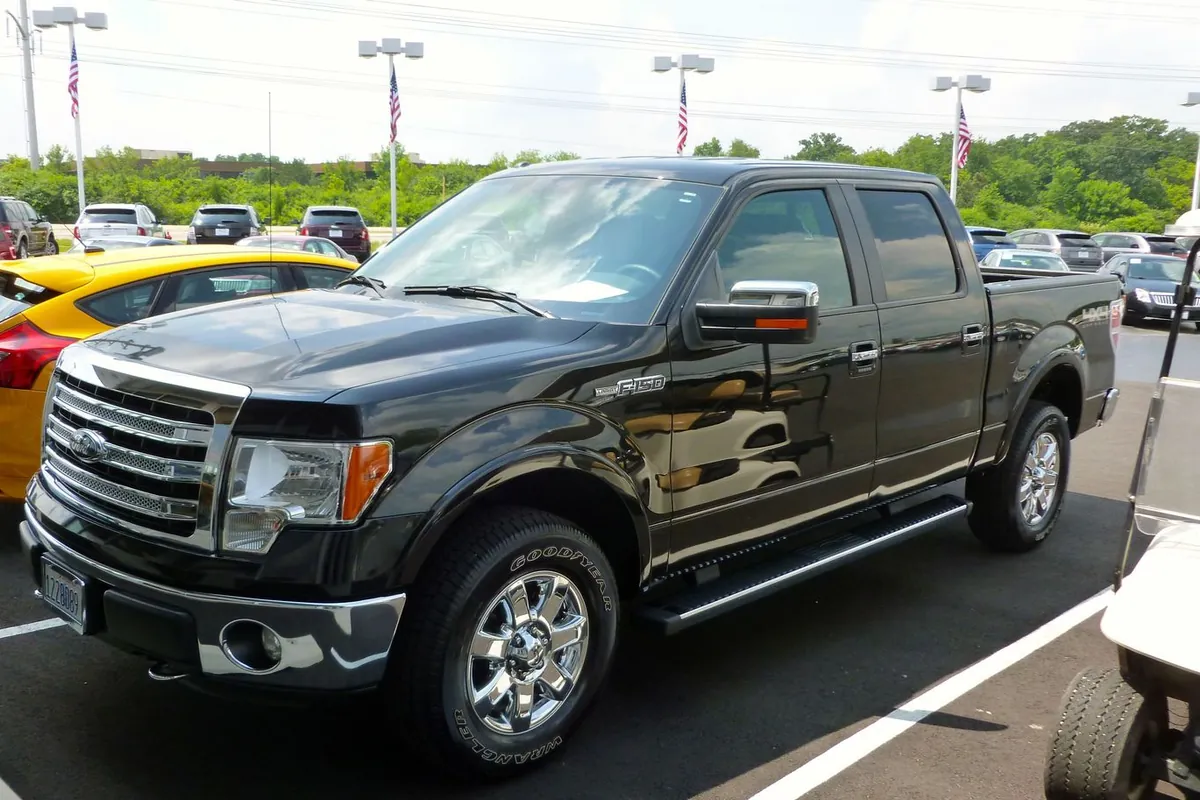
Where can I get a Ford F-150 body or bed repaired near Mesquite, TX?
F-150 bed, tailgate or body damage near Mesquite? What Ford says about aluminum, scans and parts, what to ask a shop, and what to bring to the estimate.
 Repair by make
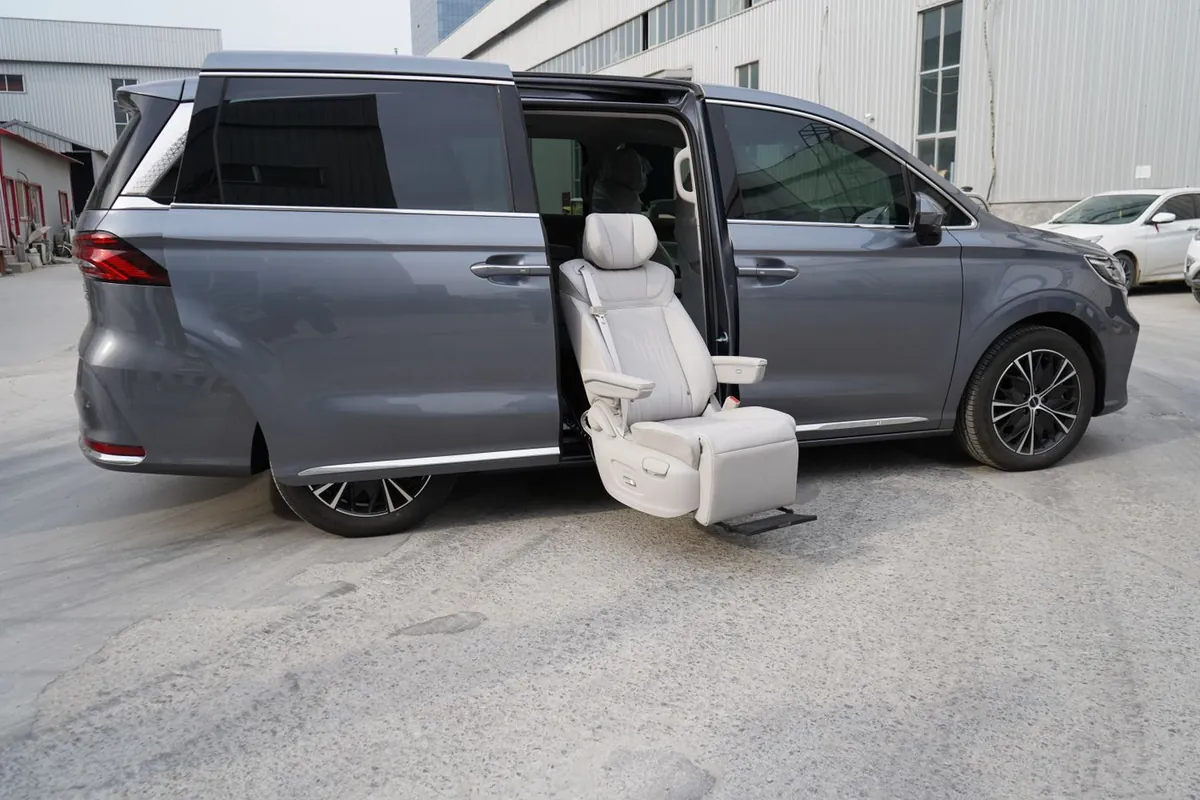
Who repairs minivans and third-row SUVs after a rear-end hit near Mesquite?
A rear-end hit on a minivan or third-row SUV can reach the liftgate, floor, sensors and seat belts. See what to check and what to ask before repairs.
 Repair by make
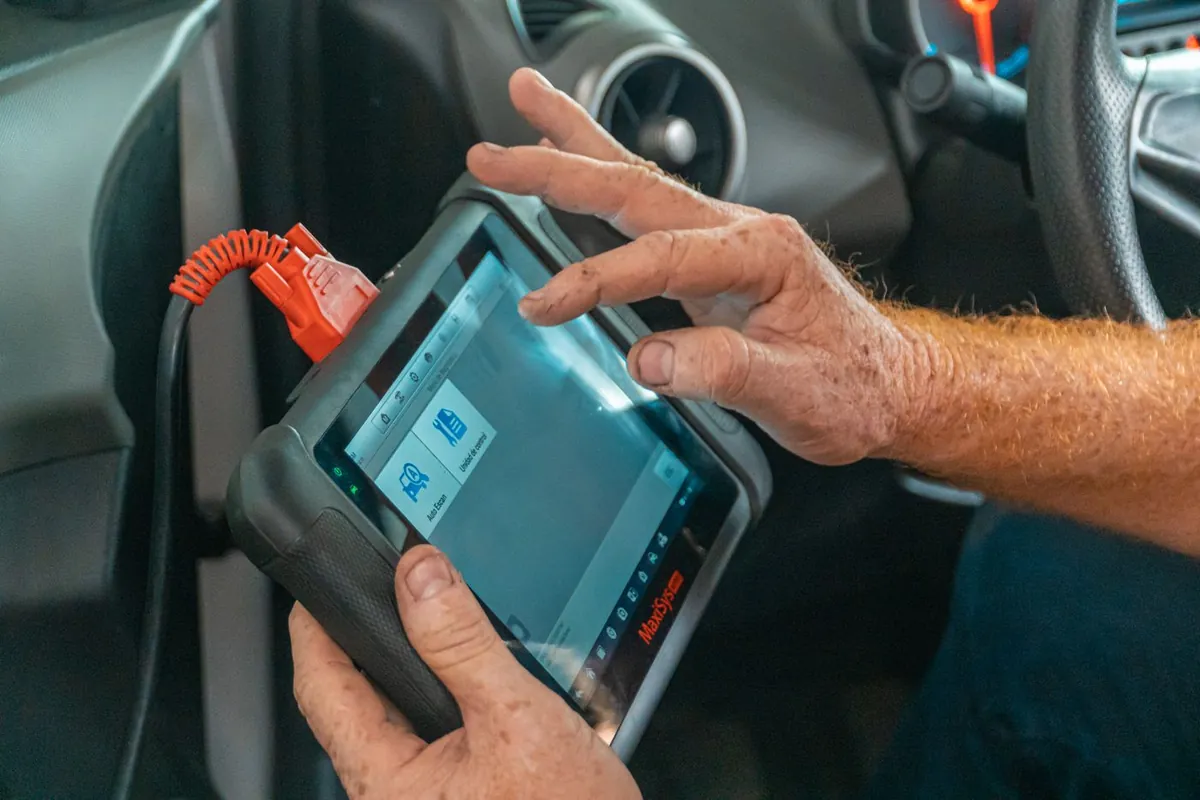
Should a body shop scan my car before and after the repair?
Most makers call for a diagnostic scan before and after collision repair, warning light or not. See what scans find and what to ask your body shop.
More: all repair by make guides, collision repair, repair by make, reviews and directions to the shop.