
In short
Often, yes. Vehicle makers call for calibration when a camera or radar is removed, replaced or reinstalled, and often after a windshield replacement, front structural repair or wheel alignment. The maker's repair information for your exact model decides, not whether a warning light is on.
- A disturbed sensor can need calibration even if it was never damaged.
- Windshield, bumper, grille, structural and alignment work are the usual triggers.
- No warning light does not mean the camera or radar is aimed correctly.
- Alignment comes before calibration, because sensors aim along the car's path.
- Ask who calibrates, where, and for the printed records.
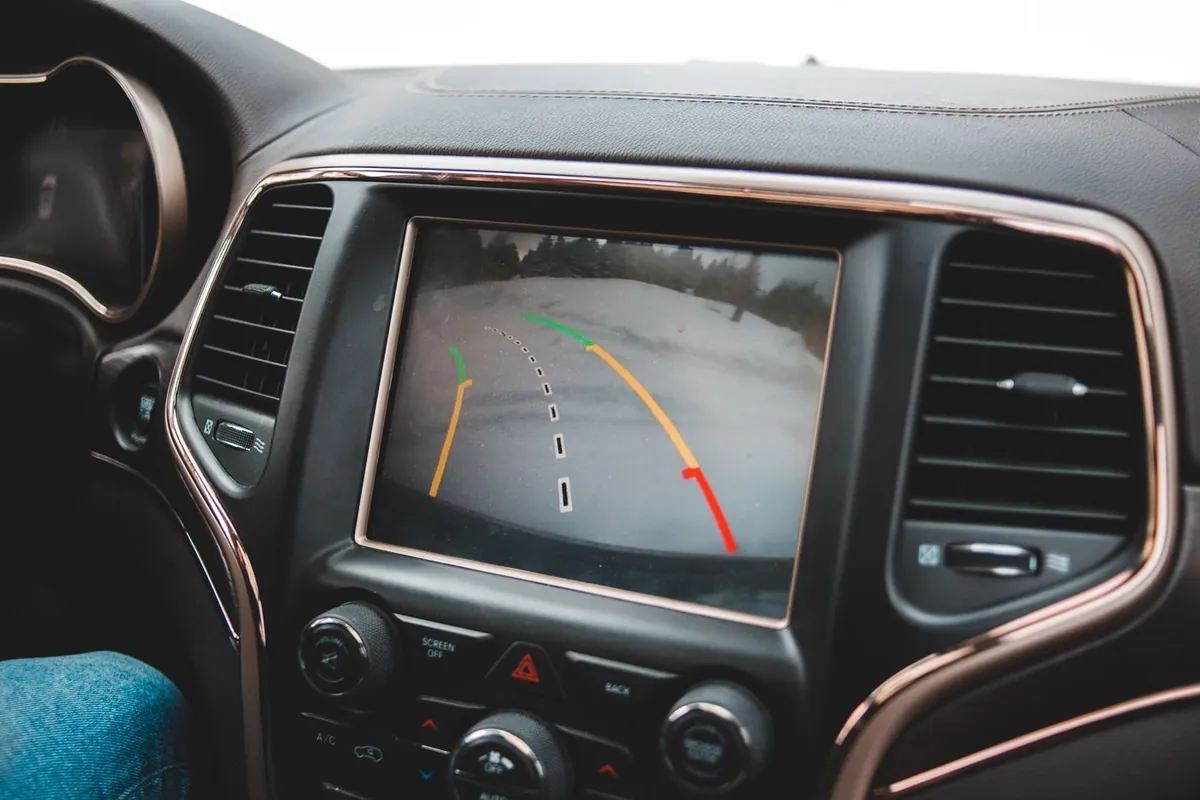
Does my car need its cameras and sensors recalibrated after body repair?
Often, yes. If the repair removed, replaced or moved a camera, a radar unit or the part it is mounted to, the vehicle maker's repair information usually calls for a calibration before the car goes back to you. The same can apply when the windshield is replaced, when the front structure is repaired, or when the wheels are aligned.
The Insurance Institute for Highway Safety (IIHS) puts it simply: automakers stipulate that these systems be calibrated any time a sensor is removed and replaced or reinstalled. So the real question is not "was the sensor damaged?" but "was it disturbed, and what does the maker say to do next?" The answer for your car comes from the maker's procedure for your exact year and model. It does not come from whether a warning light is on.
What are these safety systems, and where do the sensors sit?
The trade name is ADAS, short for advanced driver assistance systems. IIHS describes them as technologies that monitor what the driver does and what is around the vehicle, warn of a possible crash, and may brake or steer if the driver does not act. In practice your car may have several of these:
- Front crash prevention. IIHS says these systems use cameras, radar or lidar to detect when you are too close to the vehicle ahead.
- Lane departure systems. They use cameras to track where the car sits in its lane.
- Blind spot detection. It uses sensors on the side of the vehicle.
- Rear systems. They use cameras, radar or ultrasonic sensors.
Where the hardware lives explains why body work touches it. I-CAR, the collision industry's training organization, notes that forward radar sensors sit in or behind the front bumper or grille. Honda describes its forward camera as mounted behind the rearview mirror, looking through the windshield. These are the same places that get hit, removed and repainted in an ordinary repair. Our collision repair page describes the body work itself. This guide is about what has to happen to the electronics around it.
Which repairs usually lead to a calibration?
The table below shows common body shop jobs, the sensor each one can disturb, what published repair guidance says, and the question to put to the shop.
| Repair | Sensor affected | What the guidance says | What to ask |
|---|---|---|---|
| Windshield replaced, or removed and put back | Forward camera | GM, Mopar, Subaru and Toyota each state the camera must be calibrated after the windshield is replaced. I-CAR says removing the windshield, the mirror or the camera may require aiming. | Is the camera calibration on the estimate, and what glass is being used? |
| Front bumper or grille removed | Forward radar | I-CAR: calibration is normally required after the sensor is replaced and may be needed after the bumper or grille is removed. | What does the maker's procedure say for my model? |
| Front structural repair | Forward radar, steering angle sensor | I-CAR lists front structural repairs among the reasons a radar may need calibration, and structural repairs among the reasons a steering angle sensor may. | Which calibrations follow the structural work? |
| Wheel alignment | Cameras, radar, steering angle sensor | I-CAR: numerous makers require calibration whenever an alignment is performed. | Does my maker tie calibration to the alignment? |
| Air bag deployment | Steering angle sensor | I-CAR: calibration of the steering angle sensor may be needed after a deployment. | What does the maker list for after a deployment? |
| Rear bumper, mirror or quarter panel work | Blind spot and rear sensors | Varies by maker. The repair information for the model decides. | Were any rear or side sensors removed, and what follows? |
Read the table as a list of prompts, not as a ruling on your car. Words like "may" are there on purpose: each maker sets its own conditions, and the shop has to look them up for your vehicle. A related question, whether a bumper cover in front of a radar can be repaired and refinished at all, is also decided by the maker's repair information. Our guide to repairing or replacing a bumper cover goes into that.
Why is a clear dashboard not enough?
Because these systems can be out of aim without knowing it. American Honda's position statement says camera and radar based driver support systems often will not display trouble codes during a scan unless the system itself is damaged. The same statement says the presence or absence of dashboard warning lights is not an acceptable way to decide whether post-collision scans are needed. A radar that points slightly off after a bumper job can look perfectly healthy to the car's own self-check.
The results show up later, on the road. An IIHS survey reported in February 2023 found that among owners who had a crash avoidance feature repaired, about half reported problems afterward. The share was about two-thirds when the repair involved a windshield replacement, and nearly three-quarters when it followed crash damage. That is the case for doing the electronic side of the repair by the book and for testing it before the car is returned.
Scanning and calibration are two different steps. A scan reads stored fault codes. A calibration teaches a camera or radar where straight ahead is. Our guide on scanning a car before and after the repair covers the first step.
What is the difference between static and dynamic calibration?
I-CAR describes two basic methods, and some vehicles need both.
- Static calibration is done in the shop. For a forward radar, I-CAR describes a scan tool and targets placed at specified positions in a large area free of metal objects.
- Dynamic calibration is done on the road. A scan tool is connected while the vehicle is driven under conditions the maker specifies. I-CAR notes that rain or snow can slow or stop it.
IIHS adds that calibration can require large spaces, specialized training and expensive equipment. That is why the work is handled in different ways across the industry. Some body shops calibrate in their own building. Many send the vehicle to a dealer or a calibration specialist for that step and bring it back to finish. Either route can be right. What matters is that the maker's procedure is followed and that you get a record of it. Ask any shop, including us, how it will be done on your vehicle.
Why does a wheel alignment matter to a camera?
A camera or radar is aimed relative to the direction the car actually travels. If the wheels point somewhere else, the sensor is aimed at the wrong piece of road. I-CAR says a great majority of collisions can cause suspension damage, which means a wheel alignment will be necessary, and that vehicles with driver assistance need to be aligned with how the vehicle travels. It also reports that numerous makers require calibration whenever an alignment is performed, that some want the vehicle on an alignment rack during calibration, and that others make the alignment a step in the calibration procedure.
The steering angle sensor belongs to the same chain. I-CAR says it may need calibration after an air bag deployment, structural repairs or an alignment, normally with a scan tool and the wheels pointed straight ahead.
The order of work follows from that: structure first, then suspension and alignment, then calibration. If your car drifts after a hit, read why a car pulls to one side after a wreck or a curb hit. Our frame and suspension repair page explains the structural side.
Who pays for calibration on an insurance claim?
When a calibration is needed because of the collision repair, it belongs on the estimate like any other operation. Sometimes it is not on the first estimate, because the need only becomes clear once parts are off the car. In that case the shop documents why the maker's procedure calls for it and sends the added line to the insurer. That added request is called a supplement, and our guide to supplements on a repair estimate explains who pays it.
What your policy covers is between you and your insurer, so ask your adjuster how calibration is handled on your claim. The claim is yours. The shop's part is to document the damage, write the estimate and work with the adjuster. You also pick the shop: see choosing your own body shop on a Texas insurance claim.
Glass deserves its own mention. Several makers say the type of windshield matters to the camera, and their positions differ. If glass is part of your repair, read our guide to auto glass after a wreck before you approve the part.
What should I ask the shop, and what should I bring?
These questions work at any body shop, for any make.
- Which driver assistance features does my car have? The shop can read this from the VIN and the build data. Do not guess from the trim badge.
- Which parts will be removed or replaced? Bumper covers, grilles, mirrors, glass and trim all matter.
- What does the maker's repair information require afterward? Ask to see the page.
- Who performs the calibration, and where? In the building, at a dealer or at a specialist.
- Will the car be aligned first if the suspension or structure was involved?
- What records will I receive? Ask for the scan reports, the calibration record and the alignment printout.
Bring what helps the estimator work faster:
- The claim number and your adjuster's name and phone number, if there is a claim.
- The insurer's estimate, if one has been written.
- Your registration, so the VIN is at hand.
- A note of every warning message or odd behavior since the hit: a cruise control that will not set, a lane warning that sounds on a straight road, a backup camera with a shifted picture.
- Receipts for any windshield or bumper work done before this accident.
Owners of specific brands can start with our repair by make pages and the repair by make guides. The Subaru and EyeSight guide is a good example of how much one camera system can change a repair.
How ACE Body & Frame helps
ACE Body & Frame has been on S. Peachtree Road in Balch Springs since 1987 and serves Balch Springs, Mesquite and the surrounding area. Our collision and body repair work covers body and paint, suspension and frame repair, glass replacement, and foreign and domestic automotive service and diagnostics. That mix matters for sensor-equipped cars, because structure, alignment and electronics all have to agree before the job is finished.
We write free computerized estimates and accept all insurance claims. You have the right to choose where your vehicle is repaired. On a car with cameras or radar, ask us at the estimate which calibrations the maker requires for your model and how each one will be carried out on your vehicle. We will tell you plainly, and we document the damage and work with your adjuster while the claim stays yours.
Towing and rental car service are available, and our repairs are satisfaction guaranteed. To start, request a free estimate or call 972-286-0935, Monday to Friday. You can read customer reviews first, or send us photos of the damage and the features your car has, and we will tell you what to bring.
Questions people ask next
Does a windshield replacement require camera calibration?
On many vehicles, yes. GM, Mopar, Subaru and Toyota each state that the forward camera must be calibrated after the windshield is replaced, and I-CAR says removing the windshield, the rearview mirror or the camera may require aiming. Ask the shop to look up the procedure for your model and to put the calibration on the estimate.
My bumper was only repainted. Does the radar still need calibration?
It depends on the maker and on whether the bumper cover came off. I-CAR says forward radar calibration may be needed after the front bumper or grille is removed. The maker's repair information also decides whether a bumper in front of a radar can be repaired and refinished. Ask the shop to check both points for your vehicle.
Will a warning light come on if a sensor is out of aim?
Not reliably. American Honda says its camera and radar based systems often will not display trouble codes during a scan unless the system is damaged, and that warning lights are not an acceptable way to decide if scans are needed. A sensor can be slightly off and still pass the car's own self-check.
Can any body shop do the calibration?
The work can be done in a body shop, at a dealer or by a calibration specialist. IIHS notes that calibration can require large spaces, specialized training and expensive equipment, so many shops send the vehicle out for that step. Ask any shop, including us, who will do it, where, and what record you will receive.
How do I know the calibration was done?
Ask for paperwork: the scan report from before the repair, the scan report from after it, the calibration record for each system, and the alignment printout if the wheels were aligned. Then drive a familiar road and use each feature once. If something behaves differently from before the accident, call the shop right away.
Ready to get it fixed?
ACE Body & Frame, 2922 S. Peachtree Road, Balch Springs. Free computerized estimates, all insurance claims accepted.
Sources
- IIHS, "Advanced driver assistance" topic page
- IIHS news, "Crash avoidance features improve safety but complicate repairs" (February 15, 2023)
- I-CAR RTS, "Typical Calibration Requirements For Forward Radar Sensors"
- I-CAR RTS, "Typical Calibration Requirements For Forward Facing Cameras"
- I-CAR RTS, "The Effects Of Wheel Alignment On ADAS"
- I-CAR RTS, "Typical Calibration Requirements For Steering Angle/Position Sensors"
- American Honda position statement 28870 (2025) Version 6
- I-CAR RTS GM glass article; FCA, Subaru statements; I-CAR Toyota glass article
- American Honda position statement 09431 (revised June 2018)
Read next
 Repair by make
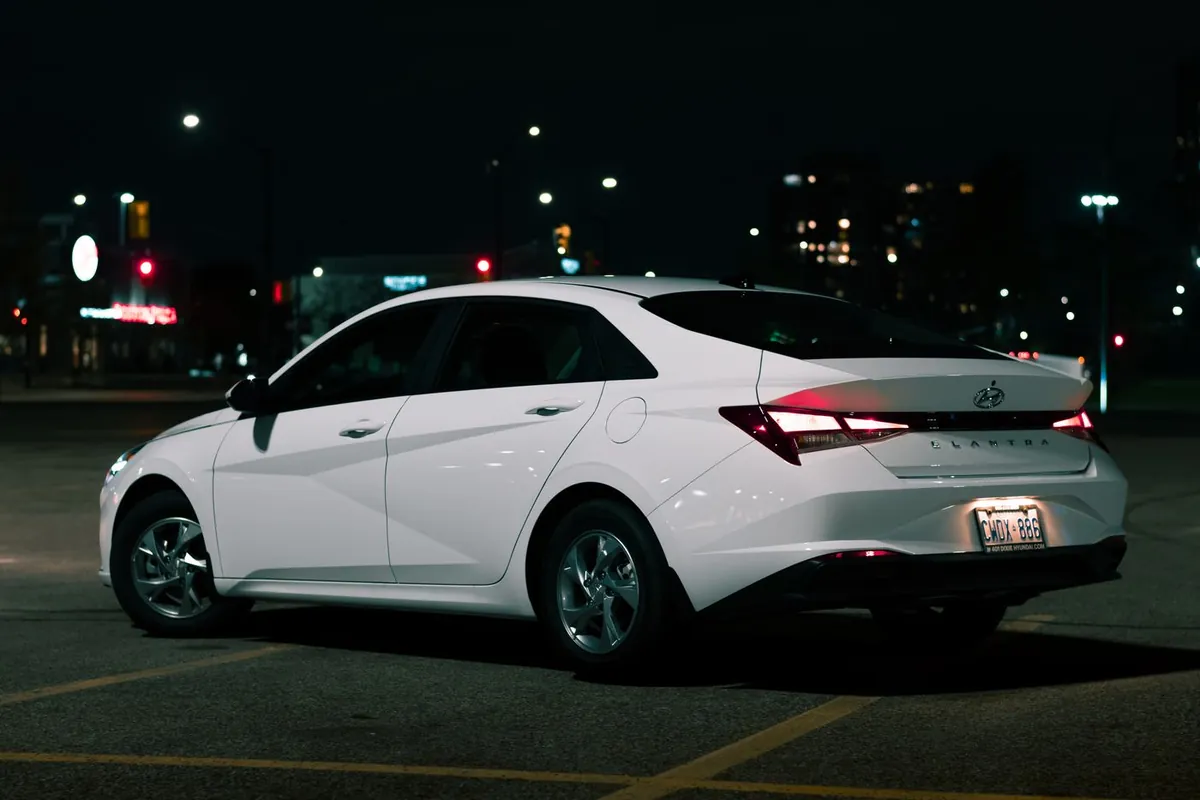
Hyundai Elantra, Sonata and Tucson collision repair near Mesquite, TX?
Hyundai collision repair near Mesquite: why Hyundai requires scans before and after, what changes on a hybrid, and how parts and insurance work in Texas.
 Repair by make
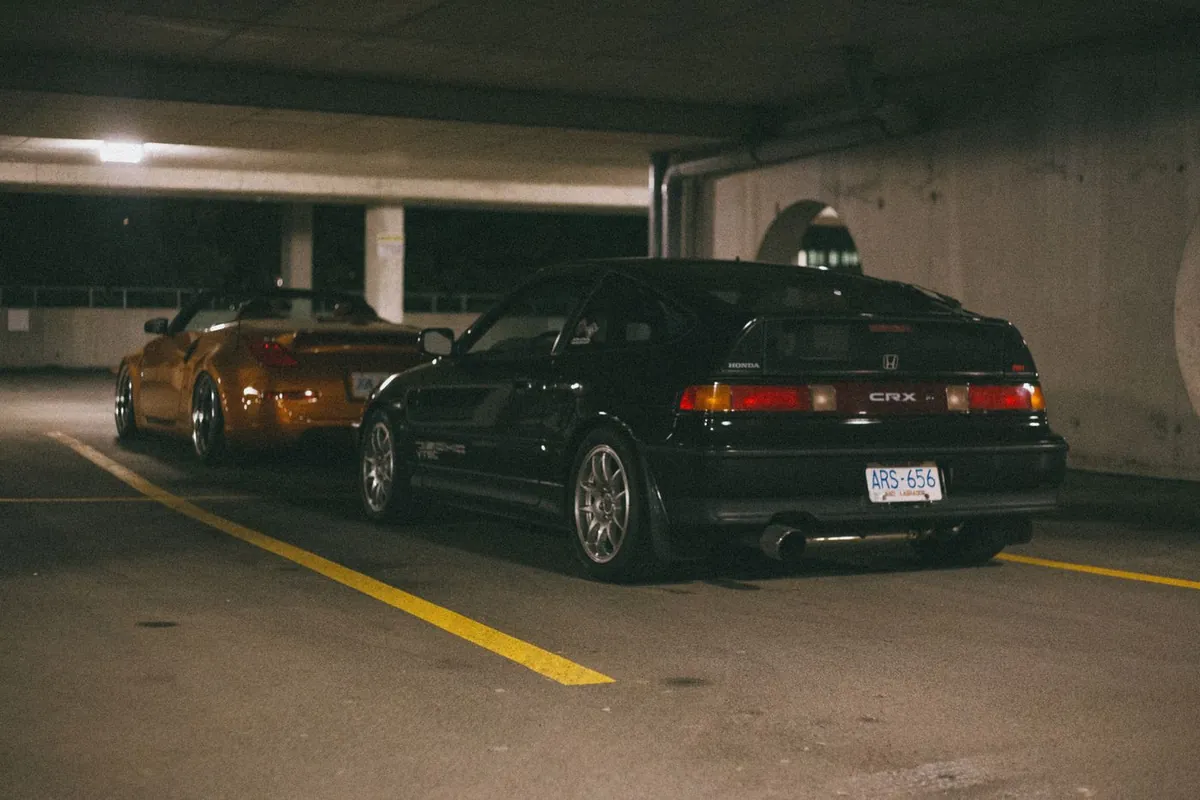
Honda CR-V and Pilot body repair in east Dallas County: where to go?
Choosing a shop for CR-V or Pilot body repair in east Dallas County: Honda's scan and aiming rules, windshield facts, and warning signs after pickup.
 Repair by make
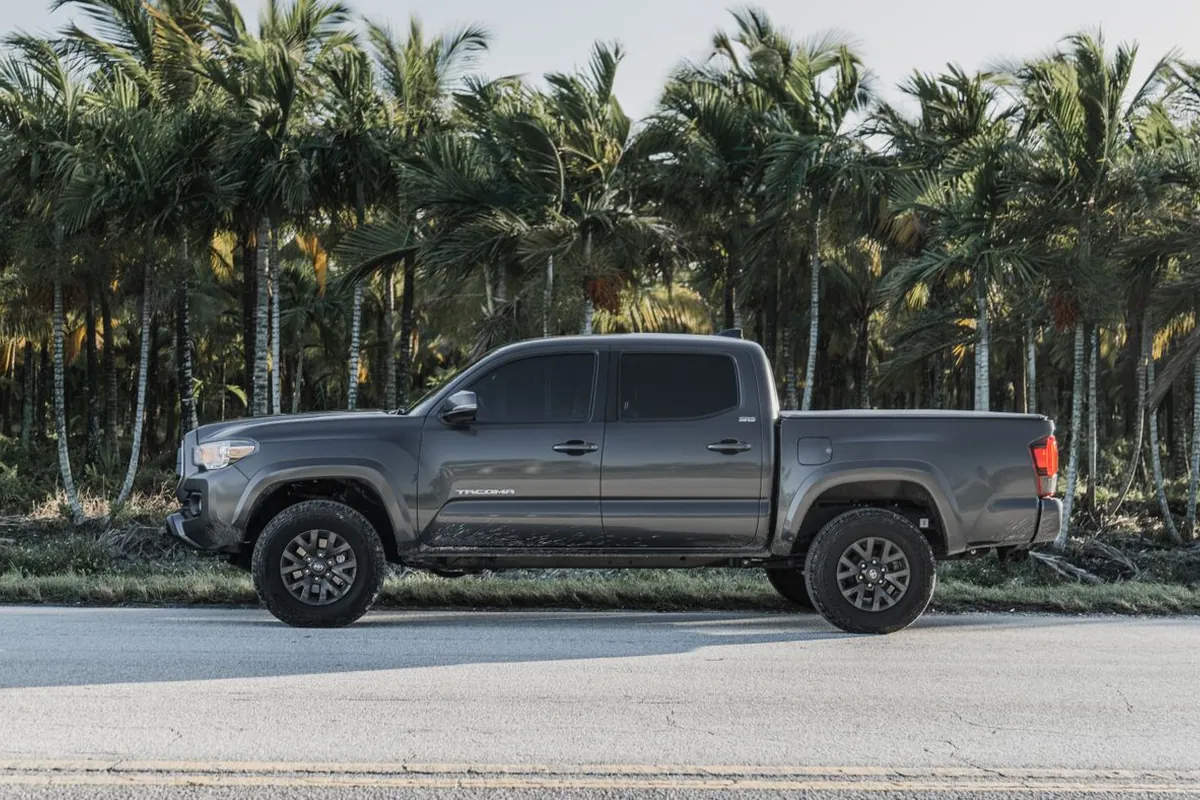
Can a Toyota Tacoma or Tundra with a bent frame be repaired near Dallas?
A bent Tacoma or Tundra frame can often be straightened, but Toyota does not approve sectioning. What that means for your repair and insurance in Texas.
More: all repair by make guides, collision repair, repair by make, reviews and directions to the shop.