
In short
Choose a shop that checks more than the bumper. On a minivan or third-row SUV, a rear-end hit can reach the liftgate, rear floor, quarter panels, rear sensors and the seat belts in the back rows. A proper repair measures the structure, scans and calibrates the sensors, and checks every belt that was in use against the maker's procedure.
- The third row sits close to the crush zone, so check what is behind the bumper.
- Rear cameras, radar and parking sensors often need refitting and calibration.
- Seat belts in use during the crash need checking under the maker's procedure.
- Uneven liftgate or door gaps point to structural damage.
- You can choose any shop near Mesquite on an insurance claim.
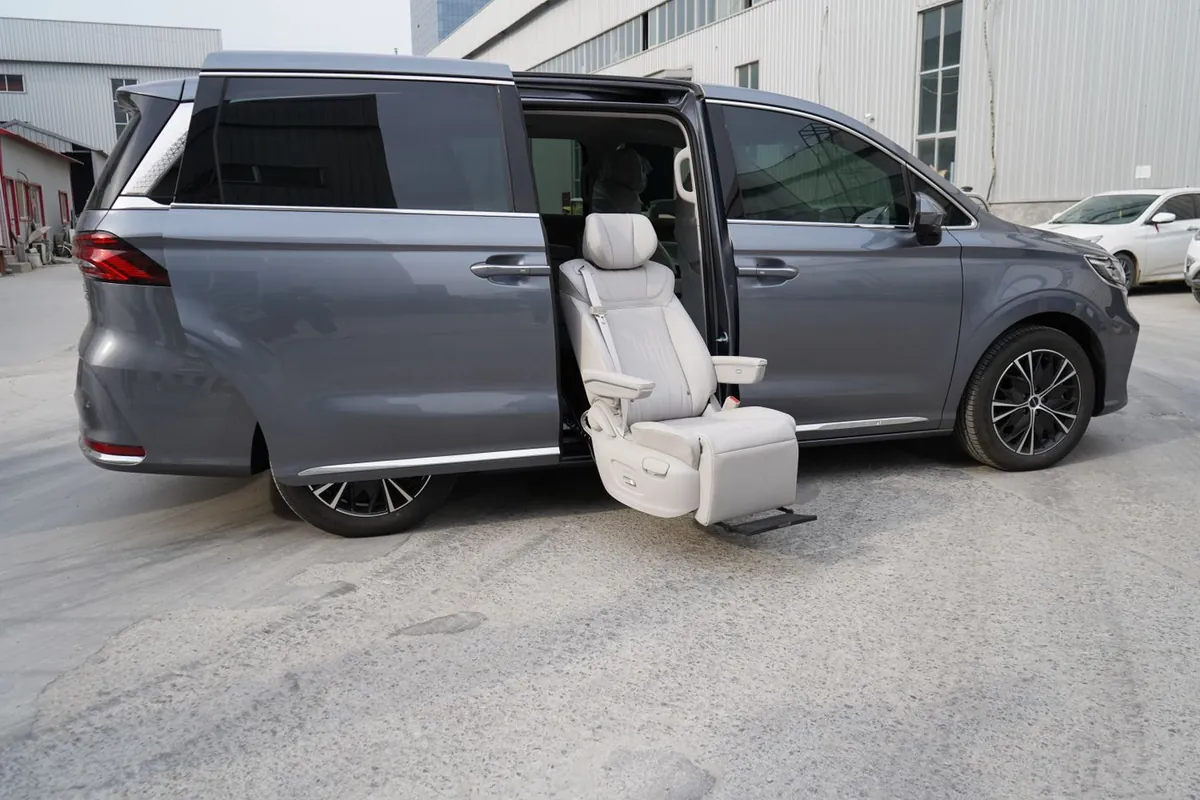
Who should repair my minivan or third-row SUV after a rear-end hit?
A body shop that treats the rear of a family vehicle as more than a bumper job. On a minivan or a three-row SUV, the third row sits close to the back of the vehicle. A rear-end hit that looks like a cracked bumper cover can also reach the liftgate, the rear floor, the quarter panels, the rear sensors and the seat belts your kids use. The right shop measures the structure, scans the electronics, checks every belt that was in use and follows the maker's procedure for your model.
Near Mesquite and Balch Springs you can take the vehicle to any shop you choose: the Texas Department of Insurance says your insurer may offer a list of body shops, but the choice is yours. This guide explains what is behind that back bumper, what to look for before you sign off on an estimate, and what to bring.
What does a rear-end hit damage on a minivan or SUV?
From the outside in, a rear impact can reach:
- Bumper cover and energy absorber. The plastic cover hides a foam or plastic absorber and a steel or aluminum reinforcement bar.
- Liftgate or rear hatch. On a minivan this is a large panel with a glass, a wiper, a camera, a handle and often a power motor and struts.
- Rear body panel and floor. The panel behind the bumper bar and the floor under the cargo area are welded to the body structure.
- Quarter panels and tail lamps. The quarters are welded in, so damage there is a bigger repair than a bolt-on part.
- Rear rails. On a unibody minivan or crossover, these structural members carry crash energy forward from the back.
- Third-row seats and belts. Seat mounts, folding mechanisms and belt anchors sit in the area that absorbs the hit.
- Exhaust, spare tire and hitch. Often pushed forward or bent out of place.
The first sign of hidden damage is often a liftgate that no longer closes evenly, a gap at the tail lamps that differs side to side, or a rear door on a minivan that rubs. Our guide on signs of frame damage lists more.
Why do rear sensors make even small hits harder?
Many family vehicles have rear driver assistance features: a backup camera, rear parking sensors, rear cross-traffic alert and blind spot monitoring. IIHS, the Insurance Institute for Highway Safety, says rear systems use cameras, radar or ultrasonic sensors, and blind spot detection uses sensors on the side of the vehicle. Many of those sit in or behind the rear bumper cover and the rear corners.
That changes the cost and the work. In a 2023 AAA study of three new vehicles, driver assistance parts made up 40.9 percent of the estimate in the minor rear collision scenario. That is a study figure for three test vehicles, not a price for your car, but it shows how much of a rear repair can be sensors rather than sheet metal. IIHS also notes that automakers call for these systems to be calibrated any time a sensor is removed and replaced or reinstalled.
So on a sensor-equipped minivan or SUV, a rear repair usually includes removing and refitting sensors, a scan of the electronics and whatever calibration the maker lists. Whether a bumper cover in front of a sensor can be repaired, or must be replaced, is set by the maker's repair information. See our guide on repairing or replacing a bumper cover.
Do the seat belts need checking after a rear-end crash?
Yes, and on a family vehicle this matters a great deal. Seat belts are built to lock and hold in a crash, and their retractors, buckles and anchors take load. What has to be replaced depends on the maker and the crash, so this is a question for the maker's procedure, not for guesswork.
Two published examples show how seriously makers treat it:
- Nissan, according to I-CAR's summary of its position statement, says to inspect all seat belt assemblies, including retractors and buckles, after a collision, and recommends replacing all assemblies that were in use unless the collision was minor and the belts show no damage and work properly.
- GM's instructions for one model, the 2025 Cadillac CT4, call for replacing any seat belt system that was in use during a collision serious enough to deploy an automatic restraint, and for inspecting the seats, belts and mounting points after any collision.
Those are examples, not a rule for every brand. Ask the shop to look up what your maker says for your exact model, and to check every belt, including the third row. For child car seats, follow the car seat maker's instructions on whether a seat must be replaced after a crash, and tell your adjuster if a seat was in the vehicle.
How do I tell a cosmetic repair from a structural one?
This table helps you read what you see and what it may mean.
| What you see | What it may mean | What the shop should do |
|---|---|---|
| Scuffed or cracked bumper cover, everything else lines up | Cover and possibly absorber damage | Remove the cover, inspect the bar and sensors, scan. |
| Liftgate hard to close or uneven gaps | Liftgate, hinge area or rear body opening out of shape | Measure the opening before replacing or adjusting the gate. |
| Rear floor or spare tire well buckled | Energy reached the floor and possibly the rails | Measure the structure against the maker's dimensions. |
| Quarter panel creased or tail lamp gap uneven | Welded panel damage | Check the maker's procedure for repair or replacement at factory seams. |
| Sliding door rubs or will not latch | Body shifted or door track damaged | Measure and check the track before adjusting the door. |
| Backup camera picture shifted, parking sensor warnings | Sensor or bracket moved | Scan, refit or replace the sensor, calibrate if the maker requires. |
| Vehicle pulls or the steering wheel is off center | Rear suspension or alignment damage | Inspect suspension parts and align. |
The further down the list you go, the more the job moves from cosmetic to structural, and the more the repair depends on measurement and the maker's procedure. If two or more rows apply, assume the structure is involved until it has been measured.
What does a structural rear repair involve?
On a unibody minivan or crossover, the rear body is part of the structure. Stellantis, maker of the Chrysler Pacifica and Dodge Grand Caravan, says structural distortion must be identified and corrected with structural straightening equipment and a three-dimensional measuring system, and that replaced panels must give the as-built strength and corrosion protection of the originals.
Cutting a damaged section out and joining in a new one, called sectioning, is allowed only where the maker's repair information supports it. I-CAR, the collision industry's training organization, explains why: adding a sectioning joint changes how a part reacts to collision forces. Where the maker gives no sectioning location, the part is replaced at its factory seams. The rear wheels and suspension are the last piece. A rear hit can bend control arms, a rear axle or a subframe mount, so suspension parts are inspected and the wheels aligned once the structure is right. On a vehicle with driver assistance, the sensors are aimed relative to that alignment.
Body-on-frame SUVs, such as the Tahoe, Suburban and Expedition, have a separate frame behind the bumper. A rear hit there, especially through a trailer hitch, can bend the frame itself. Read rear-end and hitch frame damage if that sounds like your vehicle.
What should I ask, and what should I bring?
Questions worth asking any shop:
- Will you remove the bumper cover and check the reinforcement, floor and rails before final pricing?
- Will you measure the structure? Ask to see the measurements if anything is out.
- Which rear sensors does my vehicle have, and which need calibration after this repair?
- What does my maker say about the seat belts that were in use, including the third row?
- Will the liftgate and sliding doors be checked for fit, power operation and sealing?
Bring the claim number and the adjuster's name and number, the other driver's information if they hit you, your registration, photos from the scene, and a list of who sat where during the crash. That last item helps the shop know which belts were in use. If the other driver was at fault, see whose insurance fixes your car.
Owners of specific models can read our guides on Chrysler Pacifica body repair, Tahoe and Suburban body repair and Honda CR-V and Pilot repair, or browse repair by make.
How ACE Body & Frame helps
ACE Body & Frame has been on S. Peachtree Road in Balch Springs since 1987, serving Balch Springs, Mesquite and the surrounding area. Our collision repair work on family vehicles covers body and paint, suspension and frame repair, glass replacement, welding, upholstery and foreign and domestic automotive diagnostics, which covers most of what a rear-end hit can reach.
We write free computerized estimates and accept all insurance claims, and you have the right to choose where your vehicle is repaired. We document the damage, including anything we find once the bumper is off, and work with your adjuster while the claim stays yours. Towing and rental car service are available, so you are not left without a way to carry the family. Repairs are satisfaction guaranteed.
To get started, request a free estimate or call 972-286-0935, Monday to Friday. You can see vehicles we have repaired or learn more about our body and collision repairs. If you want an early look, send photos of the back of the vehicle and tell us which features it has.
Questions people ask next
The bumper looks fine but the liftgate will not close right. What does that mean?
It usually means the hit pushed the rear body opening or the hinge area out of shape, even if the cover sprang back. A plastic bumper cover often hides a bent reinforcement or floor behind it. Ask the shop to remove the cover and measure the opening before adjusting or replacing the liftgate, so the real cause is fixed.
Should I replace my child's car seat after a rear-end crash?
Follow the car seat maker's instructions, which are in the seat's manual or on its label, and they often address crashes. Tell your adjuster a seat was in the vehicle, and keep the seat until the claim is settled. Also ask the body shop to check the belt or anchor the seat was attached to.
Why does a small rear bump cost so much on a newer SUV?
Because much of the rear can be sensors. In a 2023 AAA study of three new vehicles, driver assistance parts were 40.9 percent of the estimate in the minor rear collision scenario. Removing, refitting or replacing sensors and calibrating them afterward adds work that an older vehicle without those features did not need.
Can I keep driving the van until the repair?
If the lights, liftgate latch, exhaust and belts all work and nothing rubs a tire, many owners drive carefully until the appointment. If the liftgate will not latch, the exhaust is pushed in, a tail lamp is out or a warning stays on, have it looked at first. Fumes and a loose liftgate are real risks with kids in back.
Who pays if the other driver hit me from behind?
Usually the other driver's insurer, if it accepts that its driver was at fault. TDI says that insurer should pay for repairs and a rental, but that payment is not assured. If it refuses or delays, you can use your own collision coverage, and your insurer may try to recover your deductible from the other company.
Ready to get it fixed?
ACE Body & Frame, 2922 S. Peachtree Road, Balch Springs. Free computerized estimates, all insurance claims accepted.
Sources
- IIHS, "Advanced driver assistance" topic page
- IIHS news, "Crash avoidance features improve safety but complicate repairs" (February 15, 2023)
- AAA Newsroom, "Fixing Advanced Vehicle Systems Makes Up Over One-Third of Repair Costs Following a Crash" (Dec. 14, 2023)
- I-CAR RTS, "Nissan Position Statement: Seat Belt Replacement Considerations"
- I-CAR RTS, OEM Restraints System Part Replacement Search, 2025 Cadillac CT4
- FCA US LLC Position Statement, "Structural Repair Parts Usage" (December 1, 2025)
- I-CAR RTS, "Structural Sectioning Procedures: Toyota/Lexus"
- TDI, "Not your fault? How to deal with the other driver's insurance"
- TDI, "Were you in a wreck? Tips for auto insurance claims"
Read next
 Repair by make
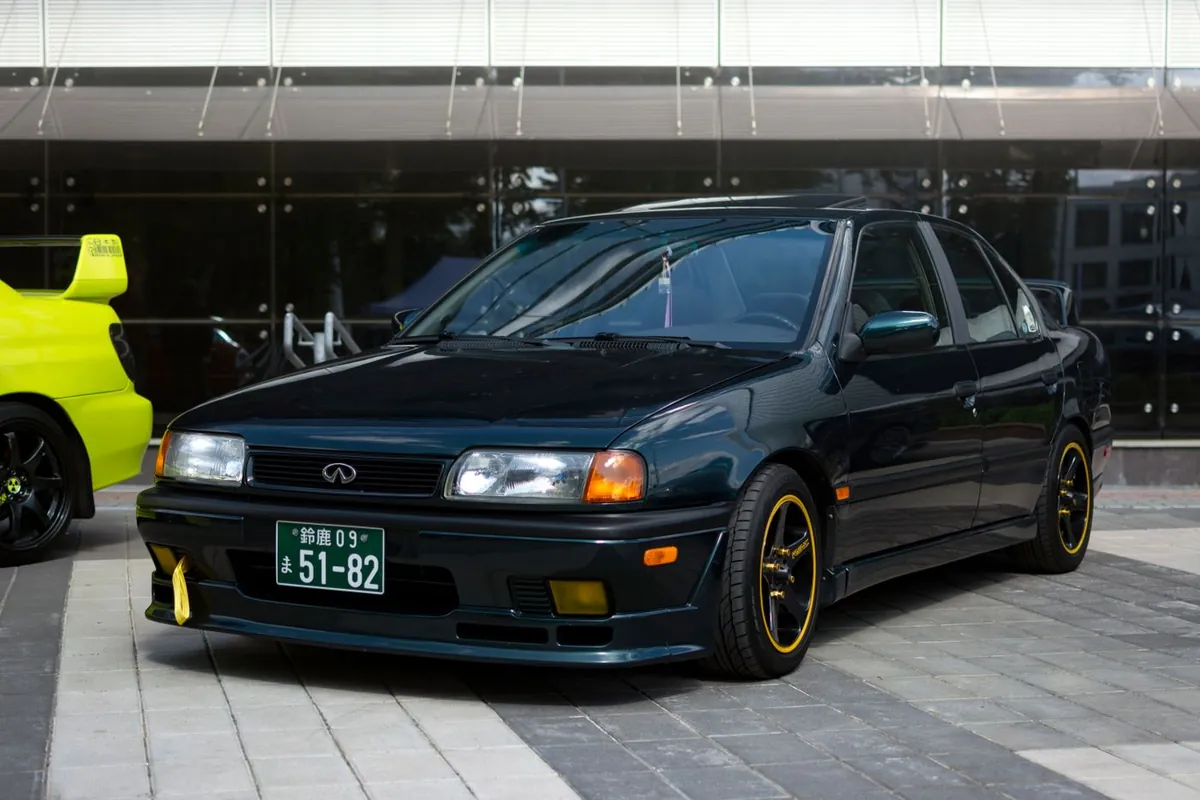
Infiniti Q50 and QX60 body repair near Mesquite, TX?
Nissan's rules for repairing an Infiniti Q50, QX50, QX60 or QX80: scans, CONSULT calibration, glass, wheels and seat belts, and what to ask a shop.
 Repair by make
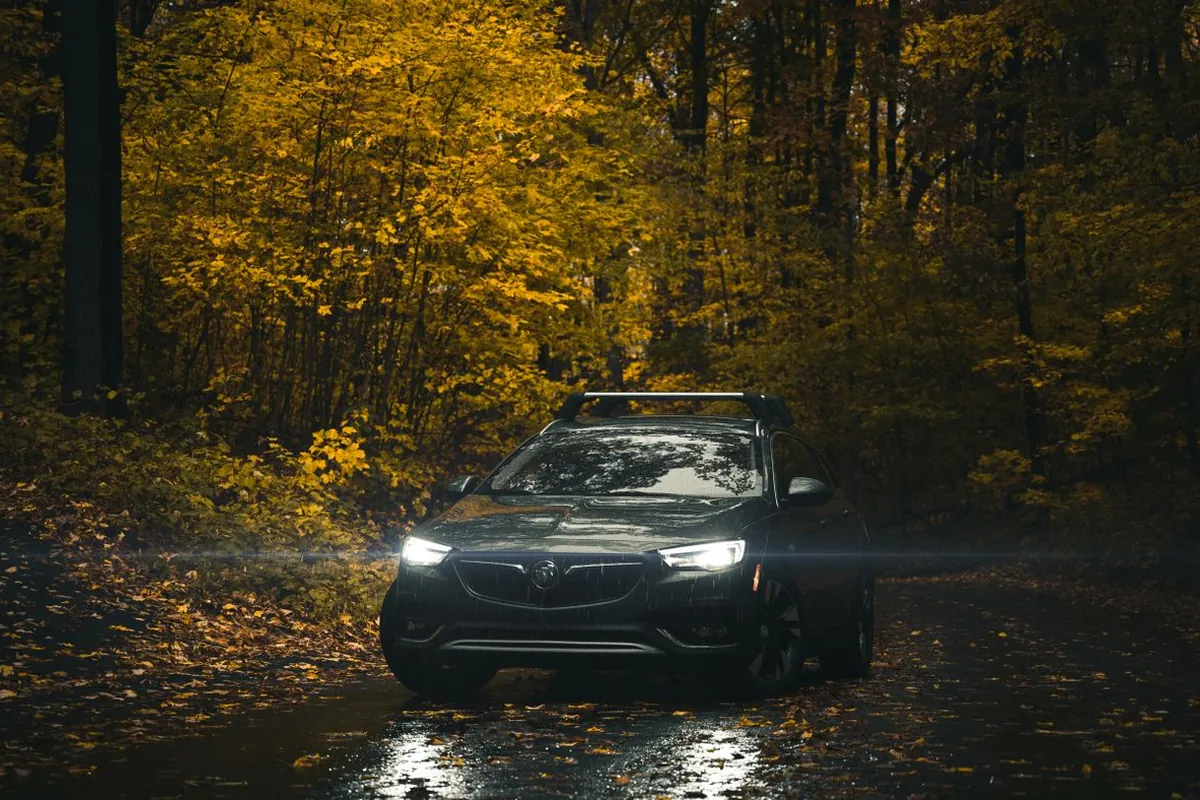
Buick Enclave and Encore body repair near Balch Springs, TX?
What GM requires when a Buick Enclave, Encore or Envision is repaired, what a full estimate should list, and who pays for what on a Texas claim.
 Repair by make
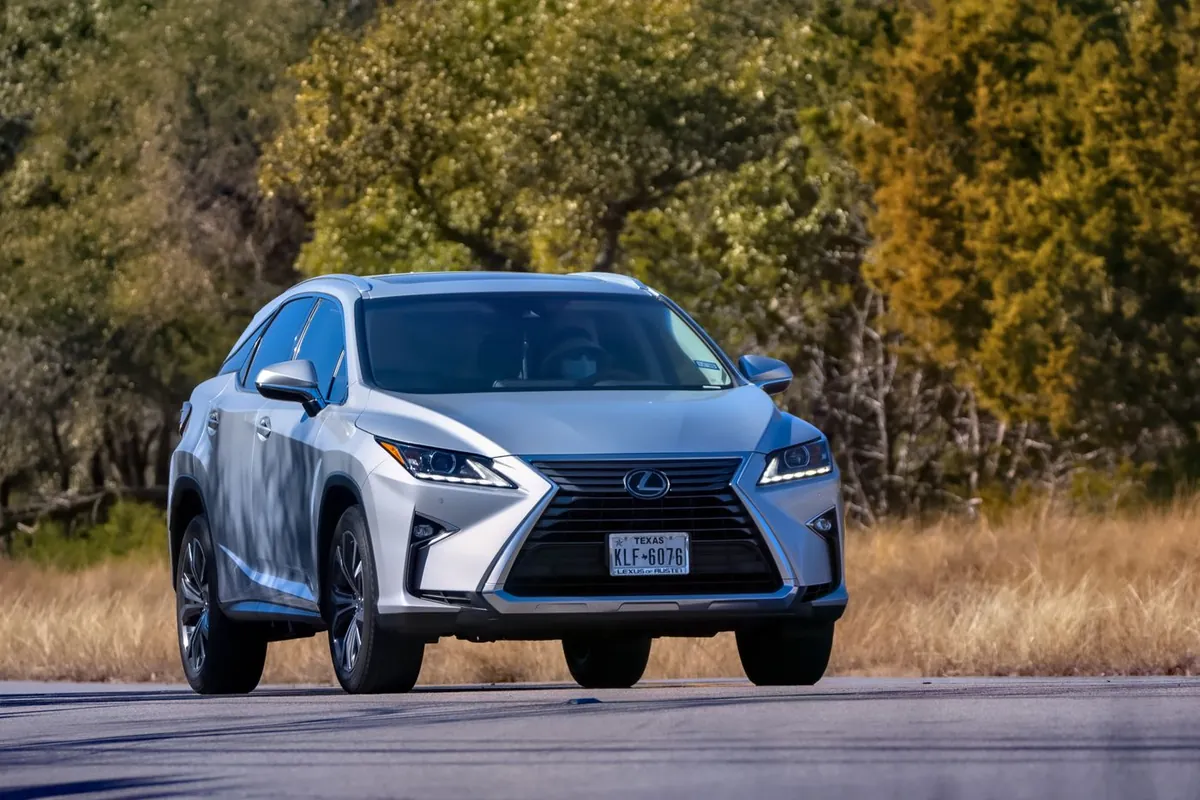
Lexus RX and ES body repair near Mesquite, TX: what should I ask?
Five questions to ask before a Lexus RX or ES body repair near Mesquite: the Health Check scan, no heat on structure, glass, camera calibration and paint.
More: all repair by make guides, collision repair, repair by make, reviews and directions to the shop.