
In short
A scratch that stays in the clear coat can often be polished out, but one that cuts through the color, to primer or to bare metal needs the panel refinished and blended. Touch-up paint only seals small chips. A keyed car is vandalism, which Texas insurers cover under comprehensive coverage if you carry it.
- Where the scratch stops in the paint layers decides the repair.
- Touch-up paint seals chips but rarely hides a long, deep line.
- A keyed panel is refinished and blended into its neighbors.
- Vandalism falls under comprehensive coverage, with your deductible.
- Bare metal should be sealed quickly to stop rust.
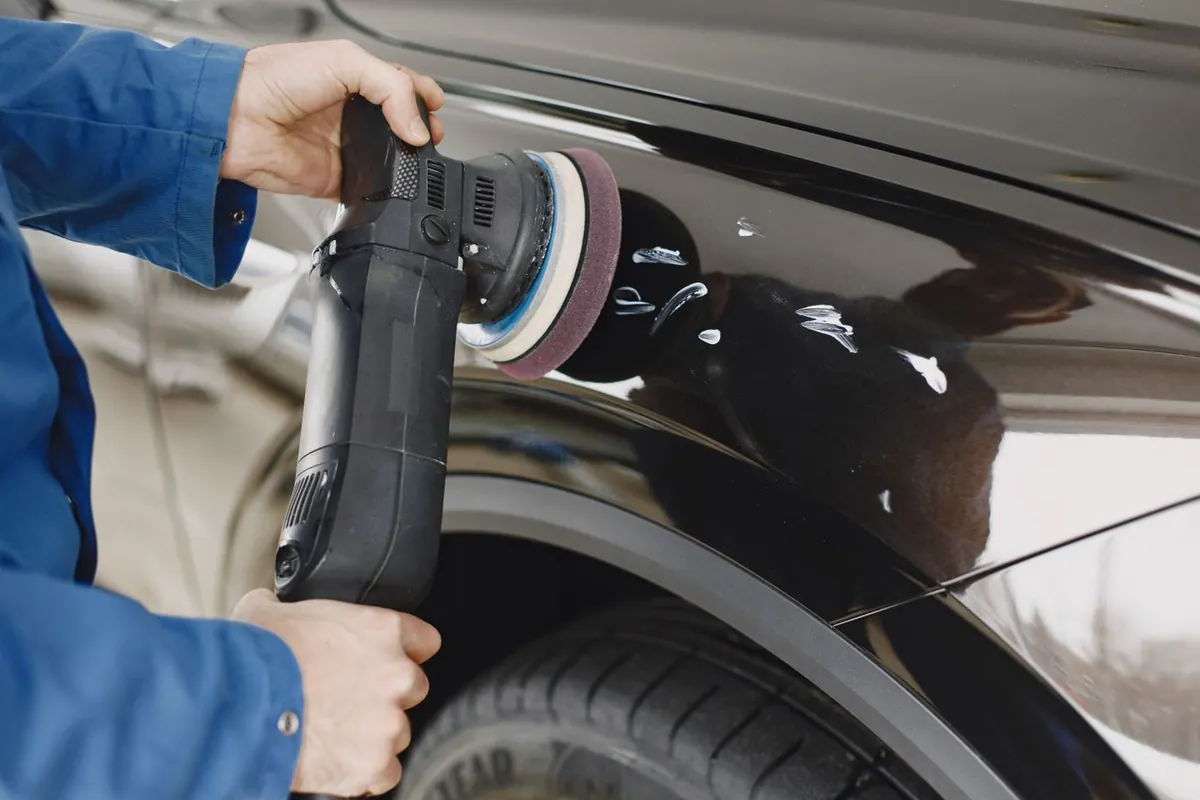
Touch up or repaint: which does a deep scratch need?
It depends on how deep the scratch goes. A scratch that stays in the clear coat, the glossy top layer, can often be polished out with no paint at all. A scratch through the color coat usually cannot be fixed well with a touch-up pen; it needs the panel refinished. A scratch down to primer or bare metal always needs refinishing, and sooner rather than later, because bare steel rusts.
Touch-up paint has a place. It seals a small stone chip and keeps moisture out. On a long, deep line, though, it fills the groove with a blob of color that sits above or below the surface and catches the light. Many owners who try it on a keyed door end up having the panel painted anyway.
A keyed car is usually the second case or worse: someone pressed hard, and the line runs across one or more panels. That normally means refinishing each panel the key touched, with the color blended into the panels beside them so the repair cannot be seen.
How can I tell how deep my scratch is?
Car paint is built in layers. From the top down there is clear coat, then the color (base) coat, then primer, then the metal or plastic. Where the scratch stops tells you most of what you need to know. Wash and dry the area first, then try these checks:
- Wet it. Wipe a little water over the scratch. If it nearly disappears while wet, it is probably in the clear coat only.
- The fingernail test. Run a fingernail across the line, not along it. If the nail glides over, the scratch is shallow. If it catches, the scratch is deeper than the clear coat.
- Look at the color in the groove. Your car's color in the line means the color coat is still there. White or gray means primer. Shiny silver on a steel panel means bare metal.
- Check plastic parts. On a bumper cover, black or gray plastic showing through means the paint is gone down to the part.
Do the checks in shade, not in direct sun. Bright sun can hide a fine line or make a shallow one look deeper than it is, and hot paint is also easier to mark if you rub it. These checks are a guide, not a verdict. Clear coat thickness varies from car to car, and a painter will look at the scratch under strong light before telling you what it needs.
What does each depth of scratch usually need?
The table shows the common depths of scratch, how to recognize each, the usual repair and the main risk if you wait.
| Depth | What you see | Usual repair | Risk if left |
|---|---|---|---|
| Clear coat only | Light line, fades when wet, nail does not catch | Machine polishing, no paint | Mostly looks; may collect dirt |
| Into the color coat | Line stays visible when wet, nail catches lightly | Refinish the panel and blend; touch-up only as a stopgap | Clear coat may begin to lift at the edges |
| Down to primer | White or gray line | Refinish the panel and blend | Primer alone does not hold up well to sun and water |
| Down to bare metal | Silver or dark line on a steel panel, possible rust spots | Treat the metal, prime, refinish and blend | Rust starts and can spread under the paint |
| Through paint on plastic | Black or gray plastic showing | Repair the surface, use a flexible primer, refinish | Paint may peel back from the edges |
| Long key line across several panels | One line over doors, fenders or quarter panel | Refinish every scratched panel, blend into neighbors | More panels affected if paint starts to fail |
Find the row that matches what you saw in the checks above. If two rows fit, plan for the deeper one; a painter will tell you if the scratch turns out to be shallower than it looked.
Why does a keyed door mean painting more than the scratch?
Painting just the line would leave a visible stripe of new color in old paint. Instead, the panel is sanded, primed where needed, and refinished, and the color is faded into the neighboring panels. This is called blending. It is how a shop makes a repair disappear when the new paint is a fraction of a shade different from paint that has spent years in the Texas sun.
So a key line along the driver's side may show up on an estimate as both doors, the front fender and the rear quarter panel: some refinished in full, some blended. That is not padding. It is how the color ends up even when you look down the whole side of the car. Our guide on whether new paint will match the rest of the car explains why some colors, such as pearl whites, silvers and bright reds, need more blending than others.
The painting itself is regulated. A federal rule, 40 CFR 63.11173, requires shops that spray coatings on motor vehicles to use painters trained in spray application and in setting up spray equipment, to spray inside a booth or enclosure with filters shown to capture at least 98 percent of overspray, and to use approved spray guns such as high volume, low pressure guns. Ask any shop, including us, where your car will be painted.
Will insurance pay for a keyed car?
Deliberate damage by someone else is vandalism, and the Texas Department of Insurance (TDI) lists vandalism under comprehensive coverage, along with theft, fire, flood and hail. If you carry comprehensive, a keyed car is normally a comprehensive claim. If you have liability coverage only, your own policy does not pay to repair your car.
Points TDI makes that help you decide:
- Your deductible applies to each claim. Your insurer subtracts it from the payment, and you pay it to the shop.
- Repair payments are capped at the car's actual cash value, which matters on an older car with several panels keyed.
- Asking is free. TDI says an insurer cannot charge you more for a claim it did not pay, or for a call asking about your policy or the claims process.
- Your claim history is on file. Most insurers check it through a CLUE report, and TDI says you can get a free copy each year by calling 866-312-8076.
Get a free estimate before you decide. If it is close to your deductible, many owners simply pay for it. If several panels need paint, a claim may make sense. If the insurer's number comes in well below the shop's, read what to do when the insurance estimate is lower than the shop estimate.
What should I do when I find the damage?
- Photograph it right away. Take wide shots that show the whole car and where it was parked, then close-ups of each scratch.
- Note the time and place. Write down when you last saw the car undamaged and where it was.
- Ask about cameras. A store, apartment office or neighbor may have footage. Ask promptly, as recordings are often kept only for a short time.
- Ask your insurer what it needs. Some insurers ask whether the vandalism was reported to police. Ask yours before you file.
- Protect bare metal. If you see bare steel and the repair is some way off, a dab of touch-up paint keeps water out for now.
- Get an estimate. A written estimate tells you which panels need work before you decide whether to claim.
If another car hit yours instead, the steps are different; see what to do when your car was hit while parked. For scratches that come with a dent, our guide on dent and door ding repair without repainting explains when paint can be avoided.
How ACE Body & Frame helps
ACE Body & Frame has repaired cars on S. Peachtree Road in Balch Springs since 1987, for drivers from Balch Springs, Mesquite and the surrounding area. Scratch and paint repair sits alongside our full collision repair, frame, glass and mechanical work.
- Free computerized estimates. We check how deep each scratch goes and list which panels need polishing, refinishing or blending. Request a free estimate and send a photo of the damage.
- All insurance claims accepted. If you claim, we document the damage, write the estimate and work with your adjuster. You have the right to choose where your vehicle is repaired.
- Satisfaction guaranteed. Check the paint outside in daylight when you pick the car up, and tell us if anything looks off.
What to bring: the car, your insurance details and claim number if you filed, and your photos of the damage. Call us at 972-286-0935, Monday to Friday, or ask for a paint estimate online. You can see examples of our finished paint work first.
What if the paint was already failing before the scratch?
Sometimes a scratch shows up on a panel whose clear coat was already dull or peeling from sun. Then refinishing just the scratched area may not be enough, because the old finish next to it is failing. A painter may suggest refinishing more of the car, or at least the whole side, so the new and old finish do not sit next to each other looking different. It is worth asking for the estimate in two versions: one that repairs only the scratched panels and one that refinishes the failing ones too. You can then decide what you want to spend on, with both options in writing. If the car has also picked up small dents from a storm, the same visit can cover both; see hail damage repair and insurance, since hail is a separate comprehensive claim from vandalism. Our guide to peeling clear coat and faded paint covers those options. You can browse every related guide on our paint, dents and hail page, or see what our auto body and paint service includes.
Questions people ask next
Can a scratch be buffed out?
If it is only in the clear coat, often yes. Machine polishing levels the clear coat around the scratch so the line stops catching light. If your fingernail catches in the groove, or you see white, gray or bare metal, polishing cannot replace the missing paint, and the panel needs refinishing to look right and stay protected.
Why can't the painter paint just the scratch?
A thin stripe of new paint in old paint shows, because fresh color and sun-aged color are never exactly the same. Refinishing the panel and fading the color into the next panels removes any edge your eye can find. It costs more work than a stripe, but it is the way to make the repair invisible.
Will a vandalism claim raise my premium?
We cannot answer that for your policy; ask your agent. TDI says an insurer cannot charge you more for a claim it did not pay or for a call asking about your policy or how claims work. Most insurers check claim history through a CLUE report, which you can request free once a year.
Is it worth fixing scratches on an older car?
If the scratch reaches bare metal, yes, at least enough to stop rust, because rust spreads under paint and adds work later. If it is a cosmetic line in the clear coat, it is your call. A free estimate shows what each option involves so you can decide what is worth doing on your car.
My bumper got scratched in a parking lot. Is that different?
Bumper covers are plastic, so a scratch through the paint shows black or gray plastic instead of metal. Plastic does not rust, but paint can peel back from the edges. The repair uses a flexible primer before color. If the bumper is also cracked or pushed in, sensors behind it may need attention.
Ready to get it fixed?
ACE Body & Frame, 2922 S. Peachtree Road, Balch Springs. Free computerized estimates, all insurance claims accepted.
Sources
- 40 CFR 63.11173
- TDI, Automobile insurance guide (cb020)
- TDI, "Steps to getting your home or car insurance claim paid"
- TDI, "Will my premium go up if I file a claim?"
- TDI, "What to know about deductibles"
Read next
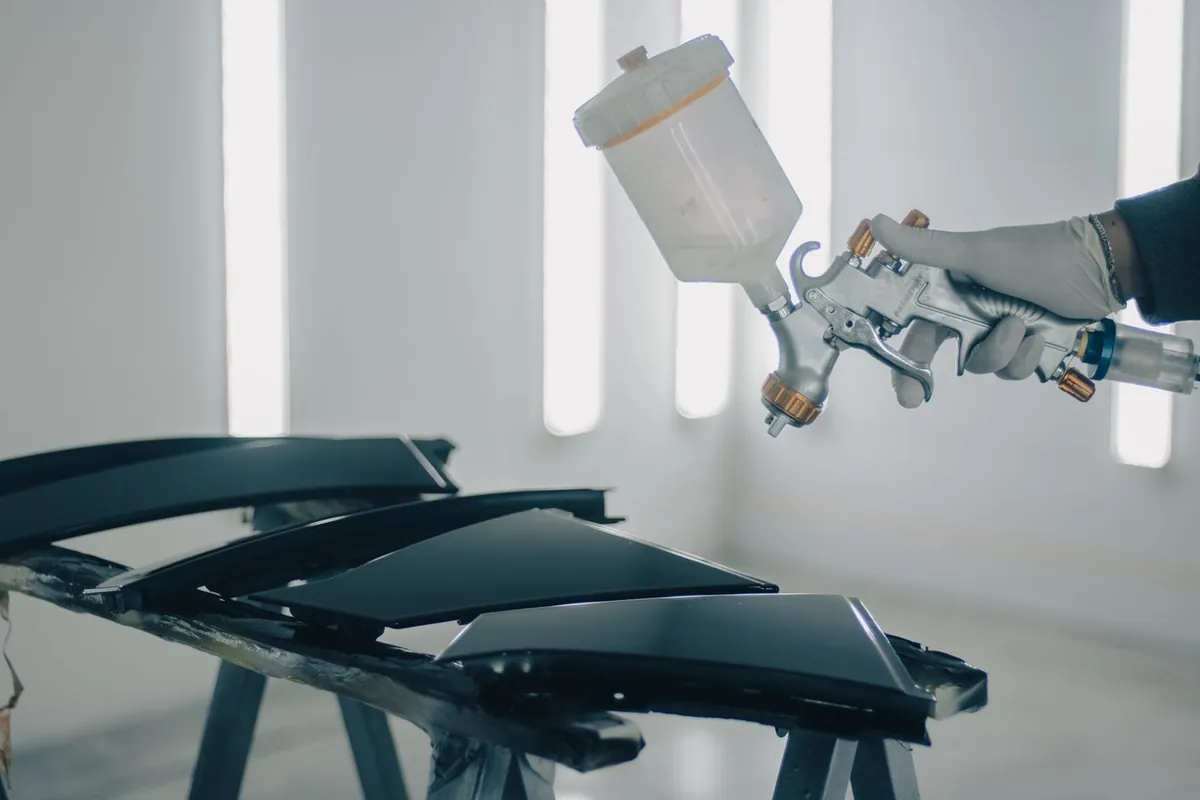 Paint, dents and hail
Will the new paint match the rest of my car after a repair?
New paint can match your car when the shop tests the color and blends it into the next panel. See which colors are hard and how to check the result.
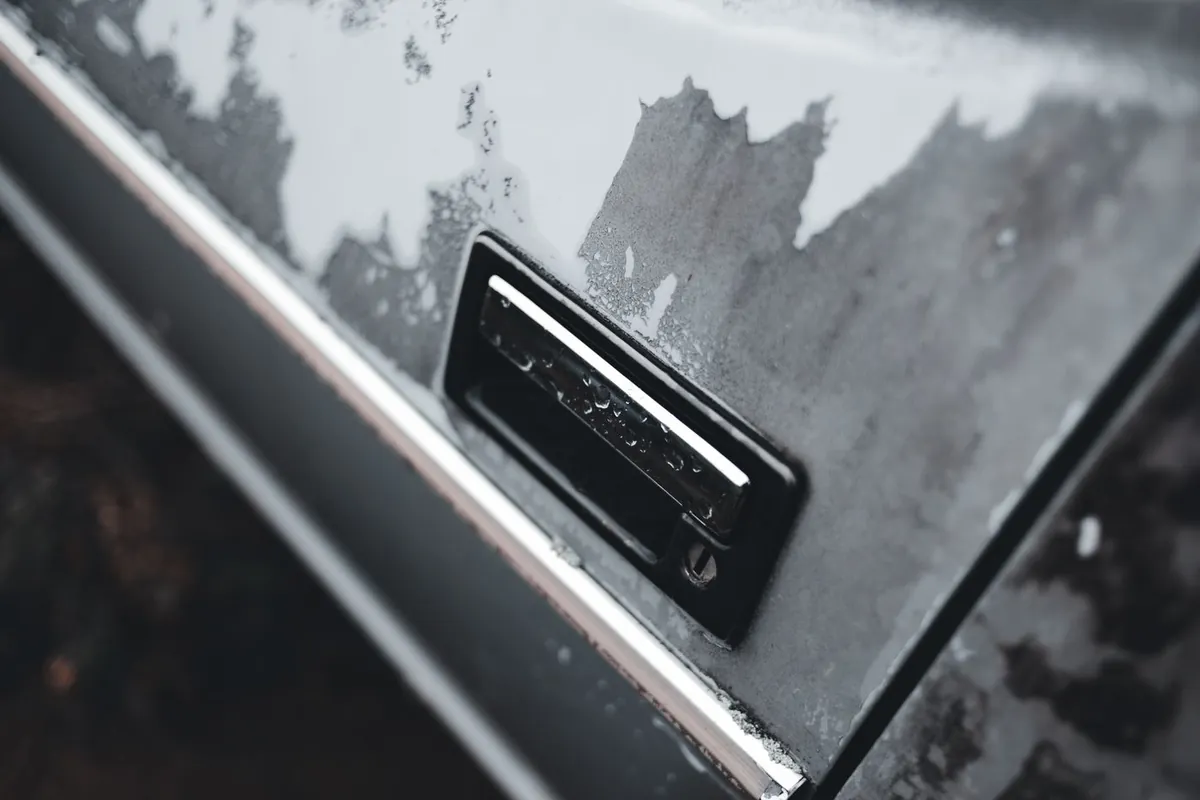 Paint, dents and hail
Clear coat peeling or faded paint in the Texas sun: what are my options?
Dull paint can often be polished; peeling clear coat needs the panel sanded to sound paint and refinished. Compare spot fixes, panels and a full repaint.
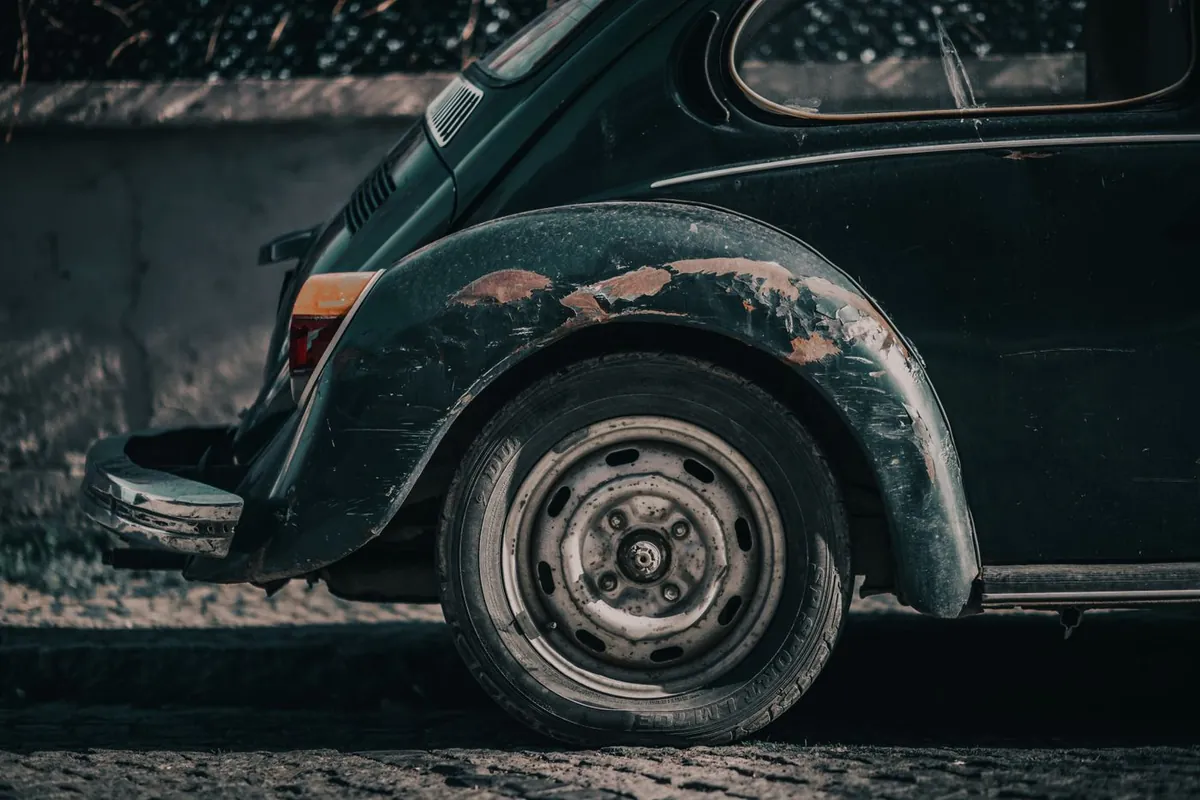 Paint, dents and hail
Dent or door ding near Balch Springs: can it be fixed without repainting?
Many dents with unbroken paint can be pushed out with no repainting. See which dents need paint, what the repair involves and when to use insurance.
More: all paint, dents and hail guides, collision repair, repair by make, reviews and directions to the shop.