
In short
Ask what happens under the paint before you ask about color: how far the car will be stripped, what happens to rust and old filler, and whether you will see the bare metal before primer. Preparation decides how a classic paint job looks years later. Then confirm the color source, the paint system, the areas painted and where the car will be sprayed.
- Preparation, not paint, is where most of the hours and most of the quality come from.
- Ask for photos of bare metal before primer; rust painted over comes back.
- Approve a spray-out card of the color next to the car in daylight.
- Federal rule 40 CFR 63.11173 sets booth, spray gun and painter training requirements.
- Get a written estimate listing the level of work, areas painted and what is excluded.
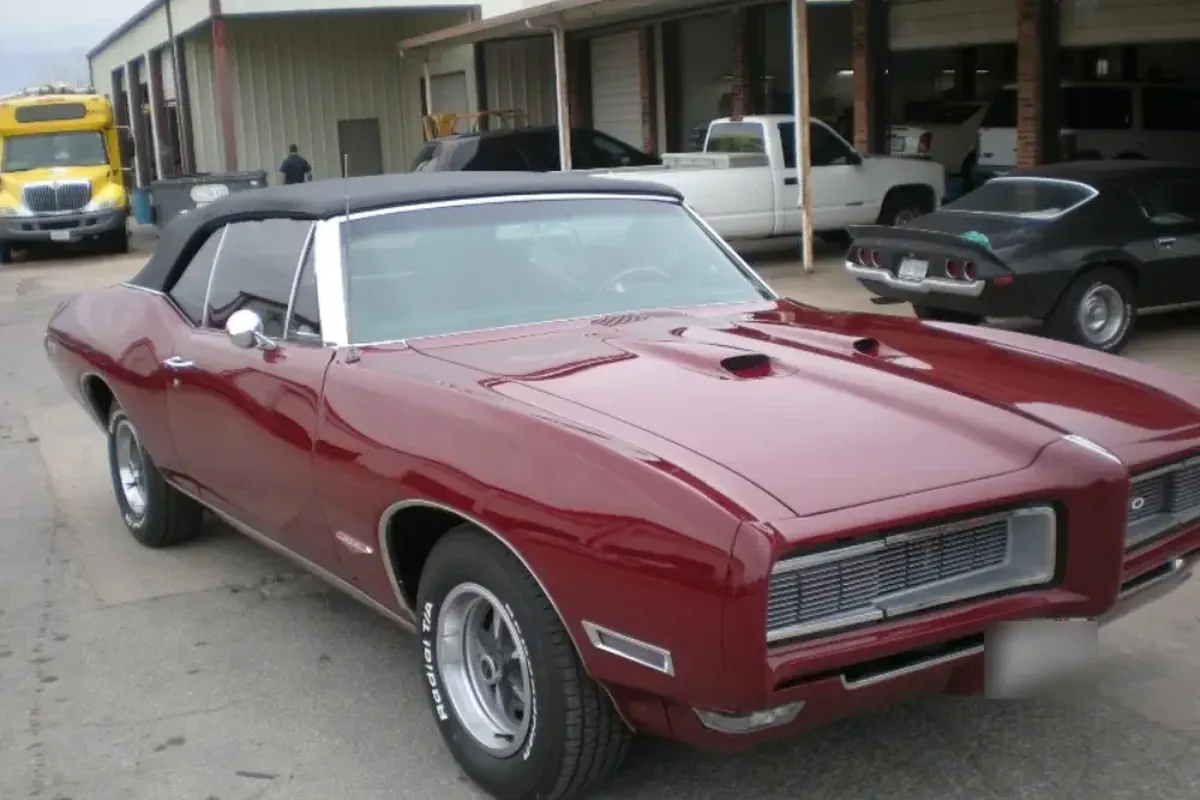
What should I ask first before a classic car gets painted?
Ask what happens under the paint before you ask about the color. On a classic, the finish is only as good as the metal and preparation beneath it, and preparation is where most of the hours go. The first three questions to put to any shop are: how far down will you strip it, what will you do about rust and old filler you find, and how will you show me the bare metal before primer goes on. A shop that answers those clearly will usually answer the rest clearly too.
We paint classics as part of our classic car and truck restoration work at our shop on S. Peachtree Road in Balch Springs, next to Mesquite. This guide lists the questions we would want a customer to ask us, and why each one matters.
Which kind of paint job does my car actually need?
"Paint job" covers very different amounts of work. The table below compares the common levels so you and the shop are talking about the same thing.
| Level | What it involves | Good fit when |
|---|---|---|
| Spot or panel repair | Repair and refinish one damaged area, blended into the panels next to it | The rest of the paint is sound and you like it |
| Same-color respray, scuff and shoot | Sand the old finish, fix small dents, paint over the top; door jambs often left alone | Old paint is faded but stable, no rust bubbling through |
| Respray with trim off | Remove trim, handles, lights and glass seals; repair problem areas to metal; paint the shell | You want a clean, lasting driver finish without full stripping |
| Color change | As above, plus jambs, under the hood and trunk, and often interior edges | You want a different color that looks original, not resprayed |
| Bare metal, full strip | All old paint and filler removed, rust and panel work done, full new system from primer up | Paint is cracking or lifting, rust is coming through, or you want a show finish |
The further down the table, the more the work is about the body and the less it is about the paint. If old paint is cracking, lifting or bubbling, the lower rows are usually the only ones that last.
What should I ask about preparation and rust?
Preparation decides how the paint looks in five years, not just on the day you pick the car up. Ask:
- How will the old paint come off? Ask which method the shop uses on panels and on thin or delicate areas, and how it protects the metal from warping.
- What happens when you find rust? Rust painted over comes back. Ask whether rusted metal will be cut out and replaced or patched, and how you will be told. Our guide on rust repair and fabrication explains the choices.
- How much filler will be used? A thin skim to smooth a repaired panel is normal. Thick filler over a dent or rust is a shortcut that cracks later.
- Will I see the bare metal? Ask for photos of each panel stripped, before primer. They are also a useful record if you ever sell the car.
- How are panel gaps handled? Doors, hood and trunk should be fitted before paint, not after, so the gaps are even and nothing chips when it is adjusted.
How will you match or choose the color?
For an original-looking restoration, the color starts with the car itself. Ask where the shop will find the original color: often on a paint or trim tag, under trim, inside the glove box or in the door jambs where sun never reached. Original paint codes from decades ago may be mixed with today's materials, so ask to see a spray-out card, a test panel sprayed with the actual mix, next to the car in daylight before the whole car is painted.
A few more color questions are worth asking:
- Single stage or base and clear? Many older cars left the factory with single-stage paint, where color and gloss are in one layer. Base coat and clear coat is common today. Ask which the shop recommends for your car and why, and how it affects the look you want.
- Metallic or pearl? These are the hardest to match on a partial repaint. Our guide on whether new paint will match covers blending.
- What gets painted? Jambs, under the hood, under the trunk lid, inside the fenders, the dash edges. Write down every area included.
Where will the car be painted, and by whom?
This is a fair question to ask any shop. Federal rules set the floor for how auto body painting is done. The rule often called EPA 6H (40 CFR Part 63 Subpart HHHHHH) applies to motor vehicle surface coating, and section 63.11173 says:
- Painters who spray-apply coatings must be trained in spray application and in setting up and maintaining spray equipment. The training has to be completed within 180 days of hiring and renewed at least every five years.
- Spray coatings must be applied in a spray booth, preparation station or mobile enclosure with filters shown to capture at least 98 percent of paint overspray.
- A booth used to refinish complete vehicles must be fully enclosed, with a full roof and four complete walls or side curtains, and ventilated at negative pressure.
- Coatings must be applied with high volume, low pressure (HVLP) guns, electrostatic application, airless or air-assisted airless guns, or an approved equivalent.
Beyond the rule, a clean, enclosed booth also keeps dust and insects out of the finish, which matters a great deal on a show car. You can ask any shop, including us, where your car will be painted and who will spray it.
What should be in the written estimate?
A good estimate for a classic paint job reads like a plan. Make sure yours says:
- The level of work from the table above, in plain words.
- What comes off the car: trim, bumpers, glass, lights, handles, and who reinstalls them.
- How rust and hidden damage are handled, including how you will approve extra work.
- The color and system: code or name, single stage or base and clear.
- Which areas are painted, listed one by one.
- Finish work: whether the paint is color sanded and polished after it cures.
- What is not included, such as chrome plating, new rubber seals or interior work.
Be cautious with any quote that shows these warning signs:
- No mention of rust or hidden damage on a car that is decades old.
- Trim "taped off" instead of removed on a job sold as a full respray, which leaves paint edges that peel.
- A firm finish date given before anyone has looked under the paint.
- Full payment asked up front before any work is done.
We do not post prices for paint work, because the cost depends on preparation more than paint. The biggest drivers are how much rust and filler are found, how much trim comes off, whether the color changes, and the finish level you want.
How ACE Body & Frame helps
ACE Body & Frame has been on S. Peachtree Road in Balch Springs since 1987, serving Balch Springs, Mesquite and the surrounding area, Monday to Friday. Our services include classic car paint and restoration, auto body and paint, welding and fabrication for rust repair, fiberglass repair, glass replacement and upholstery. That means one plan can cover the rust, the bodywork and the paint, in the right order.
Estimates are free and computerized, and repairs are satisfaction guaranteed. Read what customers say on our reviews page, or call 972-286-0935 to talk through your car. Bring it by or send photos of the problem areas and request a free estimate.
How do I protect the new paint once the car is home?
New paint needs time to cure fully, so ask the shop when you can wash the car with soap, and when it is safe to wax or seal it. Until then, rinse gently and keep it out of the weather where you can. In the Texas sun, a garage or a breathable car cover does more for a classic finish than any product. For older finishes that are already fading, see our guide on peeling clear coat and faded paint, and for small damage later, deep scratch and keyed car repair.
Two Texas paperwork notes for finished classics. First, plates: the Texas Department of Motor Vehicles (TxDMV) says passenger cars and trucks at least 25 years old qualify for Classic plates on Form VTR-850, with no specialty plate fee beyond the annual registration. But if the project goes beyond paint and the body is altered from the maker's original design or built from non-original materials, TxDMV's Assembled and Reconstructed Vehicle Manual may treat it as a custom vehicle or street rod, which needs an inspection by an ASE Master Automobile Technician to be eligible for title. Our guide to antique and classic plates in Texas has the details.
If the paint is part of a bigger project, read full versus driver-quality restoration and classic truck restoration near Dallas, or browse our classic restoration guides. When you know the level you want, ask us for a classic paint estimate.
Questions people ask next
Can you paint my classic without taking it down to bare metal?
Yes, if the old paint is sound. A respray over stable old paint, with problem areas repaired to metal, can give a good driver finish. If the old paint is cracking, lifting or bubbling, painting over it usually fails, because new paint is only as stable as what is underneath. The shop should check adhesion before recommending a level.
How do I find my classic car's original color?
Look for a paint or trim tag, often on the door jamb, firewall or cowl, and check areas the sun never reached, such as under trim, inside the glove box or behind interior panels. Old codes may need to be mixed with today's materials, so ask for a sprayed test card and compare it with the car in daylight.
Should a classic get single-stage or base and clear paint?
Many older cars left the factory in single-stage paint, which has color and gloss in one layer and gives a period look. Base coat and clear coat is the common system today. Neither is right for every car. Ask the shop which it recommends for your goal, how each one is repaired later, and how each looks on your color.
Why does a classic paint estimate change after work starts?
Because rust, old filler and earlier repairs often cannot be seen until paint comes off. A fair estimate says what it assumes about the metal and how extra work will be shown to you and approved before it is done. Ask for photos of anything found, so you can see why the scope changed.
Do you paint classic trucks as well as cars?
Yes. ACE Body & Frame offers classic car and truck restoration, auto body and paint, welding, fabrication and fiberglass repair at 2922 S. Peachtree Road in Balch Springs, Monday to Friday. We start with a free computerized estimate and a look at the metal, so the paint plan fits the condition of the vehicle and how you will use it.
Ready to get it fixed?
ACE Body & Frame, 2922 S. Peachtree Road, Balch Springs. Free computerized estimates, all insurance claims accepted.
Sources
- 40 CFR 63.11173
- TxDMV Application for Classic License Plates (Form VTR-850, Rev. 8/2019)
- TxDMV Assembled and Reconstructed Vehicle Manual, October 2025
Read next
 Classic restoration
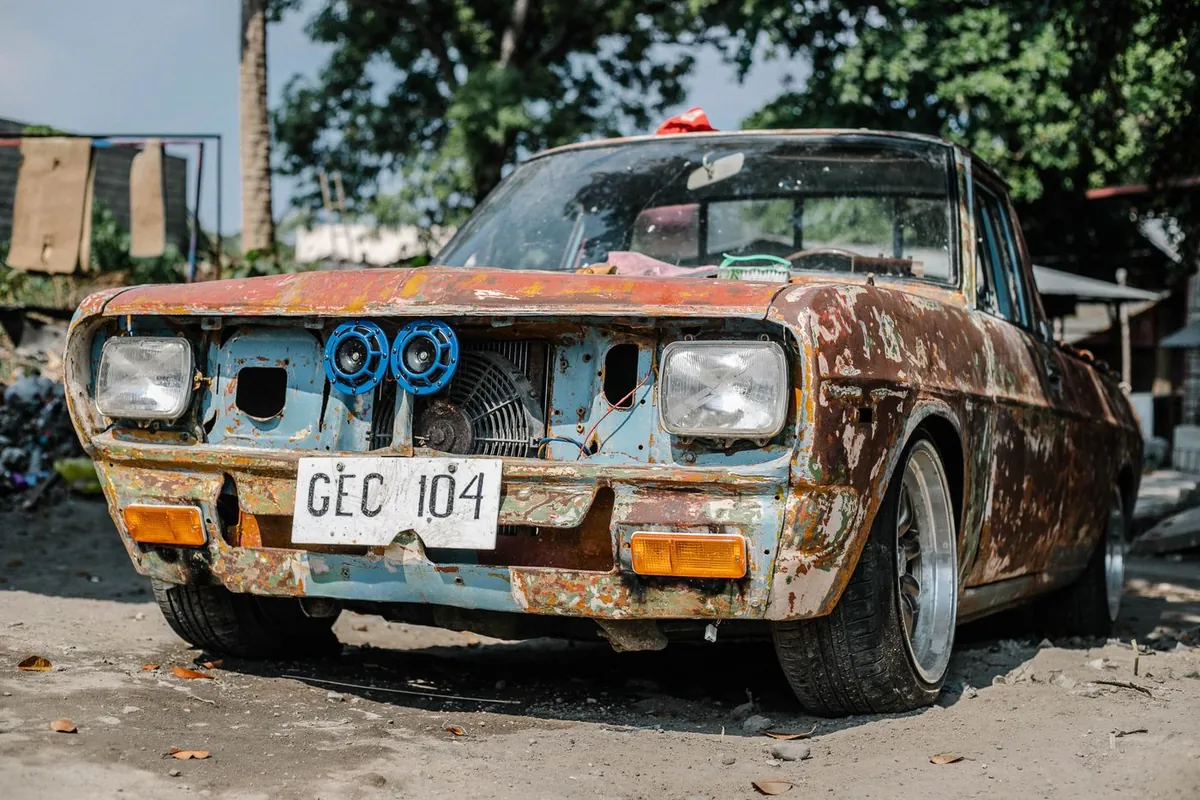
Rust repair and metal fabrication on a classic car: patch or replace panels?
Patch small rust spots in solid metal; replace panels when rot is widespread or reaches seams. How to judge rust stages, and when fabrication saves a car.
 Classic restoration
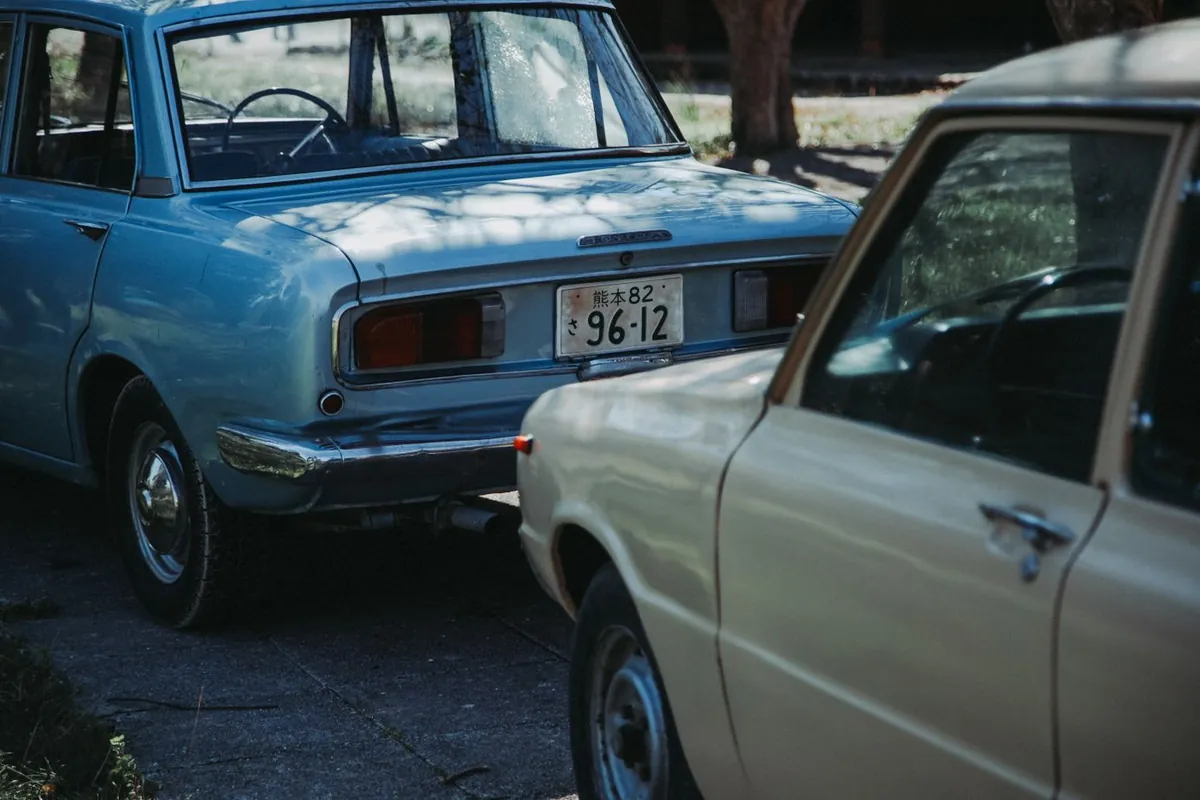
How do antique and classic license plates work in Texas?
Antique plates limit use to shows and parades; Classic plates do not. Compare age rules, fees, forms and custom vehicle rules before you apply in Texas.
 Classic restoration
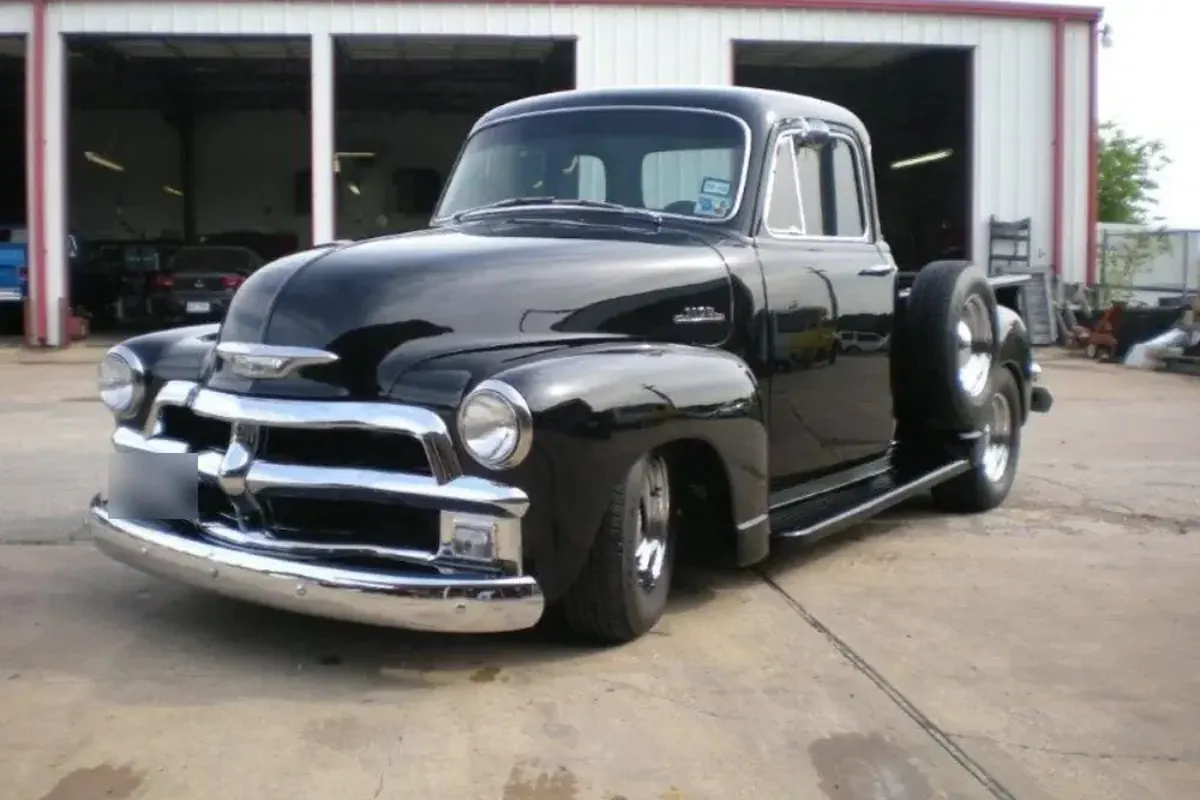
Who restores classic trucks near Dallas, and where do I start?
Start with the frame, the rust and the title, not the paint color. A step-by-step plan for restoring a classic pickup near Dallas, and what to ask a shop.
More: all classic restoration guides, classic restoration, repair by make, reviews and directions to the shop.