
In short
Texas Antique plates (Form VTR-54) are for vehicles at least 25 years old used as collector's items for exhibitions, club activities and parades, not daily driving. Classic plates (Form VTR-850) are for cars, trucks, motorcycles and travel trailers at least 25 years old, with no use restriction on the form and the regular annual registration fee. Choose by how you will use the vehicle.
- Both plate types require the vehicle to be at least 25 years old.
- Antique plates bind you to show, club and parade use; Classic plates have no use limit on the form.
- Antique plates are issued for five years; Classic plates need the annual registration fee.
- Custom vehicles and street rods need an ASE Master Automobile Technician inspection to be eligible for title.
- Forms are dated 8/2019; confirm current fees and rules with your county tax office.
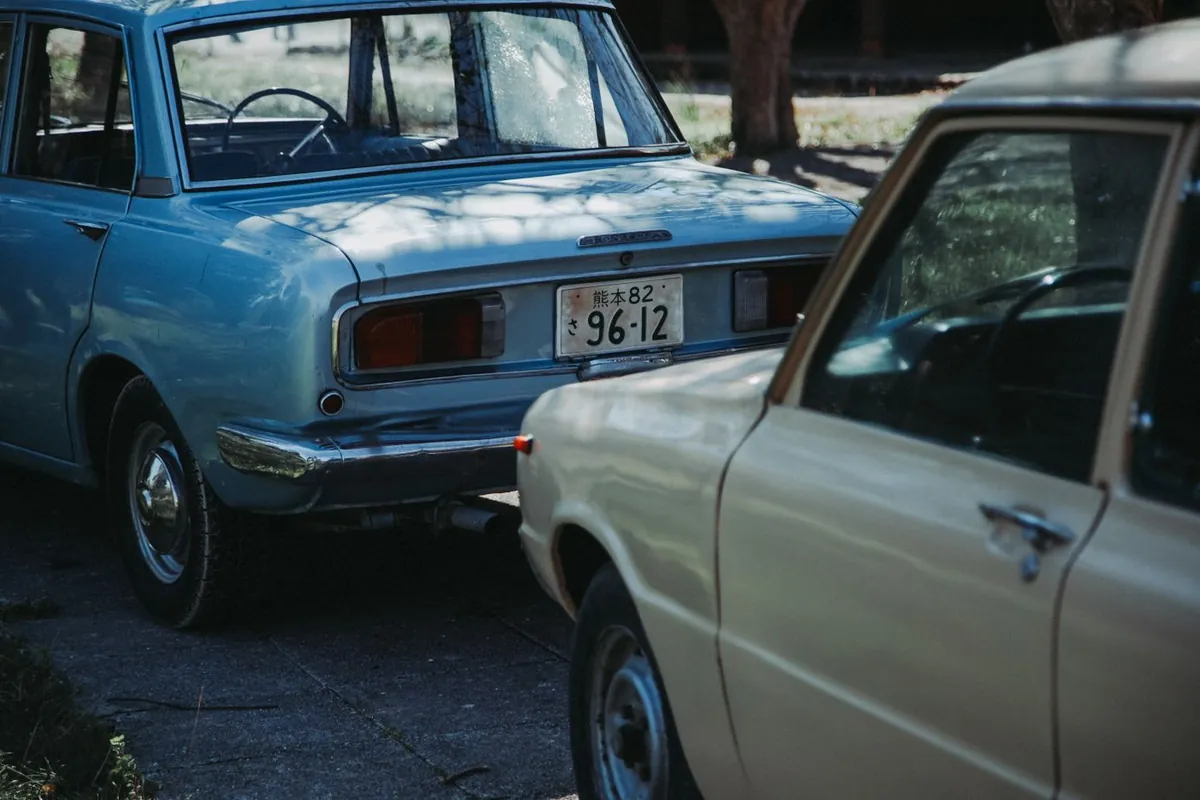
How do antique and classic plates work in Texas?
Texas offers two main plate options for older vehicles, and the difference comes down to how you use the car. Antique plates are for vehicles at least 25 years old that are collector's items used for shows, club events, parades and similar functions, not daily driving. Classic plates are also for vehicles at least 25 years old, but the application form puts no limit on how you use the vehicle; you pay the annual registration fee as usual. If you drive your old car or truck regularly, Classic is usually the fit. If it lives in the garage between car shows, Antique may be.
We are a body shop, not a tax office, so we cannot process plates. But owners restoring a classic at our shop in Balch Springs ask about plates often, because the choice can affect how the vehicle is restored and used. Everything below comes from the Texas Department of Motor Vehicles (TxDMV) forms and manual named in the sources. Forms change, so confirm current rules and fees with your county tax assessor-collector before you apply.
What is the difference between Antique and Classic plates?
The table below puts the two plate types and the related custom and street rod rules side by side. Find the column that matches your vehicle and how you plan to use it.
| Point | Antique plates (Form VTR-54) | Classic plates (Form VTR-850) | Custom vehicle or street rod |
|---|---|---|---|
| Age | At least 25 years old | At least 25 years old | Custom: at least 25 years old and after 1948; street rod: before 1949, or built to resemble one |
| Vehicle types | Collector's vehicle; frame, body and motor at least 25 years old | Passenger cars, trucks, motorcycles and travel trailers | Altered from the original design, or body of non-original materials |
| Use | Exhibitions, club activities, parades and similar; not daily transportation | No use restriction on the form | Ask TxDMV about the plate you apply for |
| Fee on the form | One fee for a five-year period: 50 dollars for 1921 or later, 40 dollars for earlier | No specialty plate fee; annual registration fee applies | Ask your county tax office |
| Extra step | Owner signs a certification about age and use | Personalized plates cost 40 dollars more per year | Inspection by an ASE Master Automobile Technician to be eligible for title |
The fees shown come from form revisions dated 8/2019 and may have changed. Use the table to pick a direction, then check the details with the county before you fill anything out.
What am I agreeing to with Antique plates?
More than many owners realize. On Form VTR-54 the owner certifies that:
- The frame, body and motor are at least 25 years old.
- The vehicle is a collector's item used solely for exhibition, club activities, parades and other functions of public interest.
- It is not a replica or an aftermarket vehicle.
- It will not be used for daily transportation, except when routine maintenance is needed.
- It will not carry advertising.
The form states that falsifying information on it is a third-degree felony. So be honest with yourself about how you will use the car. If it will be your weekend errand car, or you plan to drive it to work now and then, Classic plates avoid the problem.
Antique plates come as one plate, displayed on the rear, issued for five years. The form also lets you use a real Texas license plate from the same year as the vehicle's model year instead of the Antique plate, if it has the original color scheme, is in good readable condition, and the county tax assessor-collector approves it. Replicas of Texas plates are not accepted. Proof of insurance, or DPS Form SR-2, is required when you apply.
What about Classic plates?
Form VTR-850 is simpler. Passenger cars, trucks, motorcycles and travel trailers at least 25 years old qualify. There is no specialty plate fee, but you pay the regular annual registration fee, and personalization costs 40 dollars more per year. The form has no use restriction like the Antique certification, which is why Classic plates suit an old vehicle that is driven.
Note that travel trailers are on the Classic list. If you own a vintage travel trailer that is at least 25 years old, ask your county about Classic plates for it.
Does restoring or modifying my vehicle change which plates I can get?
It can. Ordinary restoration, with rust repair, paint and original-style replacement parts, keeps the vehicle what it was. Bigger changes can move it into another category:
- Antique statement. You certify that the frame, body and motor are at least 25 years old and that the vehicle is not a replica or aftermarket vehicle. A new reproduction body, a modern frame or a modern engine may not fit that statement. Ask the county tax office before you apply.
- Custom vehicle. TxDMV's Assembled and Reconstructed Vehicle Manual defines a custom vehicle as one at least 25 years old, of a model year after 1948 (or built to resemble one), that has been altered from the maker's original design or has a body made of materials not original to the vehicle.
- Street rod. The manual defines a street rod as a vehicle made before 1949, or after 1948 to resemble one made before 1949, altered in the same ways.
- Inspection for title. The manual says custom vehicles, street rods, assembled vehicles, replicas and kit cars must pass an inspection by an ASE Master Automobile Technician, who confirms the vehicle is structurally stable and safe to operate, to be eligible for title. The technician's ASE A1 through A8 credentials must be current at the time.
- Not eligible. The manual's list of assembled vehicles not eligible for title includes nonrepairable and flood-damaged vehicles and vehicles built for off-highway use or racing.
If you are planning a resto-mod or a body swap, settle the title question before the work starts. Our guide on full versus driver-quality restoration covers how plates fit into the restoration plan, and rust repair and fabrication explains replacing panels while keeping the original design.
Which plate fits my situation?
A few common cases, based only on what the forms say. Your county has the final word.
- A restored muscle car you take to shows and the occasional cruise night. Antique plates can fit if shows and club events really are its only use. If you also drive it to dinner on weekends, Classic is the safer choice.
- A 30-year-old pickup you still haul with. Classic plates, since the Antique form rules out daily transportation and advertising, and a work truck often carries both.
- A vintage travel trailer you camp in. Classic plates list travel trailers at least 25 years old, so ask your county about them.
- A hot rod with a new body and a modern engine. Start with the title question, because the custom vehicle and street rod rules, and the ASE Master Automobile Technician inspection, may apply before plates do.
- A barn find that has not run in years. Sort the title and the restoration plan first. Our restoration service can help you judge what the vehicle needs before you choose a plate.
How do I apply, step by step?
- Decide how you will use the vehicle. Shows and parades only, or regular driving. That picks the plate.
- Check the title. Make sure it is in your name and the vehicle identification number matches the vehicle.
- Get the current form from TxDMV: VTR-54 for Antique, VTR-850 for Classic.
- Have insurance in place. The Antique form asks for proof of insurance or DPS Form SR-2.
- Ask the county about other requirements. Dallas County is an emissions county, and the Texas Department of Public Safety says vehicles registered there still need a passing emissions test before registration. Ask the county tax office whether that applies to your vehicle and plate type.
- Apply at your county tax assessor-collector's office. Bring the form, title, ID, insurance and payment.
How ACE Body & Frame helps
ACE Body & Frame has been on S. Peachtree Road in Balch Springs since 1987, serving Balch Springs, Mesquite and the surrounding area, Monday to Friday. We do classic car and truck restoration, auto body and paint, welding and fabrication, frame and suspension repair, glass replacement and upholstery, and we also do state inspections. We cannot issue plates or decide which category your vehicle falls in, but we can help you plan a restoration that fits the plates you want. Keep photos of the work at each stage for your own records. Learn more about our shop.
Estimates are free and computerized, and repairs are satisfaction guaranteed. Call 972-286-0935, or send a few photos and request a free estimate for your classic.
What else should a classic owner know before buying or registering one?
Check the history of any older vehicle you plan to buy and plate. TxDMV says a vehicle that was once branded salvage and later restored carries a "Rebuilt Salvage" title brand in Texas, and its manual says a vehicle issued a Nonrepairable Vehicle Title on or after September 1, 2003 may not be rebuilt, retitled or registered. Our guide on total loss in Texas explains how those titles come about. Look under the car for frame damage or old repairs too; our guide on signs of frame damage lists what to look for.
When the paperwork is clear, the fun part starts. Read classic truck restoration near Dallas and what to ask before a classic paint job, or browse all classic restoration guides. When you are ready, ask us for a restoration estimate and tell us which plates you have in mind.
Questions people ask next
Can I drive my car to work with Antique plates in Texas?
Not according to the Antique plate form. On Form VTR-54 the owner certifies that the vehicle is used solely for exhibition, club activities, parades and similar functions, and will not be used for daily transportation except when routine maintenance is needed. The form warns that falsifying information is a third-degree felony. Classic plates have no such use restriction on the form.
Can I use an old Texas license plate on my classic instead?
With Antique registration, yes, in some cases. Form VTR-54 lets you use an embossed Texas plate from the same year as the vehicle's model year if it has the original color scheme, is in good readable condition, and the county tax assessor-collector approves it. Replicas of Texas plates are not accepted. Ask your county before you buy an old plate.
Does my restored truck qualify for Classic plates?
If it is at least 25 years old, it can. Form VTR-850 lists passenger cars, trucks, motorcycles and travel trailers at least 25 years old as eligible. There is no specialty plate fee, but the annual registration fee applies, and personalization costs more each year. Heavy modifications may raise separate title questions, so ask the county if you changed the body or frame.
Do antique vehicles need an emissions test in Dallas County?
We could not confirm an exemption on an official page. The Texas Department of Public Safety says Dallas County is an emissions county and vehicles registered there still need a passing emissions test before registration. Ask the Dallas County tax office whether your vehicle and plate type are treated differently before you count on skipping the test.
Will a body swap or engine swap affect my Texas title?
It can. TxDMV's Assembled and Reconstructed Vehicle Manual treats vehicles altered from the maker's original design, or built with non-original body materials, as custom vehicles or street rods, which must pass an ASE Master Automobile Technician inspection to be eligible for title. Check with TxDMV or your county tax office before the work begins.
Ready to get it fixed?
ACE Body & Frame, 2922 S. Peachtree Road, Balch Springs. Free computerized estimates, all insurance claims accepted.
Sources
- TxDMV Application for Antique License Plate (Form VTR-54, Rev 8/2019)
- TxDMV Application for Classic License Plates (Form VTR-850, Rev. 8/2019)
- TxDMV Assembled and Reconstructed Vehicle Manual, October 2025
- Texas DPS news release HQ 2025-001, "Vehicle Safety Inspection Program Changes Now in Effect" (January 3, 2025)
- TxDMV, "Rebuilt Vehicles" (Title Check)
- TxDMV Salvage/Nonrepairable Motor Vehicle Manual, January 2026
Read next
 Classic restoration
Paint job for a classic car in the Mesquite area: what should I ask first?
Ask about stripping, rust, filler and color matching before you pick a color. The questions that separate a lasting classic paint job from a quick one.
 Classic restoration
Rust repair and metal fabrication on a classic car: patch or replace panels?
Patch small rust spots in solid metal; replace panels when rot is widespread or reaches seams. How to judge rust stages, and when fabrication saves a car.
 Classic restoration
Who restores classic trucks near Dallas, and where do I start?
Start with the frame, the rust and the title, not the paint color. A step-by-step plan for restoring a classic pickup near Dallas, and what to ask a shop.
More: all classic restoration guides, classic restoration, repair by make, reviews and directions to the shop.