
In short
Choose the level that matches how you will use the vehicle. A driver-quality restoration makes a classic solid, safe and good looking and leaves sound original parts alone, while a full restoration takes the vehicle apart and finishes every surface to one standard. In Texas the choice also matters for plates, because the Antique plate application limits the vehicle to exhibitions, club activities and parades.
- Driver quality suits a classic you plan to drive; full restoration suits rare or very rough vehicles.
- Hidden rust and how far the vehicle comes apart drive the cost more than the make does.
- Texas Antique plates restrict use; Classic plates on Form VTR-850 carry no use restriction.
- Work can be staged: structure first, then metal, paint, glass and trim, interior last.
- Ask any shop to describe the work in writing, area by area, not just name a level.
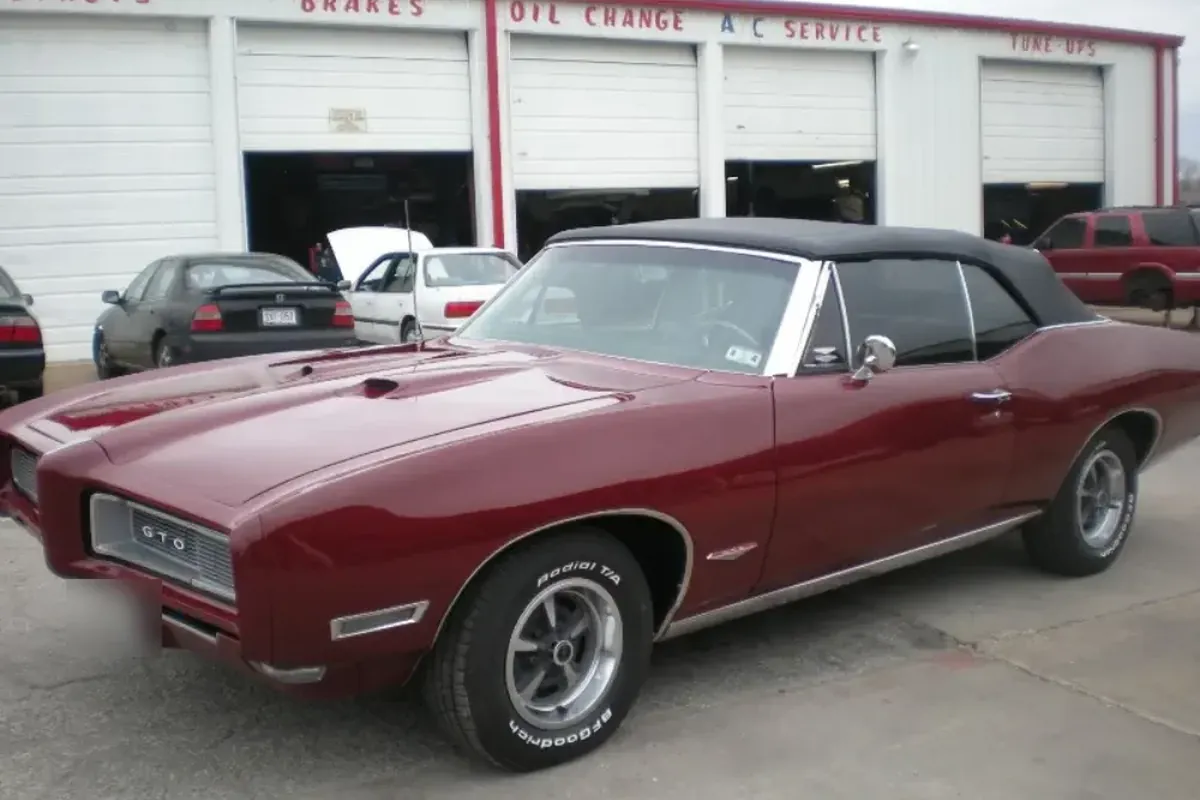
Full restoration or driver quality: which one fits my car?
Pick the level that matches how you will use the vehicle. If you plan to drive it on weekends, take it to local cruise nights and park it at the grocery store without worrying, a driver-quality restoration is usually the right call. If you want the car to be as correct and as finished as it can be, underneath as well as on top, and you accept that the job is bigger in every way, you want a full restoration.
Neither level is "better". A driver-quality car that gets used every month gives most owners more enjoyment than a perfect car that never leaves the garage. A full restoration makes sense when the vehicle is rare, when it has family history you want to honor, or when the body is so far gone that it has to come apart anyway.
Look at three things together: how you will use it, the condition of the metal today, and how much of the car you are prepared to take apart.
What is the real difference between the two levels?
The words are used loosely, so always ask a shop to describe the work, not the label. In general terms, a driver-quality restoration makes the vehicle solid, safe, good looking and reliable, and leaves alone what is already sound. A full restoration takes the vehicle down to its shell, deals with every panel, seam and surface, and puts it back together to one consistent standard.
The table below compares how each level usually treats the main parts of the job.
| Part of the job | Driver-quality restoration | Full restoration |
|---|---|---|
| Disassembly | Trim, bumpers, lights and glass come off as needed. The body usually stays on the frame. | The vehicle is taken apart completely. On a body-on-frame car or truck the body may be lifted off the frame. |
| Rust and metal | Rust that affects strength or shows through is cut out and repaired. Sound original metal stays. | Every panel is checked. Weak metal is replaced or fabricated, including areas nobody will see. |
| Paint | A clean, even finish in the color you choose. Small flaws in hidden places are accepted. | Door jambs, engine bay, underside of the hood and trunk are finished to the same standard as the outside. |
| Chrome, trim and glass | Good pieces are cleaned and reused. Damaged ones are replaced. | Each piece is restored or replaced so that nothing looks older than the rest. |
| Interior | Seats, carpet and door panels are repaired or recovered where they are worn. | The whole interior is redone as a set. |
| Mechanical | Brakes, steering, suspension and wiring are made safe and dependable. | Systems are rebuilt or renewed to match the finish of the body. |
| Best for | Owners who want to drive and enjoy the vehicle. | Rare vehicles, family heirlooms and cars that are too rough for anything less. |
Mark the column you would be happy with in each row. If two or three rows matter most, a shop can often do those to the higher standard and keep the rest simple.
How do I decide what my classic actually needs?
Start with honest answers to a few questions. Write them down and bring them with you, because they shape the estimate more than the make or the year does.
- How will I use it? Regular driving, an occasional show, a gift for a family member, or resale. A car that will be driven in Texas heat and summer rain needs sound seals and dependable brakes more than it needs a perfect underside.
- How much rust is there, and where? Surface rust on a fender is a small job. Rust in floor pans, rocker panels, cab corners or around the windshield changes the plan. Our guide to rust repair and metal fabrication explains when a patch is enough and when the panel should go.
- Do I care about originality? If you want the factory color, the correct trim and original style parts, say so at the start. If you want modern brakes, a different color or a different drivetrain, that is a different project with its own paperwork questions.
- Is the vehicle complete? Missing trim, glass and interior pieces can take longer to find than the body work takes to do.
- What has been done before? Old repairs, thick filler and earlier repaints are common on vehicles of this age. They often stay hidden until the paint comes off.
If you are still at the very beginning with a pickup, our guide on where to start with a classic truck restoration covers the first inspection in more detail.
What makes one restoration cost more and take longer than another?
Two vehicles of the same model can need very different amounts of labor. These are the things that move the number and the calendar.
- Hidden metal damage. This is the biggest unknown. Nobody can see through paint and filler. A fair estimate says clearly what is included and how extra work will be approved once the metal is bare.
- How far the vehicle comes apart. Every part that is removed has to be labeled, stored, cleaned and refitted. Full disassembly multiplies the hours.
- Parts supply. Popular trucks and muscle cars have good reproduction parts. For less common models, panels and trim may have to be found used or made by hand.
- The paint standard. Bodywork under the paint is where the time goes. Straighter panels and a deeper finish mean more blocking and more preparation. See our list of questions to ask before a classic car paint job.
- Changes along the way. Deciding on a new color or added work in the middle of the job is allowed, but it resets part of the plan.
A driver-quality job limits the first two items on purpose, which makes it more predictable. A full restoration accepts all five.
Does the level of restoration change which Texas plates I can use?
It can, and it is worth deciding before the work starts. Texas offers two common plate types for older vehicles, and they suit different kinds of owners.
- Antique plates. The Texas Department of Motor Vehicles application for an Antique plate, Form VTR-54, covers vehicles at least 25 years old. On that form the owner signs a statement that the vehicle is a collector's item used solely for exhibition, club activities, parades and other functions of public interest, that it is not a replica, and that it will not be used for daily transportation except when routine maintenance is needed. One plate is issued for a five-year period and goes on the rear of the vehicle.
- Classic plates. Form VTR-850 says passenger cars, trucks, motorcycles and travel trailers at least 25 years old qualify. The form lists no specialty plate fee, but the regular annual registration fee must be paid, and it does not include the use restriction found on the Antique form.
So a show car that only goes to events fits the Antique plate, while a driver-quality car that you plan to use often is a better match for Classic plates. Both forms are dated 2019, so confirm current fees and rules with your county tax office before you apply. We explain both plate types in our guide to antique and classic license plates in Texas.
Modifications matter too. The TxDMV Assembled and Reconstructed Vehicle Manual describes a custom vehicle as one at least 25 years old, of a model year after 1948, that has been altered from the manufacturer's original design or has a body built from materials not original to the vehicle. A street rod is the similar category for vehicles made before 1949. The manual says vehicles in those categories must pass an inspection by an ASE Master Automobile Technician to be eligible for title. If your plan includes a body swap, a kit body or major changes to the original design, ask the county tax office or TxDMV how your vehicle will be classified before you spend money on the build.
Can I restore the vehicle in stages?
Yes, and many owners do. The order matters, because some work has to be finished before other work can begin.
- Make it safe and structurally sound. Frame, floor, body mounts, brakes, steering and suspension come first. There is no point painting over a weak structure.
- Repair the metal. Rust repair, panel replacement, welding and fabrication are done before any finish work.
- Body and paint. Once the metal is right, the panels are straightened, primed and painted. If you may repaint a section later, read how shops approach matching new paint to the rest of the vehicle.
- Glass, trim and seals. New rubber and glass go in after paint so that edges are covered properly.
- Interior. Upholstery, carpet and headliner are last, so they are not exposed to dust and overspray.
The main risk with staging is bare or primed metal left exposed for a long time. Ask how the vehicle will be protected between stages. If old paint is already failing, see our guide to peeling clear coat and faded paint.
What should I ask a restoration shop, and what should I bring?
These questions separate a clear plan from a vague promise.
- What exactly is included at the level I am choosing? Ask for it in writing, area by area.
- How will you tell me about hidden damage? Ask whether you will see photos or the bare metal itself before extra work is approved.
- Who does the metal work, the paint and the interior? Find out which parts are done in the shop and which are sent out.
- Where do the parts come from? Reproduction, used original or fabricated. Each has a place.
- Can I see vehicles you have finished? Photos of past work at both levels tell you more than any description. Some of ours are on the our work page.
Bring the title or registration, any history (old photos, receipts, repair records), a list of parts you already own, and your written answers from above.
How ACE Body & Frame helps
ACE Body & Frame has been on S. Peachtree Road in Balch Springs since 1987, and classic car and truck restoration is one of the services we offer alongside collision work. A restoration needs several trades, and our services cover them: auto body and paint, suspension and frame repair, welding, fabrication, glass replacement, fiberglass repair and upholstery. We also do foreign and domestic automotive service and diagnostics, so the mechanical side can be looked at together with the body.
We start with a free computerized estimate and a plain conversation about which level fits how you will use the vehicle. Our repairs are satisfaction guaranteed. You can read about the shop on our about page, see the full list of services, or browse more classic restoration guides.
To talk through your project, call 972-286-0935, Monday to Friday, or request a free estimate and tell us the year, make and model and what you hope to end up with. If you already know you want the larger job, our restoration service page explains how we work, and you can send us photos and ask for a free estimate before you bring the vehicle in.
Questions people ask next
Can a driver-quality restoration be upgraded to a full restoration later?
Partly. Structural and metal repairs done properly the first time carry over. Paint is different: a higher finish standard usually means stripping and redoing bodywork, so the first paint job is not a step toward the second. If you think you may want a full restoration one day, tell the shop at the start so the early stages are planned around it.
Does my classic qualify for Texas Antique plates if I drive it to work sometimes?
Probably not. On Form VTR-54 the owner signs a statement that the vehicle is used solely for exhibition, club activities, parades and similar functions, and not for daily transportation except when routine maintenance is needed. Classic plates under Form VTR-850 have no such use restriction on the form. Confirm current rules with your county tax office.
Will changing the engine or body affect my Texas title?
It can. The TxDMV Assembled and Reconstructed Vehicle Manual defines custom vehicles and street rods as older vehicles altered from the original design or built with non-original body materials, and says they must pass an inspection by an ASE Master Automobile Technician to be eligible for title. Ask TxDMV or your county tax office how your planned changes would be classified before you start.
Why can't a shop give a firm price for a restoration up front?
Because the biggest cost, hidden rust and old repairs, cannot be seen until paint and filler come off. A fair estimate states what is included, what is assumed about the metal, and how extra work will be shown to you and approved. Be careful with any quote on an old vehicle that does not mention hidden damage at all.
Do you work on classic trucks as well as cars?
Yes. ACE Body & Frame offers classic car and truck restoration at 2922 S. Peachtree Road in Balch Springs, along with frame and suspension repair, welding, fabrication, paint, glass and upholstery. We start with a free computerized estimate and a conversation about how you plan to use the truck, so the level of work fits the purpose.
Ready to get it fixed?
ACE Body & Frame, 2922 S. Peachtree Road, Balch Springs. Free computerized estimates, all insurance claims accepted.
Sources
- TxDMV Application for Antique License Plate (Form VTR-54, Rev 8/2019)
- TxDMV Application for Classic License Plates (Form VTR-850, Rev. 8/2019)
- TxDMV Assembled and Reconstructed Vehicle Manual, October 2025
Read next
 Classic restoration
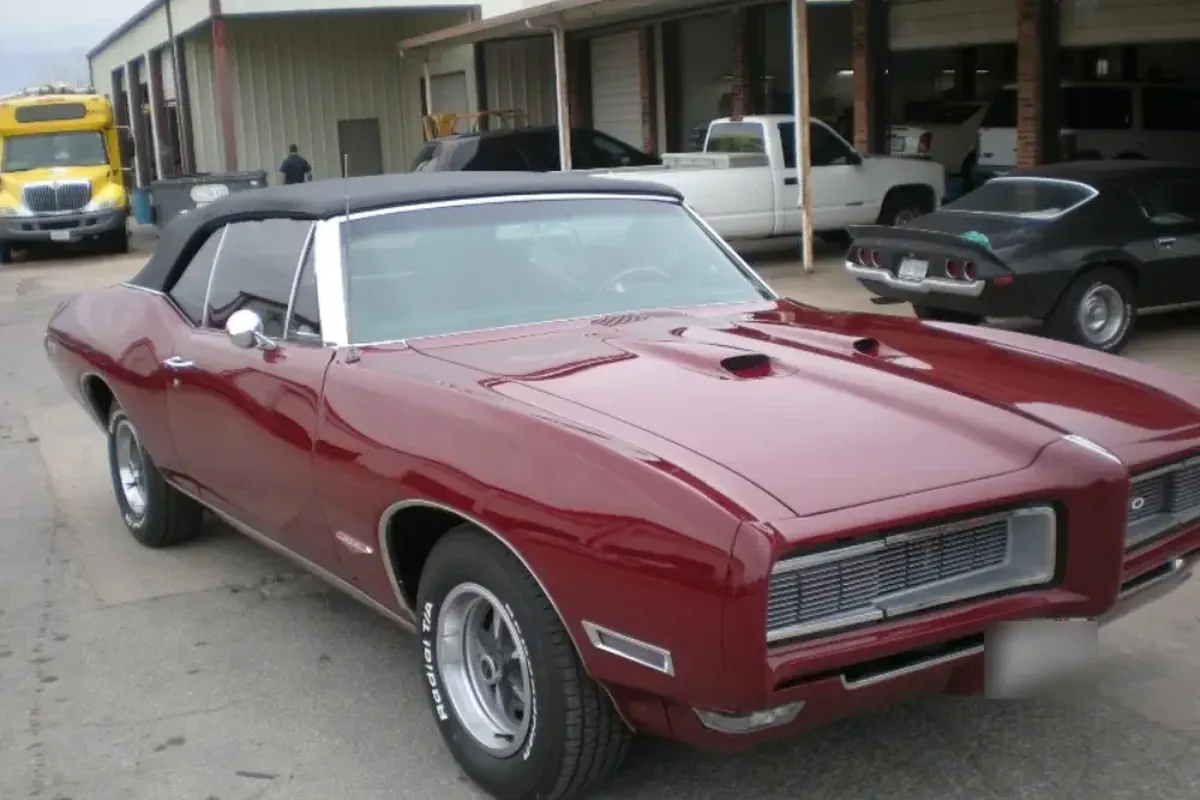
Paint job for a classic car in the Mesquite area: what should I ask first?
Ask about stripping, rust, filler and color matching before you pick a color. The questions that separate a lasting classic paint job from a quick one.
 Classic restoration
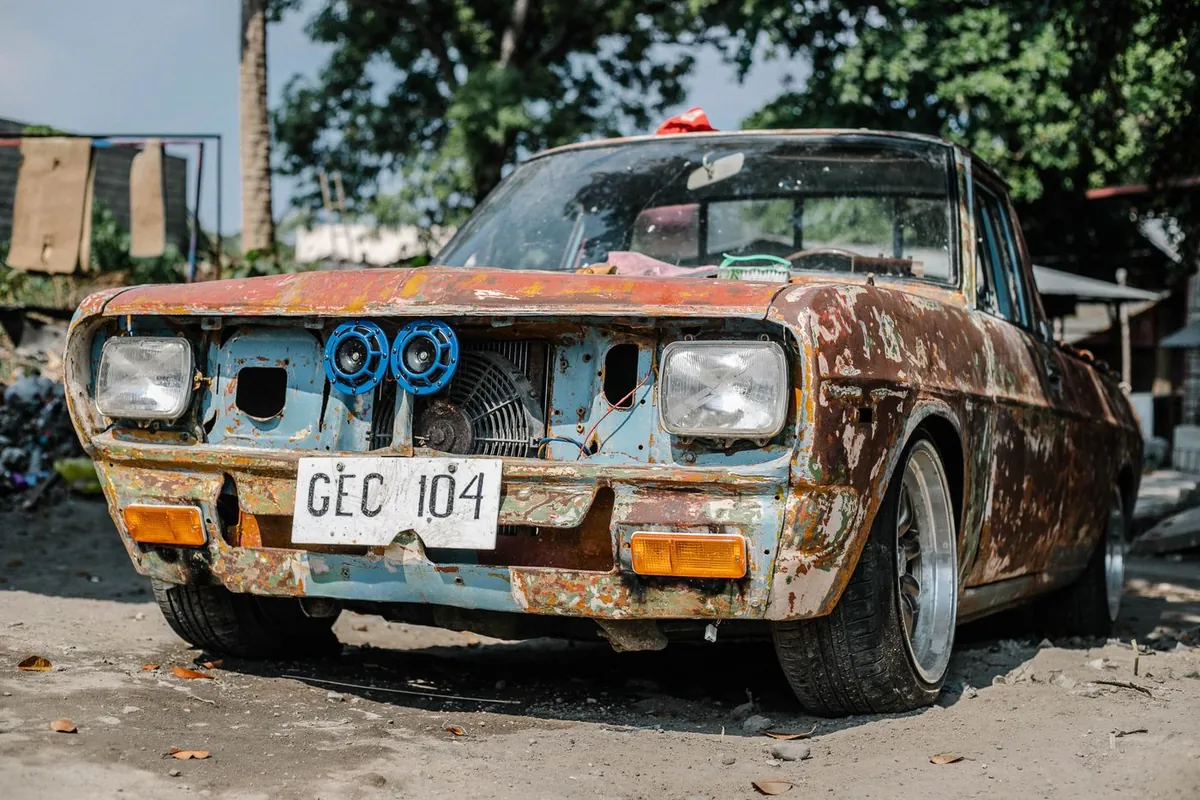
Rust repair and metal fabrication on a classic car: patch or replace panels?
Patch small rust spots in solid metal; replace panels when rot is widespread or reaches seams. How to judge rust stages, and when fabrication saves a car.
 Classic restoration
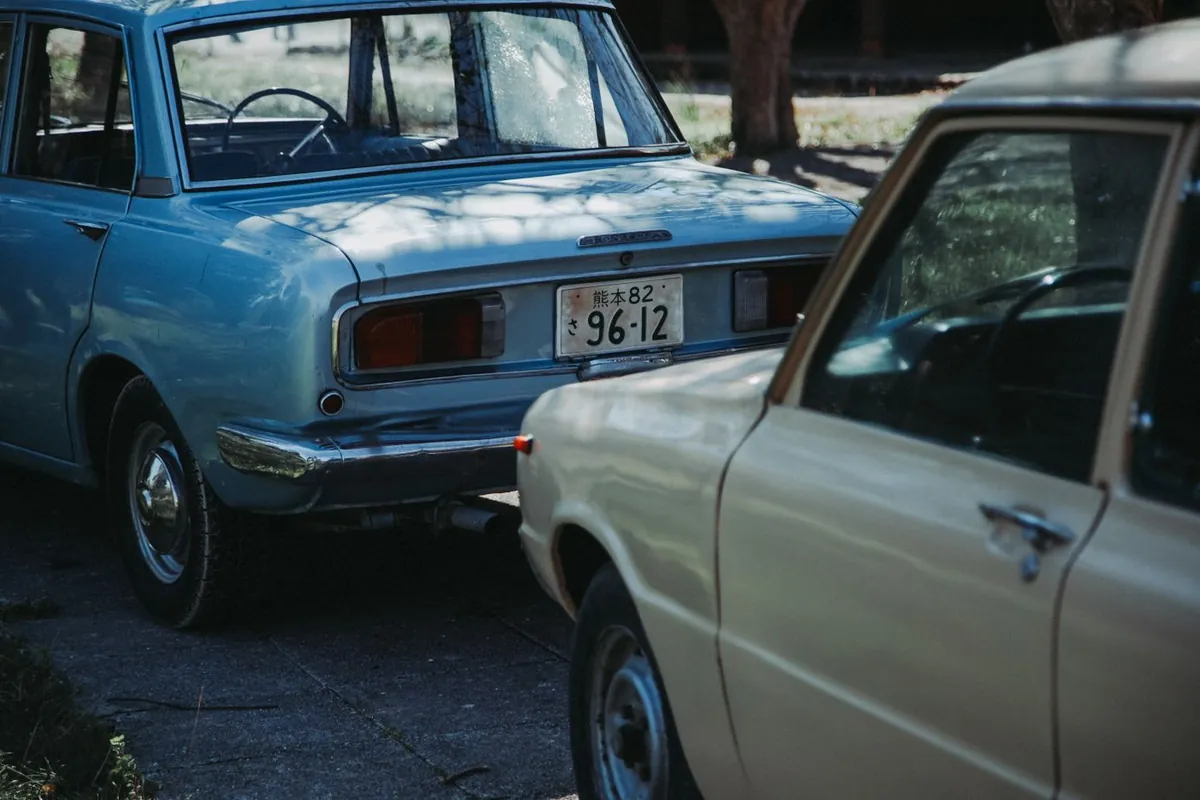
How do antique and classic license plates work in Texas?
Antique plates limit use to shows and parades; Classic plates do not. Compare age rules, fees, forms and custom vehicle rules before you apply in Texas.
More: all classic restoration guides, classic restoration, repair by make, reviews and directions to the shop.