
In short
Start with an honest inspection of the frame, the cab and the rust, and check the title before anything comes apart. A shop that does frame, welding, fabrication, body and paint in one place suits a classic pickup, because old trucks usually need all of them. Decide how you will use the truck first; that sets the scope and the budget.
- Inspect the frame, cab corners, floors and bed first; that is where trucks hide rust.
- Decide how you will use the truck before choosing the level of restoration.
- Check the title and numbers before the truck is taken apart.
- Custom builds and street rods need an ASE Master Automobile Technician inspection for a Texas title.
- Work from structure to finish: frame, rust, bodywork, paint, then glass, trim and interior.
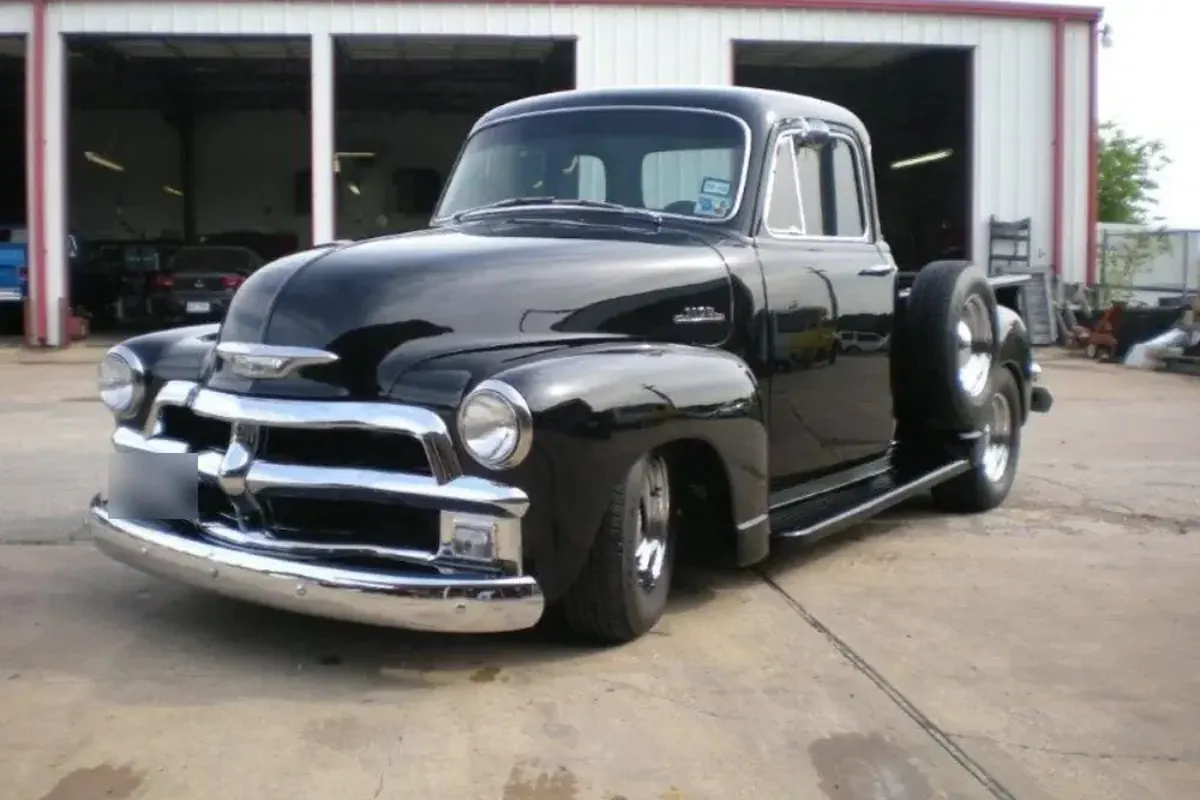
Who restores classic trucks near Dallas, and where should I start?
Start with an honest inspection of the truck, not with paint colors. A shop that does body, frame, welding, fabrication and paint in one place is the natural fit for a classic pickup, because old trucks almost always need all of them. Before anyone quotes a full job, you want three answers: how sound the frame and cab are, how much rust is hiding, and whether the title and numbers are in order. Everything else in the plan follows from those.
We restore classic cars and trucks at our shop on S. Peachtree Road in Balch Springs, southeast of downtown Dallas, as part of our classic car and truck restoration work. This guide walks through the order we suggest to any owner, whether the truck is a family heirloom that has sat in a barn or a weekend driver that needs its rust dealt with.
What is different about restoring a truck instead of a car?
Most classic pickups are built body-on-frame: a separate ladder frame carries the engine, suspension and bed, and the cab and bed bolt on top. That has real advantages for restoration. The cab and bed can come off, the frame can be inspected and repaired on its own, and panels can be worked on separately. Our guide on unibody versus body-on-frame repair explains the difference in more detail.
Trucks also lived harder lives than most cars. They hauled, towed and sat outside. That shows up in predictable places:
- Cab corners and rocker panels, where water and dirt collect behind the doors.
- Floor pans and cab mounts, often rusted from leaking windshield and door seals.
- Bed floors and bed sides, especially wood floors and the steel under them.
- Frame rails near spring hangers and crossmembers, where old cracks and repairs hide under grease.
- Fenders and the area behind the headlights, where mud packs in.
Knowing these spots lets you judge a truck quickly, and judge a shop's inspection too.
How do I decide how far to take the restoration?
The table below links what you plan to do with the truck to the scope of work that usually fits it. Your answer to the first column shapes the budget more than the truck's make or year.
| How you will use the truck | Scope that usually fits | What to prioritize |
|---|---|---|
| Drive it often, around town and on the highway | Solid, safe driver: frame, brakes, steering, rust repair, good paint | Structure and safety first, then looks |
| Weekend cruiser and local car shows | Driver plus: cleaner paint, rebuilt trim, fresh interior | Paint and panel fit, interior |
| Work truck that still earns its keep | Repair what is broken, protect what is sound | Frame, bed floor, rust prevention |
| Show truck or rare model | Cab and bed off, everything restored to one standard | Correct parts, documentation, finish quality |
| Modified build with a different engine or body | Custom or street rod style work | Engineering, title rules, inspection before the build |
Pick your row before you talk price. If you are torn between two rows, our guide on full versus driver-quality restoration compares them side by side.
What should I check on the paperwork before work begins?
Paperwork problems are easier to solve before the truck is in pieces. Check these first:
- Title. Make sure the title is in your name and the vehicle identification number on it matches the truck. Old trucks sometimes carry numbers in places that are hard to find, so take photos of every number plate you locate.
- Plates you want. The Texas Department of Motor Vehicles (TxDMV) offers Antique plates for vehicles at least 25 years old, with use limited to exhibitions, club activities, parades and similar events, and Classic plates for vehicles at least 25 years old with no use restriction on the form. Our guide to antique and classic plates in Texas explains both.
- Planned modifications. TxDMV's Assembled and Reconstructed Vehicle Manual defines a custom vehicle as one at least 25 years old, model year after 1948, that has been altered from the maker's original design or has a body built from non-original materials. Pre-1949 trucks altered the same way fall under its street rod definition. The manual says these must pass an inspection by an ASE Master Automobile Technician to be eligible for title. If you plan a different engine, a new body or a heavily changed frame, ask TxDMV or your county tax office how your build will be classified before you start.
What happens first when a classic truck comes into the shop?
The order matters more than any single step. A sensible restoration goes from the bottom up and from structure to finish:
- Look and record. Photograph the whole truck, inside and out, before anything comes apart. Bag and label parts as they are removed.
- Inspect the frame. Check it for cracks, bends, old weld repairs and rust. Our guide on whether a bent truck frame can be repaired covers what can be fixed.
- Strip and assess the metal. Paint and filler come off the problem areas so rust and old repairs can be seen. This is where the real scope is set.
- Repair structure and rust. Frame work, cab mounts, floors, cab corners and rockers are repaired or replaced. See rust repair and fabrication for patch versus panel decisions.
- Bodywork and panel fit. Doors, fenders, hood and bed are aligned so gaps are even before paint.
- Paint. Primer, color and clear, then color sanding if the finish calls for it. Our guide on what to ask before a classic paint job helps here.
- Glass, trim, wiring and interior. New seals, glass, upholstery and wiring go in last, on a clean, sealed body.
Mechanical work on the engine, brakes and suspension can run alongside the body work, but the brakes and steering should be sound before the truck is driven again.
What makes a truck restoration cost more or take longer?
We do not quote prices on a page like this, because no two old trucks are the same. These are the things that move the number:
- Hidden rust. The single biggest unknown. It cannot be fully seen until paint and filler come off.
- Previous repairs. Thick filler, pop-riveted patches and brazed seams often have to be cut out and redone.
- Parts supply. Popular pickups have plenty of reproduction panels. Rare models may need panels fabricated by hand.
- How far it comes apart. A cab-off restoration takes more labor than repairing in place.
- Finish standard. Show-level paint and panel gaps take far more hours than a clean driver finish.
- Changes along the way. Adding features mid-job is the most common reason restorations run long.
A fair estimate lists what is included, what is assumed about hidden metal, and how added work will be shown to you and approved before it is done.
What should I ask a restoration shop before I hand over the keys?
A restoration can keep a truck in the shop for a long stretch, so choose the shop as carefully as the parts. Ask any shop, including us:
- Will you show me the bare metal before rust repair starts, with photos I can keep?
- Which work is done here, and what goes out to other shops, such as engine machining or chrome plating?
- How will you store and label the parts that come off my truck?
- How do you handle added work? You want a written change, with the reason and the cost, approved by you before it is done.
- How will I get updates, and how often?
- Can I see a truck you have restored, or photos of one at each stage?
- Who orders parts, and what happens when a reproduction panel does not fit well?
Clear answers to these, in writing where possible, protect both sides. The goal is no surprises: you know what is being done, why, and in what order. Visit the shop too. A clean, organized space with projects in progress tells you a lot about how your own truck will be handled.
How ACE Body & Frame helps
ACE Body & Frame has been on S. Peachtree Road in Balch Springs since 1987, serving Balch Springs, Mesquite and the surrounding area, Monday to Friday. Our services include classic truck restoration, frame and suspension repair, welding, fabrication, auto body and paint, glass replacement, fiberglass repair and upholstery, so one plan can cover the truck from frame to interior. Foreign and domestic automotive service and diagnostics are on the list too, and towing is available for a truck that does not run.
Estimates are free and computerized, and repairs are satisfaction guaranteed. You can see examples on our work and find related answers among our classic restoration guides. Call 972-286-0935, or send a few photos of the frame, cab corners and floors and request a free estimate.
What should I bring to the first visit?
A first visit goes further when you bring:
- The title and any registration history you have.
- Photos of the truck as it was, especially old family photos, which help with original colors and trim.
- Every part you own for it, including spare panels, trim and boxes of parts from earlier projects.
- Your goal in one sentence: driver, show, work or custom.
- A rough budget ceiling, so the plan can be staged to fit it.
- Receipts or notes about earlier repairs, if any.
From there we can talk through what we see and what order makes sense. When you are ready to start, ask us for a classic truck estimate.
Questions people ask next
Should I restore my classic truck with the cab and bed off?
It depends on the frame and the goal. Taking the cab and bed off lets the frame be inspected, repaired and refinished fully, and it is usual for show-level work or a frame with serious rust. For a driver truck with a sound frame, repairing in place can be enough. A frame inspection with the truck on a lift helps decide.
Can a classic truck with a rusted frame be saved?
Often, yes. Surface rust can be cleaned and protected, and rusted sections of a ladder frame can usually be cut out and replaced with new steel by welding and fabrication. A frame rusted through in many places, or one that is cracked and bent badly, may be better replaced. The inspection should tell you which you have.
Do I need special plates for a classic truck in Texas?
Not necessarily, but you have options. TxDMV offers Antique plates for vehicles at least 25 years old, limited to exhibitions, club activities and parades, and Classic plates for vehicles at least 25 years old with no use restriction on the form. Classic plates still require the annual registration fee. Check current rules with your county tax office.
Will swapping the engine in my old truck change its title?
It can. TxDMV's Assembled and Reconstructed Vehicle Manual defines custom vehicles and street rods as vehicles altered from the original design or built with non-original body materials, and says they must pass an ASE Master Automobile Technician inspection to be eligible for title. Ask TxDMV or your county tax office how your plan will be classified before you begin.
Can I restore my truck in stages to spread out the cost?
Yes, and many owners do. A good order is frame and brakes first, then rust repair and floors, then bodywork and paint, then glass, trim and interior. Each stage leaves the truck in better shape than before. Tell the shop your plan at the start so early work is done in a way that suits the later stages.
Ready to get it fixed?
ACE Body & Frame, 2922 S. Peachtree Road, Balch Springs. Free computerized estimates, all insurance claims accepted.
Sources
- TxDMV Application for Antique License Plate (Form VTR-54, Rev 8/2019)
- TxDMV Application for Classic License Plates (Form VTR-850, Rev. 8/2019)
- TxDMV Assembled and Reconstructed Vehicle Manual, October 2025
Read next
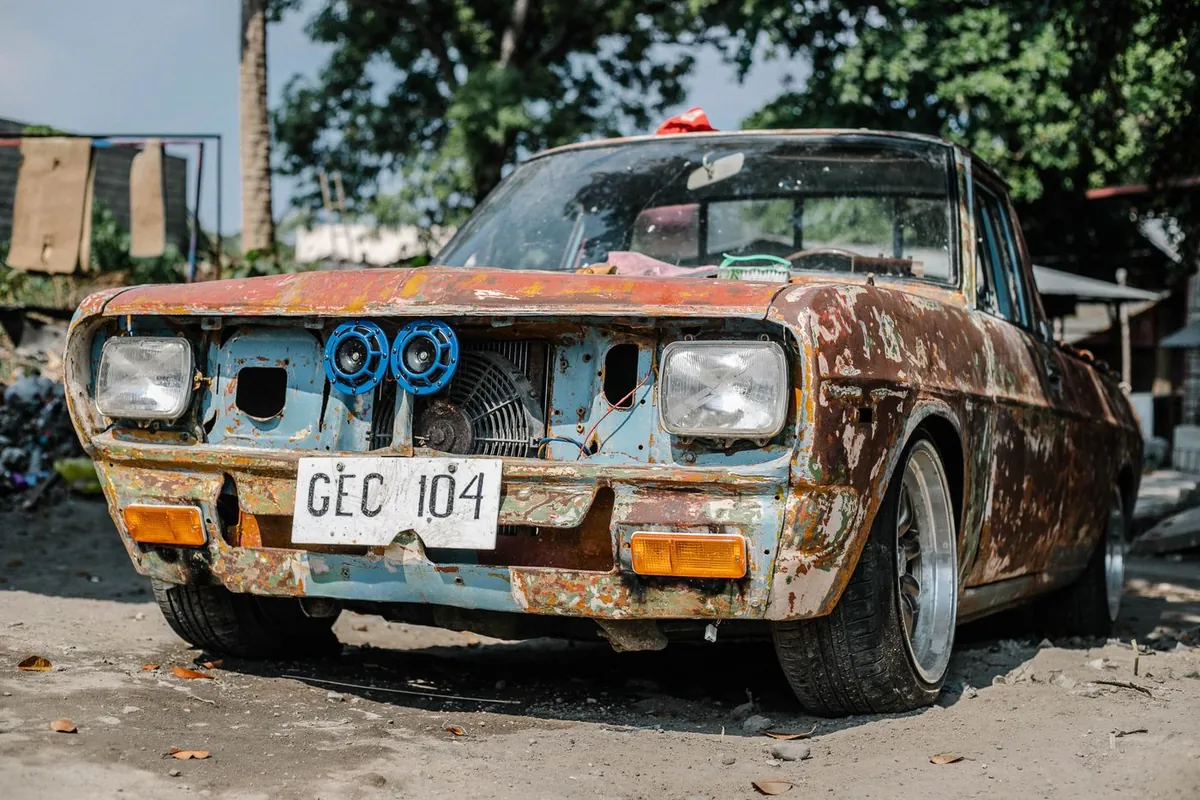 Classic restoration
Rust repair and metal fabrication on a classic car: patch or replace panels?
Patch small rust spots in solid metal; replace panels when rot is widespread or reaches seams. How to judge rust stages, and when fabrication saves a car.
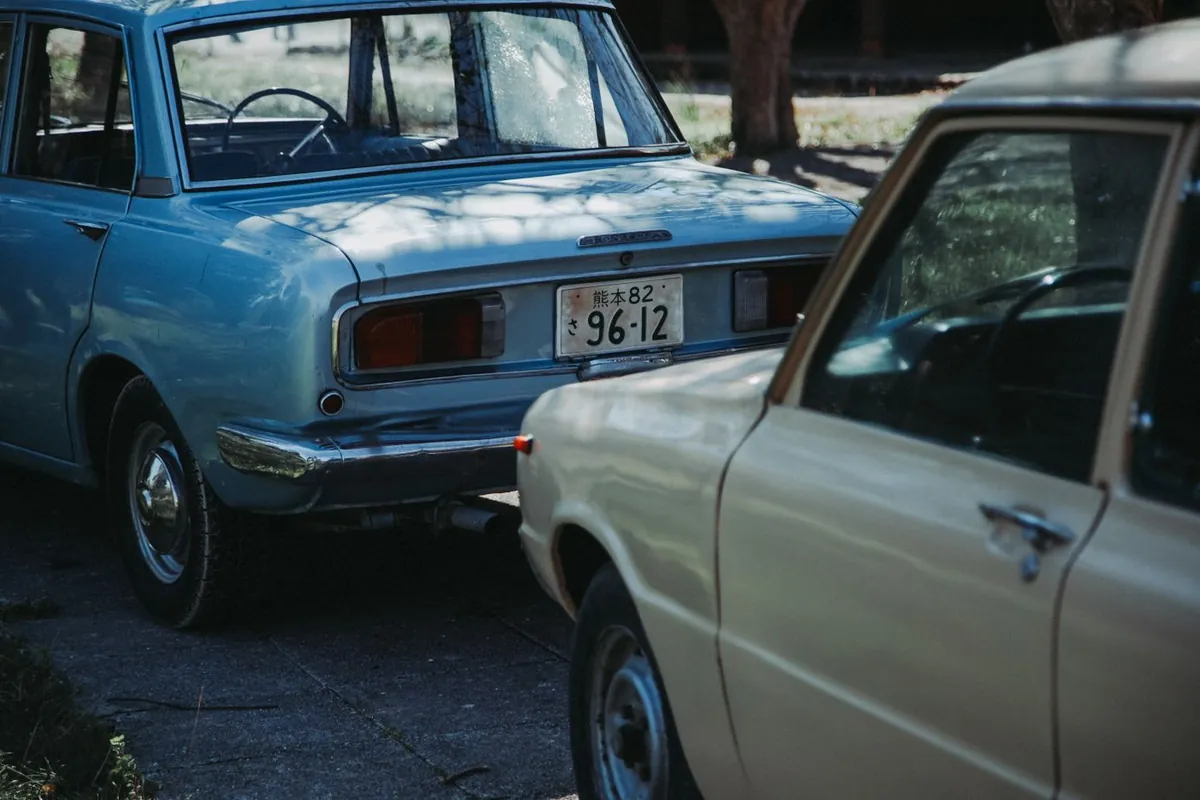 Classic restoration
How do antique and classic license plates work in Texas?
Antique plates limit use to shows and parades; Classic plates do not. Compare age rules, fees, forms and custom vehicle rules before you apply in Texas.
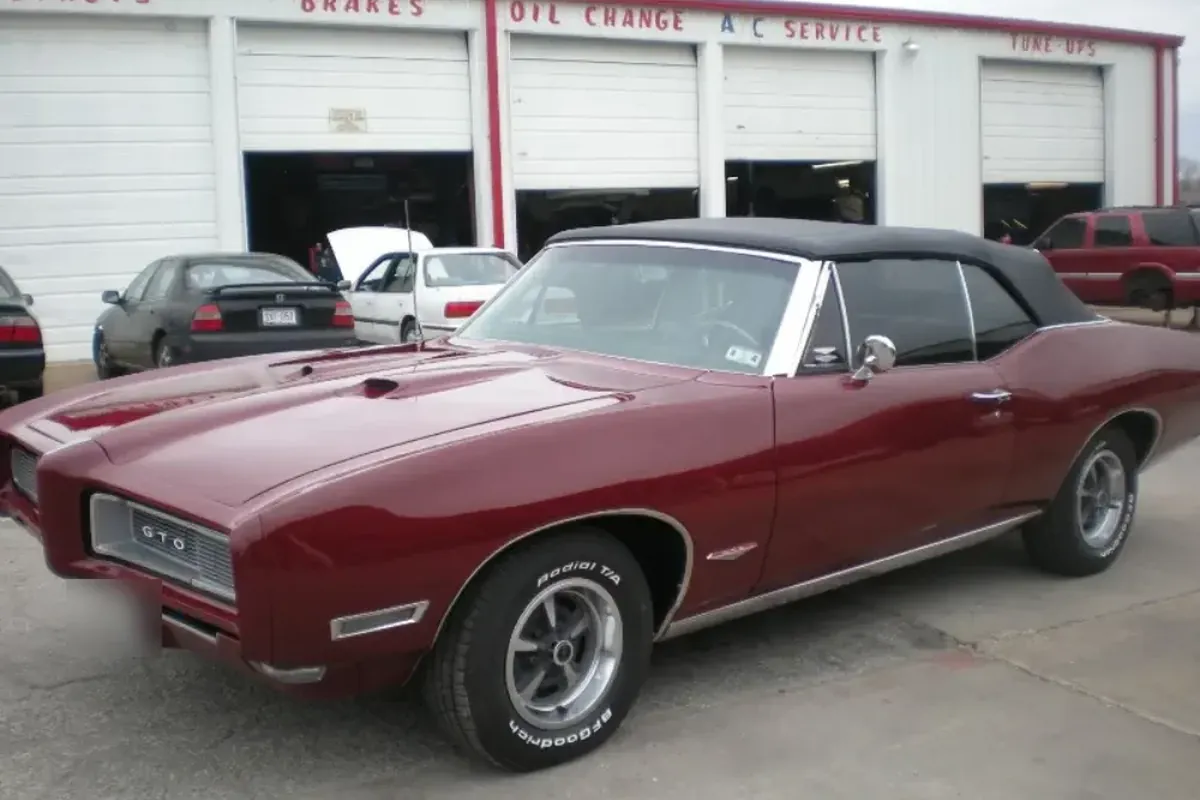 Classic restoration
Full restoration or driver-quality restoration: which is right for my classic?
Choose by how you will use the car. See what each restoration level includes, what drives the cost, and how it affects Texas antique or classic plates.
More: all classic restoration guides, classic restoration, repair by make, reviews and directions to the shop.