
In short
Yes. A service body truck is a pickup or chassis cab with a compartment body on top, so a good repair covers both: the cab and frame follow the truck maker's procedures, and the body needs metal work, welding, fabrication, door and latch repair and matching paint. Always check the frame under the body after a hit.
- Treat the chassis and the service body as two repairs that must both be right.
- Damage travels: a bent rear step can shift the body and reach the frame.
- Frame sectioning is allowed only where the maker's repair information supports it.
- Do not run the truck with a compartment door that will not latch or body lights that fail.
- Empty the compartments, leave every key and list all add-on equipment before drop-off.
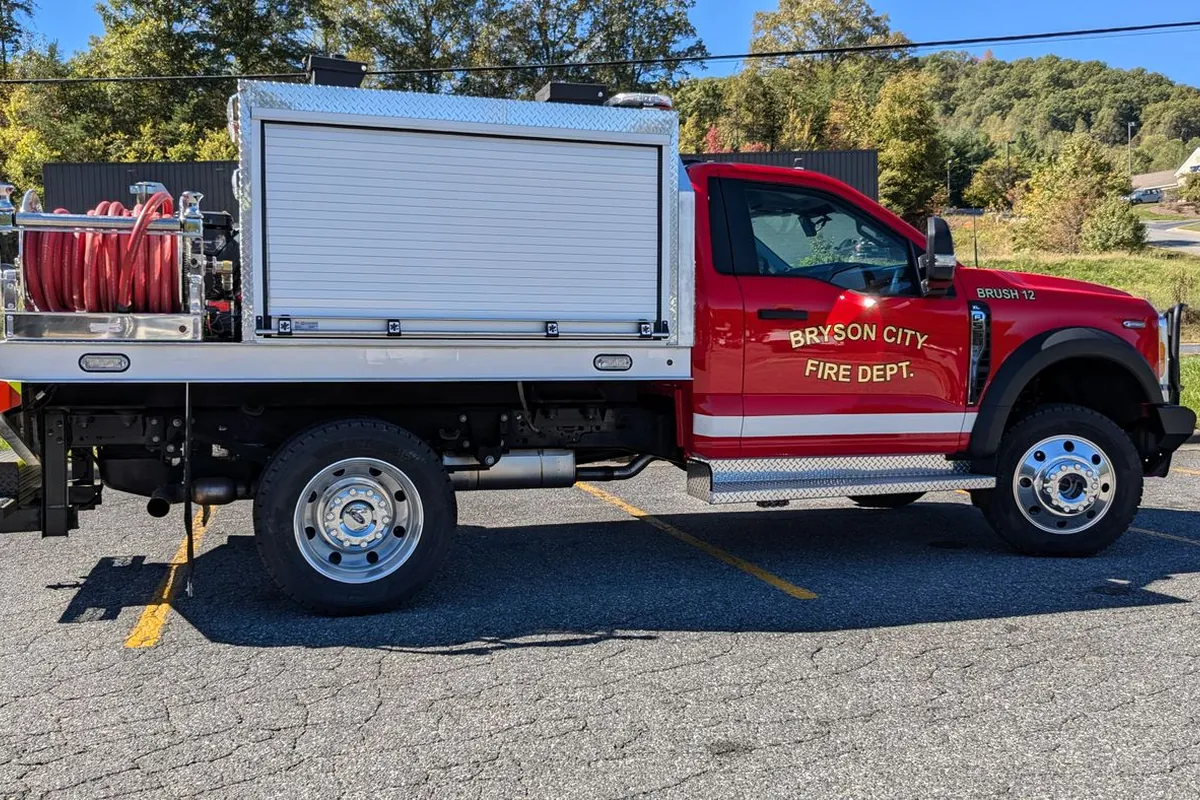
Can a body shop repair a utility bed or service body truck near Balch Springs?
Yes, if the shop does more than car bodies. A service body truck is really two things bolted together: a pickup or chassis cab underneath, and a steel or aluminum body full of compartments on top. A good repair treats both. The cab and frame follow the truck maker's procedures. The service body needs metal work, welding, fabrication, door and latch repair, and paint that matches your fleet color.
ACE Body & Frame has repaired utility-bed trucks for companies in the area, and we keep letters of recommendation on file. We are on S. Peachtree Road in Balch Springs, and service body work is part of our fleet and work truck repair, along with frame, suspension, welding and fabrication.
This guide helps the owner or fleet manager decide what to repair, what to replace, and what to check under the body before the truck goes back to the crew.
Which parts of a service body get damaged, and what does each repair involve?
Service bodies get hit in the same few places: backing into poles and docks, side swipes in tight yards, and rear-end hits. The table below lists the common damage, the usual repair and what to ask.
| Damaged part | Usual repair | Ask before approving |
|---|---|---|
| Compartment door dented or sprung | Straighten or replace the door, adjust hinges, replace weather seal | Will it latch and seal like the others when done? |
| Door latch or lock broken | Replace latch, striker, rods or lock cylinder | Will the new lock match the rest of the keys? |
| Side compartment wall crushed | Panel repair or section replacement, welding, sealing, paint | Will shelves and dividers inside be straightened too? |
| Rear bumper or step bent | Straighten or replace, check hitch and mounts | Was the hitch receiver or frame end pushed? |
| Body shifted on the chassis | Body mount repair, frame measurement | Will the body come off to inspect the frame? |
| Ladder rack or crane mount bent | Straighten, fabricate or replace, check mounting points | Is the mounting area of the body cracked? |
| Cab front or corner | Standard collision repair, scan, possible sensor calibration | Does the truck maker call for calibration after this repair? |
Read each row together with the one below it. Damage on a service body often travels: a rear hit that bends the step can push the body forward on its mounts, and that can reach the frame.
Should the service body be repaired or replaced?
No single rule answers this for every truck. These are the questions that decide it.
- How much of the body is involved? One or two compartments usually repair well. Damage that runs the length of the body, or into the floor and subframe of the body, points toward replacement.
- Is the body still square? If doors on the undamaged side no longer close right, the whole body may be twisted.
- Is there corrosion around the damage? Rust behind a dent can make a repair spread further than the dent.
- Are parts available? Doors and latches for current bodies may be easy to get. Older bodies may need fabricated pieces, which is where welding and fabrication skills matter.
- What does the insurer's estimate allow? The adjuster writes the estimate, and if teardown shows more damage, the shop sends a revised estimate for the insurer to approve.
- How long will you keep the truck? A replacement body can outlast the chassis. A repair may make more sense on a truck near the end of its life.
For a wider look at that last question, see whether to repair or replace a damaged fleet vehicle.
What should be checked under the body?
The frame under a service body carries the body, the tools and often a trailer. 49 CFR 396.3 lists frames and frame assemblies, suspension, axles, wheels and rims, and steering among the parts a motor carrier must keep in safe and proper operating condition at all times.
- Empty the compartments. Weight hides sag and twist.
- Inspect the body mounts and the frame under them. Sometimes the body has to come off to see the frame clearly.
- Measure against the maker's dimensions. Structural damage must be found before it can be fixed.
- Repair the way the maker allows. I-CAR says sectioning is allowed only when the maker's repair information supports it. Ford says that where no specific procedure exists, structural repairs should be made at factory joints or seams. According to I-CAR, GM publishes a front frame rail sectioning kit for 2011 and later Chevrolet Silverado and GMC Sierra 2500 and 3500 heavy-duty pickups. According to I-CAR, GM and Ford each say they do not approve clip repairs that join two vehicles.
- Align the wheels. I-CAR notes that most collisions can cause suspension damage, which makes an alignment necessary.
The chassis maker's procedure governs, so ask any shop, including us, which one it will follow on your truck. Our guides to Ford Super Duty frame and body repair, Ram heavy-duty truck repair and rear-end and hitch frame damage go further.
Can the truck keep working until the repair is scheduled?
Sometimes, but the test is safety, not appearance. A dented compartment that still closes and locks is a cosmetic problem. A door that will not latch is not, because it can swing open in traffic and drop tools on the road. For motor carriers, 49 CFR 396.7 says a vehicle must not be operated in a condition likely to cause an accident or a breakdown.
Keep the truck parked and call the shop if you see any of these:
- A compartment door that will not latch, or one held shut with straps or wire.
- Lights on the body that do not work, especially rear and side marker lamps.
- A body that sits crooked on the chassis, or a gap between cab and body that changed.
- A bent rear bumper or hitch on a truck that tows.
- Leaks, noises or a pull in the steering after the hit.
- A ladder rack or crane whose mounts look cracked or loose.
If none of those apply, driving the truck to a scheduled appointment is usually reasonable. Photograph the damage before it goes back out, so the estimate reflects the crash and not later wear.
What happens to the tools and equipment inside?
A service body is a rolling toolbox, and tools in a shop are a risk for everyone. Plan for them before drop-off.
- Empty the compartments, or at least the damaged ones, and take an inventory photo of what stays.
- Leave keys for every lock so the shop can open and test each door.
- Remove hazardous items such as fuel cans, cylinders and chemicals.
- Tell the shop about add-ons: inverters, air compressors, work lights, cranes and racks, and who installed them.
- Agree on reinstalling racks and equipment, and put it on the estimate.
Which rules apply if the truck is a commercial vehicle?
Under 49 CFR 390.5, a vehicle used in interstate commerce with a weight rating or combination weight of 10,001 pounds or more is a commercial motor vehicle. A heavy-duty service truck often qualifies on its own, and a lighter one can qualify when it tows a trailer. If yours does:
- Markings. 49 CFR 390.21T requires the carrier's name and USDOT number on both sides, legible in daylight from 50 feet. A repaired or repainted body side needs the marking back. Our guide to fleet repaint and lettering covers it.
- Lamps and reflectors. Lights and reflectors mounted on the body should be restored, placed where they were and working before the truck goes out.
- Records. 49 CFR 396.3 requires repair records for each vehicle. File the invoice with the unit.
- Inspection. The Texas Department of Public Safety says commercial vehicles in every county still need a passing safety inspection.
What should I send, and what should I ask?
Send the chassis VIN, the body maker and model if you know them, photos of the damage and both sides of the body, a list of add-on equipment, the claim number and adjuster contact if a claim is open, and where the truck is now. Then ask: Will you inspect the frame under the body? Which parts will be repaired and which replaced? Can you fabricate pieces that are not sold? Who reinstalls racks and equipment? How will the color and lettering be matched?
When you have those answers, request a free estimate for your service truck.
How ACE Body & Frame helps
ACE Body & Frame has been on S. Peachtree Road in Balch Springs since 1987, serving Balch Springs, Mesquite and the surrounding area. We have repaired utility-bed trucks, transit buses and large fleets, with letters of recommendation on file. Our body, frame and mechanical services cover collision repair, body and paint, suspension and frame repair, welding, fabrication, glass replacement, and foreign and domestic service and diagnostics. Towing and rental car service are available, and fleet customers get fleet discounts.
We accept all insurance claims and write free computerized estimates. You have the right to choose where your vehicle is repaired, and our repairs are satisfaction guaranteed. Read our reviews, see our guides to box truck collision repair and construction and landscaping trucks, or browse the fleet and work trucks guides. For service truck and fleet repair, call 972-286-0935, Monday to Friday, or send us photos of the damage.
Questions people ask next
Can a dented compartment door on a service body be fixed?
Often, yes. A door can usually be straightened or replaced, the hinges adjusted and the weather seal renewed so it latches and seals like the others. Older bodies may need parts fabricated if the maker no longer sells them. Ask the shop to test every latch and lock on that side after the repair.
Does the service body have to come off to check the frame?
Not always, but sometimes it is the only way to see the frame and body mounts clearly, especially after a rear hit or if the body sits crooked. 49 CFR 396.3 lists frames among the parts a motor carrier must keep in safe and proper condition, so the frame check matters as much as the body work.
Is it better to repair or replace a damaged service body?
It depends on how much of the body is involved, whether it is still square, whether rust surrounds the damage, whether parts are available, and how long you plan to keep the truck. One or two compartments usually repair well. Damage along the whole body or into its floor points toward replacement.
Will my USDOT number need to be put back on the body?
If the truck is a commercial motor vehicle and the marking was on a repaired or repainted panel, yes. 49 CFR 390.21T requires the carrier's name and USDOT number on both sides, in lettering that contrasts with the background and is legible in daylight from 50 feet. Ask for it on the estimate.
Should I leave my tools in the truck at the body shop?
Empty the damaged compartments and remove fuel cans, cylinders and chemicals. Take photos of anything that stays, leave keys for every lock so each door can be tested, and tell the shop about inverters, compressors, cranes and racks. Agree on who reinstalls equipment and put it on the estimate.
Ready to get your vehicle back to work?
ACE Body & Frame, 2922 S. Peachtree Road, Balch Springs. Free computerized estimates, all insurance claims accepted.
Sources
- 49 CFR 396.3
- 49 CFR 396.7
- 49 CFR 390.5
- 49 CFR 390.21T
- I-CAR RTS, "Structural Sectioning Procedures: Toyota/Lexus"
- I-CAR RTS, "GM Has New Front Full-Frame Sectioning (Heavy Duty) Part Kit Available"
- Ford Collision Position Statement, "Structural Repairs" (October 1, 2025)
- I-CAR RTS, "The Effects Of Wheel Alignment On ADAS"
- I-CAR RTS, GM and Ford structural sectioning articles
- Texas DPS news release HQ 2025-001 (January 3, 2025)
Read next
 Fleet and work trucks
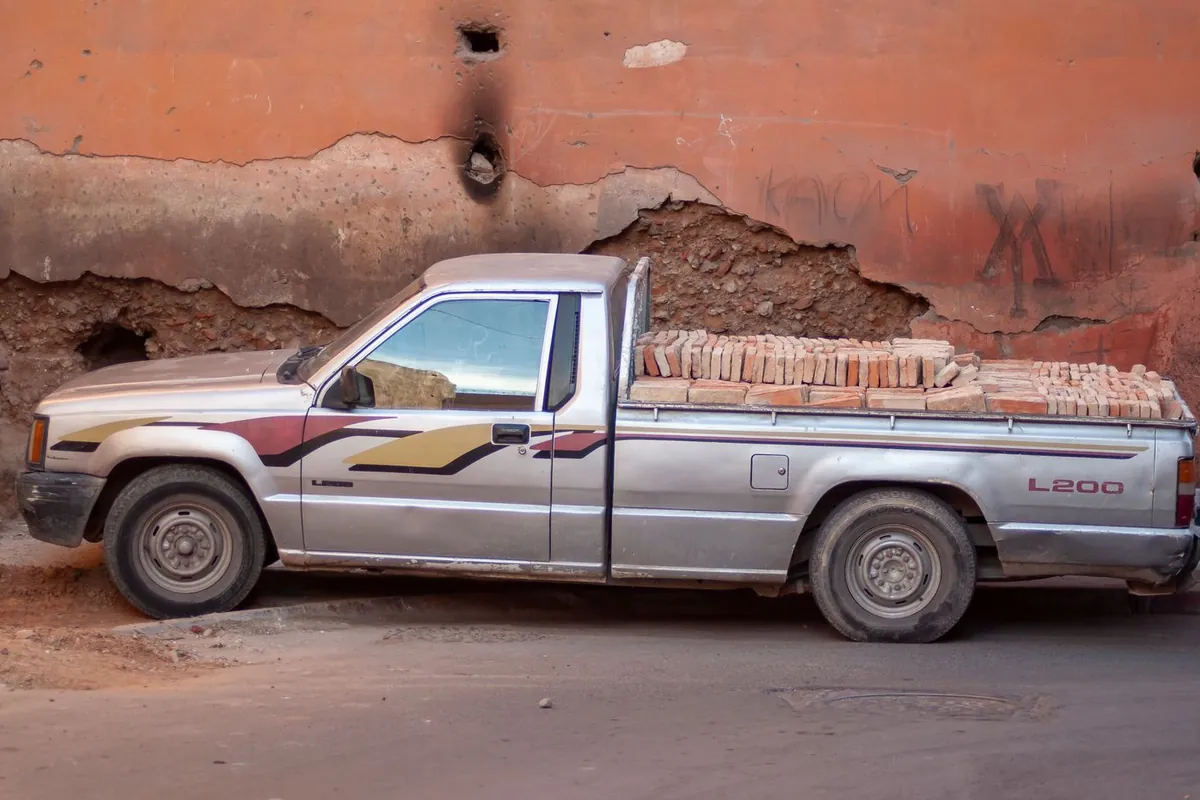
Who repairs landscaping and construction pickups with body and frame damage near Dallas?
Work pickups take hitch hits, bed damage and bent frames. What to check, what truck makers allow on frame repairs, and what to send before drop-off.
 Fleet and work trucks
How should a fleet handle an insurance claim on a company vehicle in Texas?
One claim owner, fast reports, scene evidence and your own choice of shop. How Texas fleet claims work, whose insurance pays, and what to keep on file.
 Fleet and work trucks
Does my company truck need a USDOT number and markings redone after body repair?
A body repair never changes your USDOT number, but a replaced or repainted door must show it again on both sides. What the rule asks and what to send.
More: all fleet and work trucks guides, fleet & work trucks, repair by make, reviews and directions to the shop.