
In short
Repair usually wins when the structure can be restored to the maker's procedure, the repair cost sits well below the vehicle's value and the unit has working life left. Replacement makes more sense when the insurer totals it, no approved procedure exists for the damaged frame, or the unit was due for replacement anyway.
- TDI: insurers compare repair cost with the vehicle's value; no fixed percentage applies.
- You can ask what source the insurer used to value the vehicle and negotiate.
- Document upfits, racks and custom equipment; they are part of the vehicle's value.
- Frame sectioning is allowed only where the maker's repair information supports it.
- Keeping a totaled unit means a salvage title, a rebuilt brand and a commercial inspection.
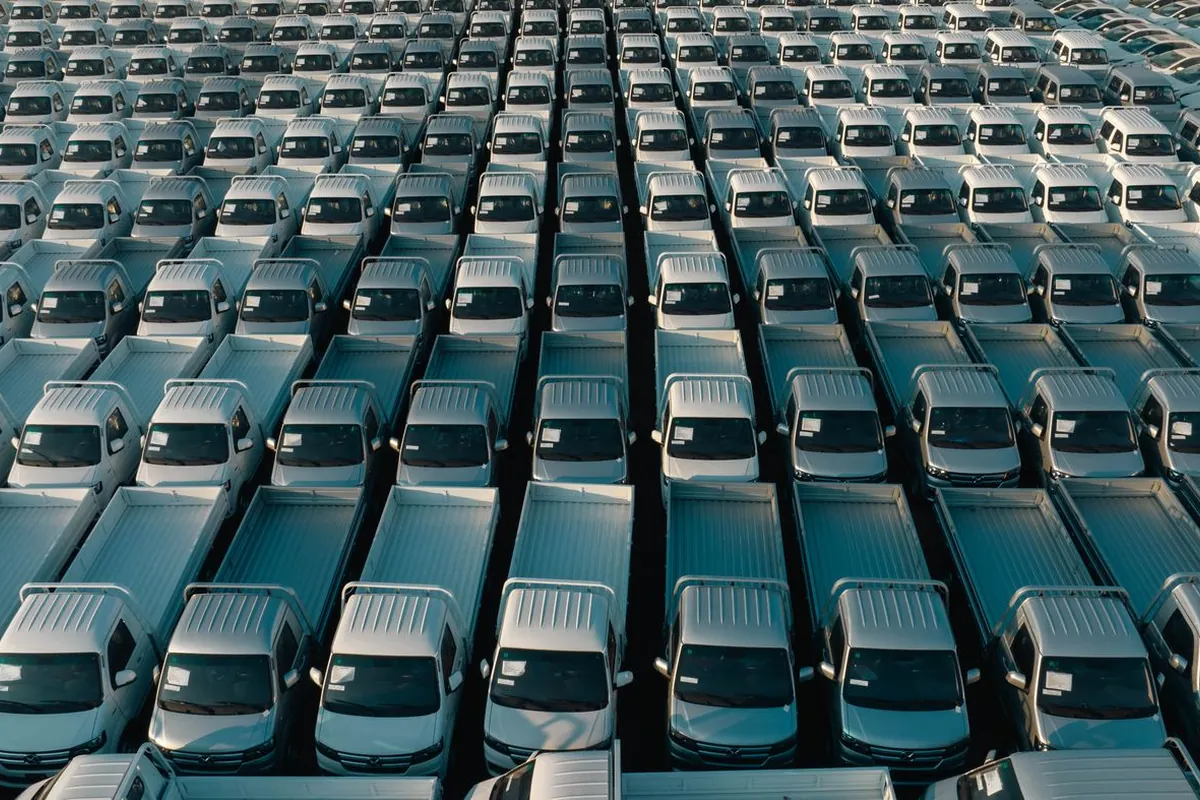
Should we repair this fleet vehicle or replace it?
Repair is usually the better choice when three things are true: the structure can be put back the way the maker's repair information describes, the repair cost sits clearly below what the vehicle is worth, and the unit still has useful working life ahead of it. Replacement starts to make more sense when the insurer declares a total loss, when the damaged structure has no approved repair procedure, or when the unit was already near the end of your replacement cycle.
Two decisions are often mixed up here. The first belongs to the insurer: whether, under the policy, the vehicle is worth repairing at all. The second belongs to you: whether, even if the insurer will pay to repair it, the unit is worth keeping. A good decision looks at both, with real numbers in hand, before anyone starts cutting metal.
This guide is written for the owner or fleet manager making that call. If you already know you want the unit back, our page on fleet and work truck repair explains how we take it in.
Who actually decides whether a company vehicle is totaled?
On a claim, the insurer runs the first test. The Texas Department of Insurance (TDI) says an insurer compares the vehicle's value with the cost to repair it. If the repair costs about the same as the value or more, the company will likely treat it as a total loss, and some companies might total a vehicle even when the repair cost is lower. TDI gives no fixed percentage. For frame damage in particular, see whether insurance will total a truck for a bent frame.
TDI also says repair payments under your own policy are capped at the vehicle's actual cash value, which is replacement cost minus depreciation. A total loss payment is the vehicle's value minus depreciation, not the price of a new one of the same make and model.
You are not powerless in that test. TDI says you can ask the insurer what source it used to value the vehicle and you can negotiate. Be ready to show what the vehicle would sell for in your area with dealer quotes, online prices and local ads, and document special features or custom parts. For a work truck, that last point matters: a service body, ladder rack, toolboxes, lift gate or upfit can be a large share of what the unit is worth to you. Our guide on when a car is a total loss in Texas covers the valuation side in more detail.
How do the main factors point: repair or replace?
The table lines up the factors a fleet manager weighs and which way each one usually points.
| Factor | Points toward repair | Points toward replacement |
|---|---|---|
| Insurer's decision | Claim approved for repair | Declared a total loss and you accept the value |
| Structural damage | The maker publishes a repair or sectioning procedure for the damaged area | No approved procedure for the damaged rail or section |
| Upfit and equipment | Expensive body, racks or tooling are undamaged and would be costly to move | The upfit itself is badly damaged too |
| Age and condition | Good maintenance history, useful life ahead | Already scheduled for replacement, worn drivetrain |
| Replacement availability | A matching new or used unit is hard to find or upfit | A suitable unit is ready to go into service |
| Title | Repair keeps a clean title | Repair would mean a salvage title and a rebuilt brand |
Read it as a count, not a formula. If most rows point the same way, the decision is usually clear. If they split, the structure row and the title row should weigh the most, because they affect safety and what the unit is worth when you sell it.
Does the kind of frame or structural damage change the answer?
Often it does. Not every bent rail can be repaired, and whether it can depends on what the vehicle maker allows, not on what a shop is willing to try.
- Sectioning needs maker support. I-CAR says most makers allow sectioning of outer body panels and front and rear rails, but only when the maker's repair information supports it, because a sectioning joint changes how a part reacts in a crash.
- Some trucks have published procedures. According to I-CAR, GM released a full-frame sectioning kit for the front frame rails of 2011 and later 2500 and 3500 Silverado and Sierra heavy-duty pickups.
- Some do not. According to I-CAR, for the 2017 Ram 1500 the rear rails have no replacement procedures available. Toyota's position, as reported by I-CAR, is that frame sectioning is not an approved repair on Toyota and Lexus full-frame vehicles.
- Joining two vehicles is out. GM and Ford each state they do not approve clip repairs, which join sections from two vehicles.
- Materials limit straightening. I-CAR notes vehicles now use high-strength steel, ultra-high-strength steel, aluminum and other materials designed to collapse or transfer crash forces in a set way, so the maker's procedure decides how each part may be repaired.
For a commercial unit there is also an ongoing duty. 49 CFR 396.3 lists frames and frame assemblies, suspension, axles, wheels and rims, and steering among the parts a motor carrier must keep in safe and proper operating condition at all times. A frame repair that cannot be done to the maker's procedure is a reason to lean toward replacement. Our guide on whether a bent truck frame can be repaired goes deeper.
What happens if we keep a totaled work truck?
TDI says that if you want to keep a totaled vehicle, tell the insurer as soon as possible. It subtracts the salvage value from the payment, the vehicle may get a salvage title, and after repairs you need a new title from the Texas Department of Motor Vehicles before driving it. TDI adds that a vehicle that had a salvage title could be harder to sell or insure.
The TxDMV salvage manual says the owner of a vehicle with a salvage title may not operate it on a public highway until it is rebuilt, retitled and properly registered. The rebuilt title application includes Form VTR-61, which describes each major component part used in the repair, with the part's identification number or the VIN of the vehicle the body, frame or engine came from. The TxDMV FAQ says all commercial vehicles must pass a commercial inspection before the rebuilt unit is registered.
One more point for fleets. The manual says a person who repairs, rebuilds or reconstructs more than five salvage vehicles in the same calendar year must obtain a salvage vehicle dealer license. A company that keeps and rebuilds several totaled units a year should check that rule with TxDMV.
How should downtime and rental weigh in?
A unit that is off the road costs you in lost work, overtime on other trucks and missed jobs, and that cost does not show up on any estimate. We cannot give you a repair time before we see the vehicle, but we can tell you what usually makes one longer: parts on back order, upfit equipment that must come off and go back on, frame work, and additions found after teardown that need the adjuster's approval.
On rental, TDI says that if another driver caused the accident, that driver's insurer typically pays for a rental vehicle for the reasonable repair period. Your own insurer pays a set daily amount up to your policy limits if you carry rental reimbursement coverage. If the vehicle is totaled, TDI says rental payments may stop a few days after the insurer tells you. For specialized work trucks a like-for-like rental may not exist, which is one more reason to plan the decision early. See rental cars while a vehicle is in the body shop and getting a wrecked work truck back on the road fast.
What numbers should we gather before deciding?
- The repair estimate, written from a full inspection, with a note on what could be hidden until teardown.
- The insurer's valuation and the source it used, if a total loss is on the table.
- Your own market evidence: dealer quotes and local listings for a comparable unit, plus invoices for the upfit and equipment.
- What you still owe. TDI notes gap insurance may cover the difference when you owe more than the vehicle is worth, and that gap products sold by dealers or banks may not be insurance.
- The unit's maintenance file, to judge how much working life is left.
- The cost of being without it: lost jobs, rentals, overtime.
- Your deductible. TDI says deductibles apply to collision, comprehensive and UM/UIM claims, but not to a claim against another driver's insurer.
Put those on one page. The answer is often obvious once they sit side by side. For the claim steps around that page, see how a fleet should handle an insurance claim on a company vehicle.
What should we ask the body shop before choosing?
- Does the maker publish a repair procedure for the damaged structure on this exact model and year?
- Which parts must be replaced rather than straightened, according to that procedure?
- Will the upfit, racks or body have to come off, and who reinstalls them?
- What could the teardown reveal that changes the estimate?
- How will the frame be measured before and after the repair, and will we get the record?
- What would make you advise us not to repair this unit?
A shop that answers the last question honestly is worth listening to on the others.
How ACE Body & Frame helps
ACE Body & Frame has been on S. Peachtree Road in Balch Springs since 1987. We do collision repair, suspension and frame repair, welding, fabrication, glass and work vehicle repair with fleet discounts, and we have repaired transit buses, utility-bed trucks and large fleets. Estimates are free and computerized, and we accept all insurance claims.
When you are weighing repair against replacement, we document the damage, write the estimate and work with the adjuster on what the repair needs. You own the claim and the decision; we give you what you need to make it. Repairs are satisfaction guaranteed. See examples on our work page and more answers under fleet and work trucks.
Call 972-286-0935 Monday to Friday, or request a free estimate with photos of the damage and the upfit. Running several units? Send us your fleet details and the units you want looked at.
Questions people ask next
Can I keep a fleet truck the insurer has totaled?
TDI says to tell the insurer as soon as possible if you want to keep it. The insurer subtracts the salvage value from the payment, the truck may get a salvage title, and after repairs you need a new title from TxDMV before driving it. A commercial vehicle must also pass a commercial inspection before the rebuilt unit is registered.
Does the insurer pay for the service body or upfit on a totaled truck?
We cannot tell you what a policy covers. TDI says you can document special features or custom parts when you negotiate the value of a totaled vehicle. Keep invoices for the body, racks, toolboxes and other equipment, and ask your insurer or agent how your policy treats them before you need to.
Is there a percentage rule for a total loss in Texas?
TDI gives no fixed percentage. It says insurers compare the value with the repair cost and will likely total a vehicle when the repair costs about the same or more, and that some may total it even when the repair cost is lower. The salvage title test in the Transportation Code is repair cost above actual cash value.
Can any bent frame be straightened?
No. Whether a frame rail can be repaired, sectioned or must be replaced depends on the maker's repair information for that model. Some trucks have published sectioning procedures, others have none for certain rails, and GM and Ford say they do not approve joining sections from two vehicles. Ask the shop to show you the procedure.
Does rental coverage continue if the fleet vehicle is totaled?
TDI says rental payments may stop a few days after the insurer tells you the vehicle is totaled. If another driver caused the crash, that driver's insurer typically pays for a rental for the reasonable repair period. Your own policy pays only if you carry rental reimbursement, up to its daily and total limits.
Ready to get your vehicle back to work?
ACE Body & Frame, 2922 S. Peachtree Road, Balch Springs. Free computerized estimates, all insurance claims accepted.
Sources
- TDI, "My car was totaled! Now what?"
- TDI, Automobile insurance guide (cb020)
- TDI, "Do you need gap insurance for your car? How does it work?"
- I-CAR RTS, "Structural Sectioning Procedures: Toyota/Lexus"
- I-CAR RTS, "GM Has New Front Full-Frame Sectioning (Heavy Duty) Part Kit Available"
- I-CAR RTS, "Sectioning And Partial Part Replacement: 2017 RAM 1500"
- TxDMV Salvage/Nonrepairable Motor Vehicle Manual, January 2026
- 49 CFR 396.3
- TxDMV FAQs
- I-CAR RTS, GM and Ford structural sectioning articles
Read next
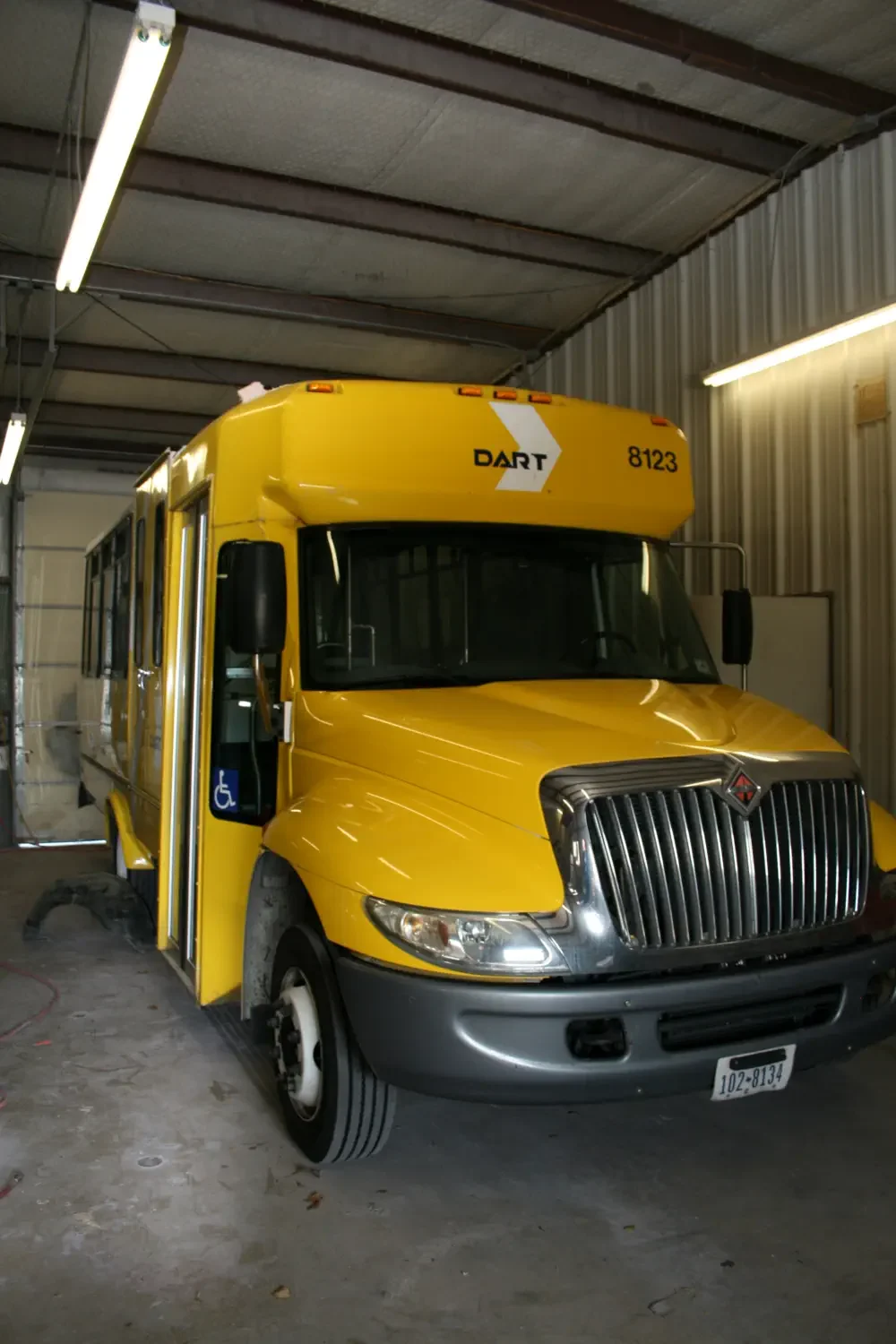 Fleet and work trucks
What should a fleet manager ask a body shop before sending work trucks in the Dallas area?
What to ask a Dallas area body shop before sending vans, box trucks or utility beds: capacity, in-house work, approvals, billing and crash records.
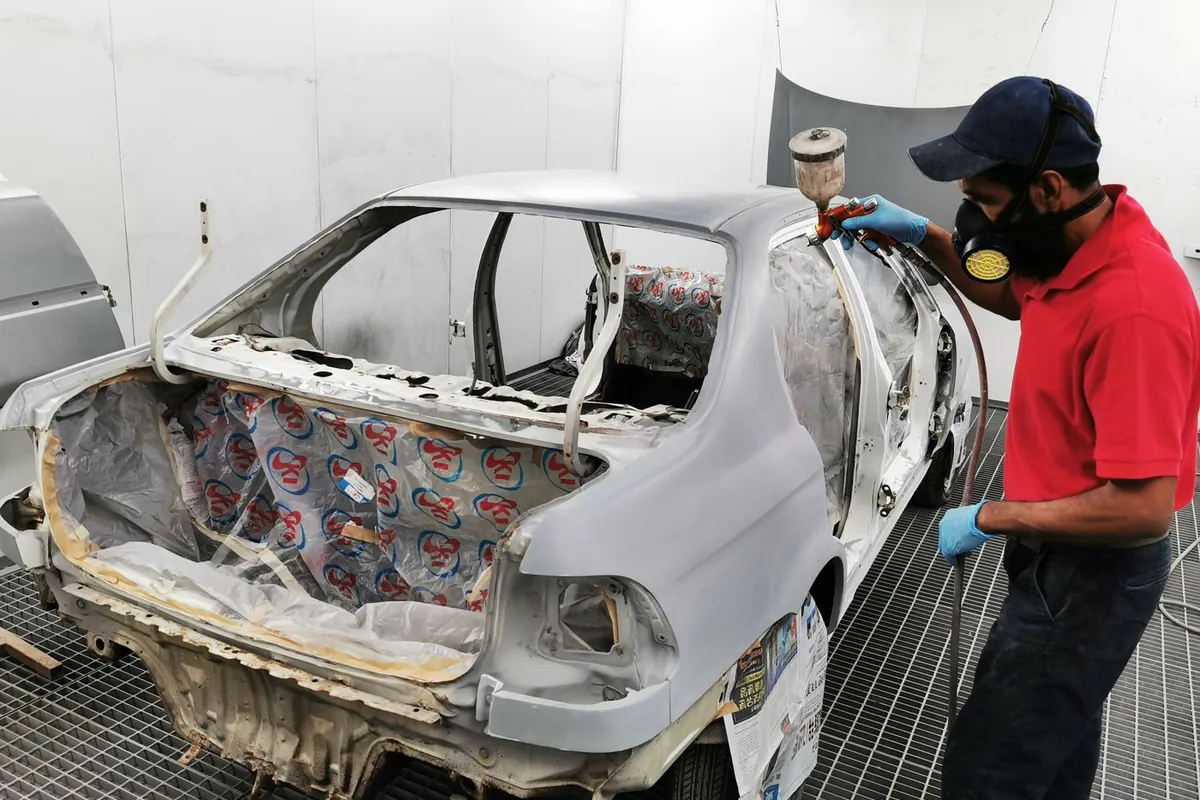 Fleet and work trucks
Who paints and letters fleet vehicles after body repair in the Mesquite area?
How body shops match fleet colors, custom whites and faded units, what the EPA paint rule requires, and how lettering and USDOT markings come back.
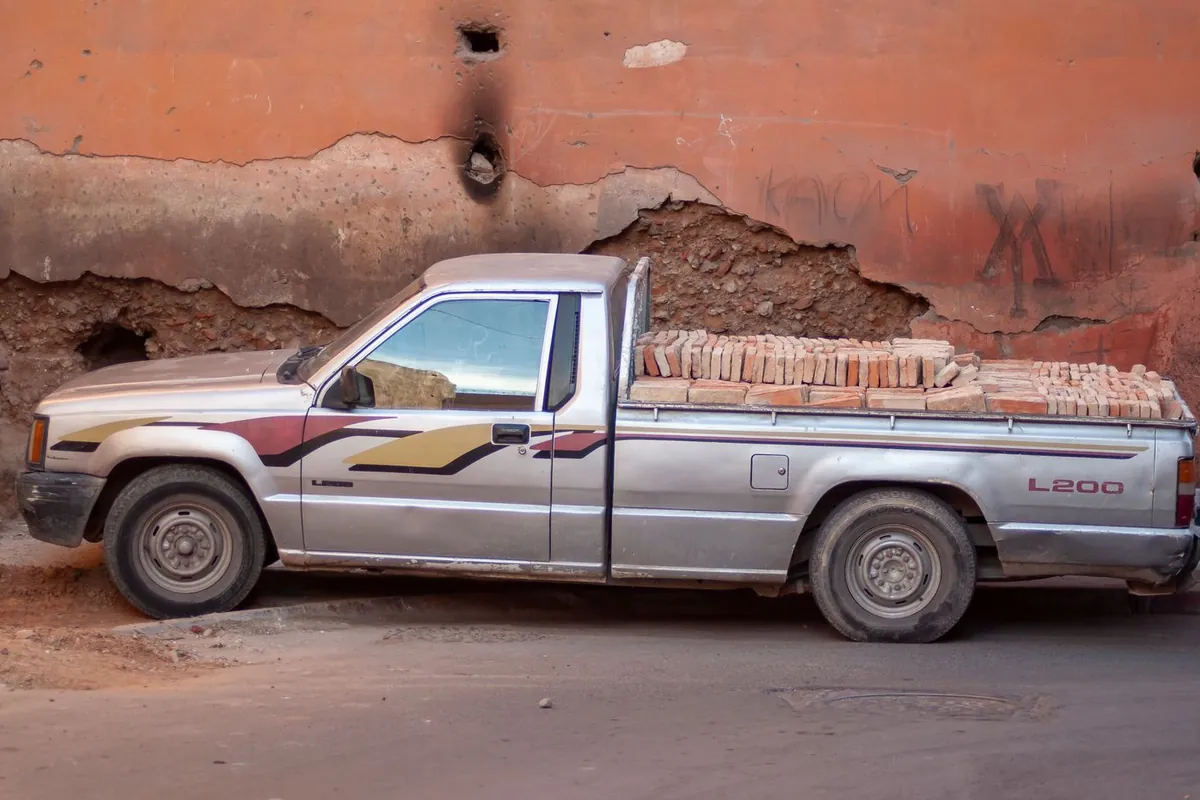 Fleet and work trucks
Who repairs landscaping and construction pickups with body and frame damage near Dallas?
Work pickups take hitch hits, bed damage and bent frames. What to check, what truck makers allow on frame repairs, and what to send before drop-off.
More: all fleet and work trucks guides, fleet & work trucks, repair by make, reviews and directions to the shop.