
In short
For most collision work on fleet cars, vans and pickups, one shop can handle body, frame, mechanical and glass, and it usually saves time because it can do the steps in the right order. Some steps, such as certain sensor calibrations, may be sent to a specialist; what matters is that one shop owns the job and documents every step.
- Structure first, then alignment, then driver-assistance calibration where required.
- I-CAR: many makers require calibration whenever a wheel alignment is performed.
- Windshield and side glass are part of the restraint system; plan for drive-away time.
- Specialist steps may be sent out; ask for one estimate and records for every step.
- Name one shop contact who tracks each unit through every step.
Can one shop really handle body, frame, mechanical and glass for a fleet?
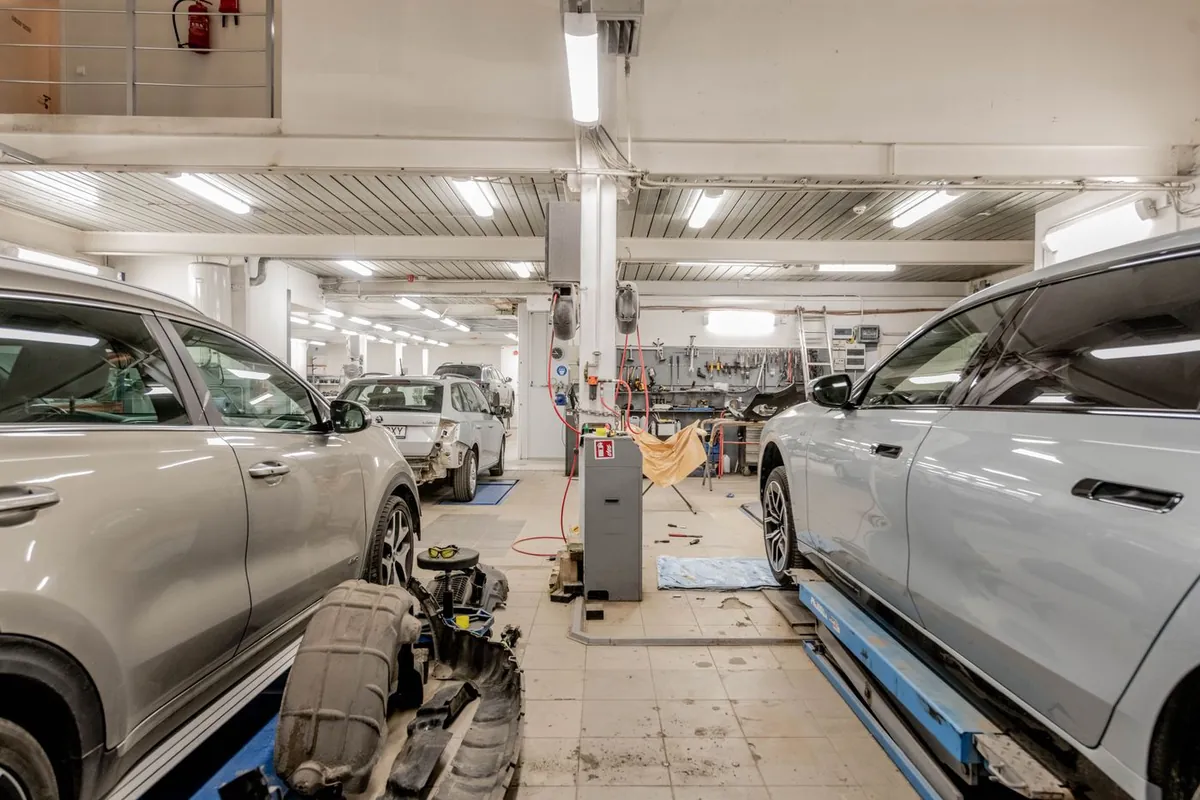
For most collision work on cars, vans and pickups, yes, and for a fleet it is usually the better setup. One shop that does body and paint, frame and suspension, mechanical diagnostics and glass can write one estimate, order the work in the right sequence, and hand you back a unit that has been checked as a whole. The alternative is a truck that travels from a body shop to an alignment shop to a glass company and back, with each stop adding days and each handoff adding a chance that something gets missed.
There is a fair caveat. Some steps on modern vehicles, especially calibrating driver-assistance cameras and radar, can need special space, tools and maker information, and many shops send certain calibrations to a specialist or a dealer. That is normal. What matters is that one shop owns the whole job, sequences it correctly, and gives you records for every step, whoever performs it.
Our fleet and work truck repair page lists what we take in. The rest of this guide explains why the order of the work matters and what to ask any shop.
Why does the order of repairs matter so much?
On a damaged vehicle, the body, the frame, the suspension and the electronics are connected. Doing them in the wrong order means doing some of them twice.
- Structure first. The frame or unibody has to be measured and corrected before anything that depends on its geometry is set.
- Alignment after structure and suspension. I-CAR says a great majority of collisions can cause suspension damage, which means a wheel alignment will be necessary, and that vehicles with driver-assistance systems need to be aligned with how the vehicle actually travels.
- Calibration after alignment. I-CAR says numerous makers require driver-assistance calibration whenever a wheel alignment is performed, some require the vehicle to be on an alignment rack during calibration, and others include an alignment as a step of the calibration.
- Steering angle sensor. I-CAR says it may need calibration after an airbag deployment, structural repairs or a wheel alignment.
- Glass and its camera. A windshield with a camera behind it is installed, allowed to bond, and then the camera is calibrated where the maker requires it.
When three different businesses each do one of these steps, nobody is responsible for the sequence. When one shop owns the job, it is.
Which repairs trigger other work?
This table links common fleet repairs to the follow-up work they often bring, so you can see what a complete estimate should account for.
| Repair | Often brings | What to ask |
|---|---|---|
| Front bumper or grille removed or replaced | Forward radar check; I-CAR says calibration may be needed after the bumper or grille is removed | Does this model's procedure call for radar calibration? |
| Windshield replaced | Forward camera calibration on many vehicles | Is the camera calibrated, and where? |
| Frame or structural repair | Wheel alignment, steering angle sensor calibration | Will you give us the before and after measurements and the alignment printout? |
| Suspension parts replaced | Wheel alignment, then driver-assistance calibration where required | Which systems need calibration after this alignment? |
| Airbag deployment | Restraint parts listed in the maker's procedure; steering angle sensor calibration | Which parts does the maker list for replacement on this vehicle? |
| Engine, cooling or electrical damage up front | Mechanical diagnosis alongside the body work | Is the mechanical check on the same estimate? |
Use the right-hand column as your checklist when you read an estimate. If a repair in the first column is listed and the follow-up is not, ask why. Sometimes the answer is that this model does not need it; sometimes it was missed.
What should a fleet know about glass replacement after a wreck?
Glass is a safety part, not just a window. Federal Motor Vehicle Safety Standard 205 sets requirements for glazing materials so that glass reduces injuries, keeps the driver's view clear and helps keep occupants inside in a crash. The Auto Glass Safety Council (AGSC) says the windshield and side glass are part of the passenger restraint system and must be installed properly for airbags to deploy safely.
- Drive-away time. AGSC defines minimum drive-away time as how long the vehicle should stay parked after installation so the adhesive bonds. It depends on the adhesive and the weather, and the installer should brief you on it. Plan pickup around it.
- Adhesive rules. According to I-CAR, GM's glass procedures say to follow the urethane maker's curing time, not to mix primers or adhesives from different product lines, and not to use adhesive past its expiration date.
- Camera calibration. GM, FCA, Subaru and Toyota each state that the forward camera must be calibrated after windshield replacement, with differences in wording.
- Special windshields. Honda says a head-up display windshield must be replaced with a head-up display windshield, and that the VIN should be given when ordering because the two look the same.
Our guide on windshield and door glass after a wreck goes further.
Why are driver-assistance sensors the step most likely to be missed?
An IIHS survey reported in February 2023 found that among owners who had a crash avoidance feature repaired, about half reported problems afterward, and nearly three-quarters of those whose repair followed crash damage did. The same IIHS article says automakers stipulate calibration any time a sensor is removed and replaced or reinstalled, and that calibration can require large spaces, specialized training and expensive equipment.
For a fleet, a van whose automatic braking or lane warning acts up is both a safety issue and a driver complaint. Ask any shop, including us, how calibration will be done on each of your models, by whom, and what record you will receive. Our guides on recalibrating sensors after body repair and scanning before and after the repair explain what to expect.
Does "one shop" mean every step happens in one building?
Not always, and you should not expect it to. Specialist steps are often sent to another provider. A good one-shop arrangement means:
- One estimate that lists every step, including the ones done elsewhere
- One contact who tracks the unit through each step
- The shop arranges transport between steps, not your drivers
- One invoice per unit, with records from every provider attached
- One place to call if something is wrong after pickup
That is the real saving: fewer phone calls, fewer trips, and a single file per repair. If a vehicle pulls after the repair, our guide on why a vehicle pulls after a wreck or curb hit lists the usual causes.
How does one shop cut downtime for a fleet manager?
Downtime on a damaged unit is rarely spent on the repair itself. It is spent waiting: for an appointment at the next business, for a driver to move the vehicle, for someone to approve a second estimate, for a part that nobody ordered because each shop saw only its piece of the damage. A single shop that sees the whole vehicle at the start can remove most of those waits.
- One teardown, one parts order. When body, mechanical and glass damage are found in the same inspection, parts for all of them can be ordered at once instead of in three rounds.
- One adjuster conversation. On an insurance claim, one estimate with every step listed is easier for the adjuster to review than separate bills arriving over several weeks.
- No driver shuttles. Your people stay on their routes instead of moving a damaged van between businesses.
- Mechanical issues caught early. A front hit can damage the radiator, cooling fan or wiring along with the bumper. Finding that during the body estimate is better than finding it when the van overheats on its first day back.
- One test drive at the end. The unit is checked as a whole before pickup, not in pieces at each stop.
None of this makes back-ordered parts arrive faster, and it does not remove the time glass adhesive or paint needs. It removes the time lost between businesses.
What should you ask a shop that offers to do it all?
- Which of these do you do here: body and paint, frame, suspension, alignment, mechanical diagnosis, glass, calibration?
- For the steps you send out, who does them and how is the unit transported?
- In what order will the work on this unit happen, and why?
- What records will we get: frame measurements, alignment printout, scan reports, calibration results?
- Who is our single contact, and how will additions found during the repair be approved?
- If a warning light comes on after pickup, who do we call?
Shops that work this way usually set it up once in a fleet account; see how fleet accounts at a body shop work and getting a wrecked work truck back fast.
How ACE Body & Frame helps
ACE Body & Frame has been on S. Peachtree Road in Balch Springs since 1987, serving Balch Springs, Mesquite and the surrounding area. Our services include collision repair, auto body and paint, suspension and frame repair, foreign and domestic automotive service and diagnostics, state inspections, welding, fabrication, glass replacement, fiberglass repair and upholstery, with towing and rental car service available. See the full list on our services page.
For fleets we offer fleet and work vehicle repair with fleet discounts, and we have repaired transit buses, utility-bed trucks and large fleets. Ask us how each step on your vehicles, including any calibration, will be done and documented. We accept all insurance claims, estimates are free and computerized, and repairs are satisfaction guaranteed. Read customer reviews or browse fleet and work truck guides.
Call 972-286-0935 Monday to Friday, or request a free estimate for a damaged unit. To set up one point of contact for all your vehicles, send us your fleet details.
Questions people ask next
Why not send the alignment and glass to separate shops?
You can, but the order matters. Alignment should follow frame and suspension repair, and many makers require driver-assistance calibration after an alignment or a windshield replacement. When separate businesses do each step, nobody owns that sequence, and the unit travels between them. One shop coordinating the work avoids repeat steps and extra trips.
Does every windshield replacement need a camera calibration?
Not every vehicle has a camera behind the windshield, but GM, FCA, Subaru and Toyota each state that the forward camera must be calibrated after windshield replacement on their vehicles that have one. Ask the shop what the maker requires for your model and what record of the calibration you will receive.
How soon can a fleet van be driven after a windshield replacement?
The Auto Glass Safety Council says the vehicle should stay parked for a minimum drive-away time so the adhesive bonds, and that this depends on the adhesive and the weather. No single time applies to every job. The installer should tell you the time for your replacement, so plan pickup around it.
Is it a bad sign if a shop sends calibration to a specialist?
No. IIHS notes calibration can require large spaces, specialized training and expensive equipment, so many shops send some calibrations out. What matters is that the shop includes the step on the estimate, arranges it, and gives you the record. Ask how calibration will be done on each of your models.
What records should a fleet get after a combined repair?
Ask for frame measurements before and after structural work, the alignment printout, pre- and post-repair scan reports, calibration results and the glass installer's details, all attached to one invoice per unit. Those records help with your maintenance file and with any warning light that appears after pickup.
Ready to get your vehicle back to work?
ACE Body & Frame, 2922 S. Peachtree Road, Balch Springs. Free computerized estimates, all insurance claims accepted.
Sources
- I-CAR RTS, "The Effects Of Wheel Alignment On ADAS"
- I-CAR RTS, "Typical Calibration Requirements For Steering Angle/Position Sensors"
- I-CAR RTS, "Typical Calibration Requirements For Forward Radar Sensors"
- IIHS news, "Crash avoidance features improve safety but complicate repairs" (February 15, 2023)
- Auto Glass Safety Council, "Minimum Drive-Away Times"
- 49 CFR 571.205
- I-CAR RTS, "GM Glass Replacement Requirements: UPDATE"
- American Honda position statement 09431 (revised June 2018)
Read next
 Fleet and work trucks
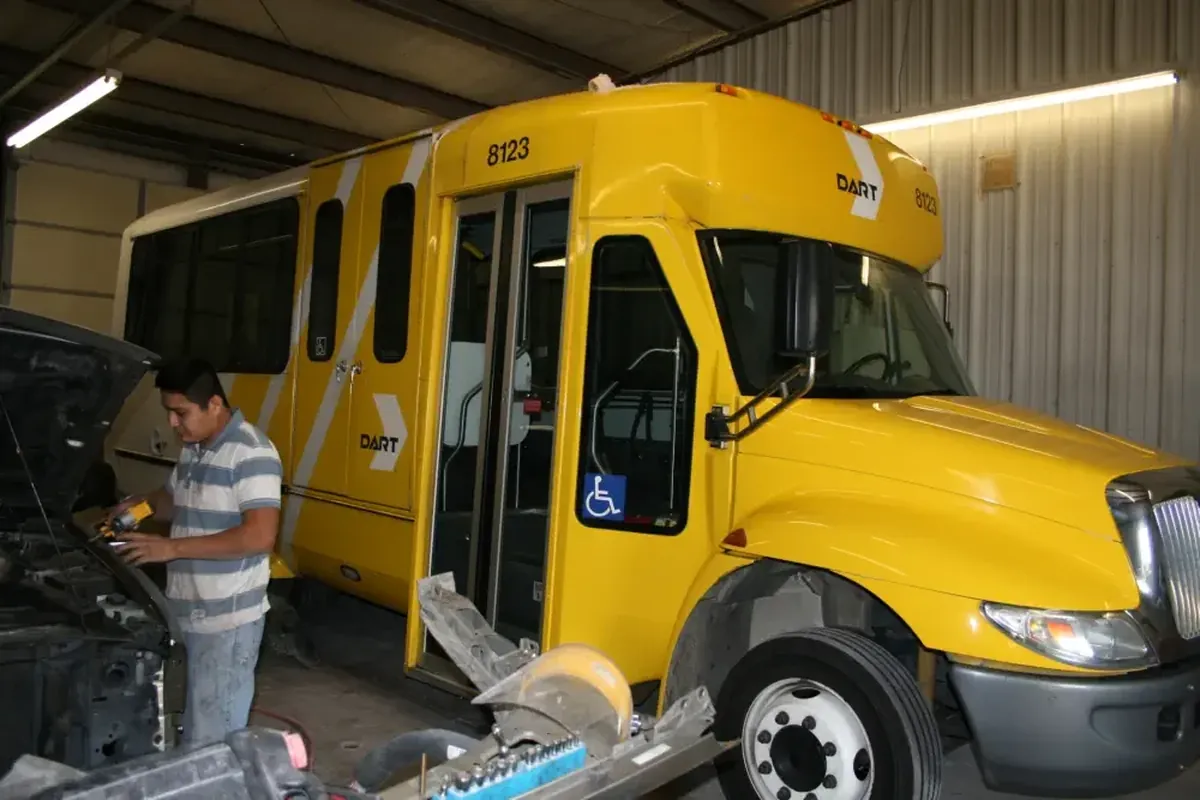
Who repairs shuttle buses and small transit buses in the Dallas area?
Bus repair needs room, fiberglass and glass skills, and care for passenger rules. What buses need, how glass is handled, what to check before service.
 Fleet and work trucks
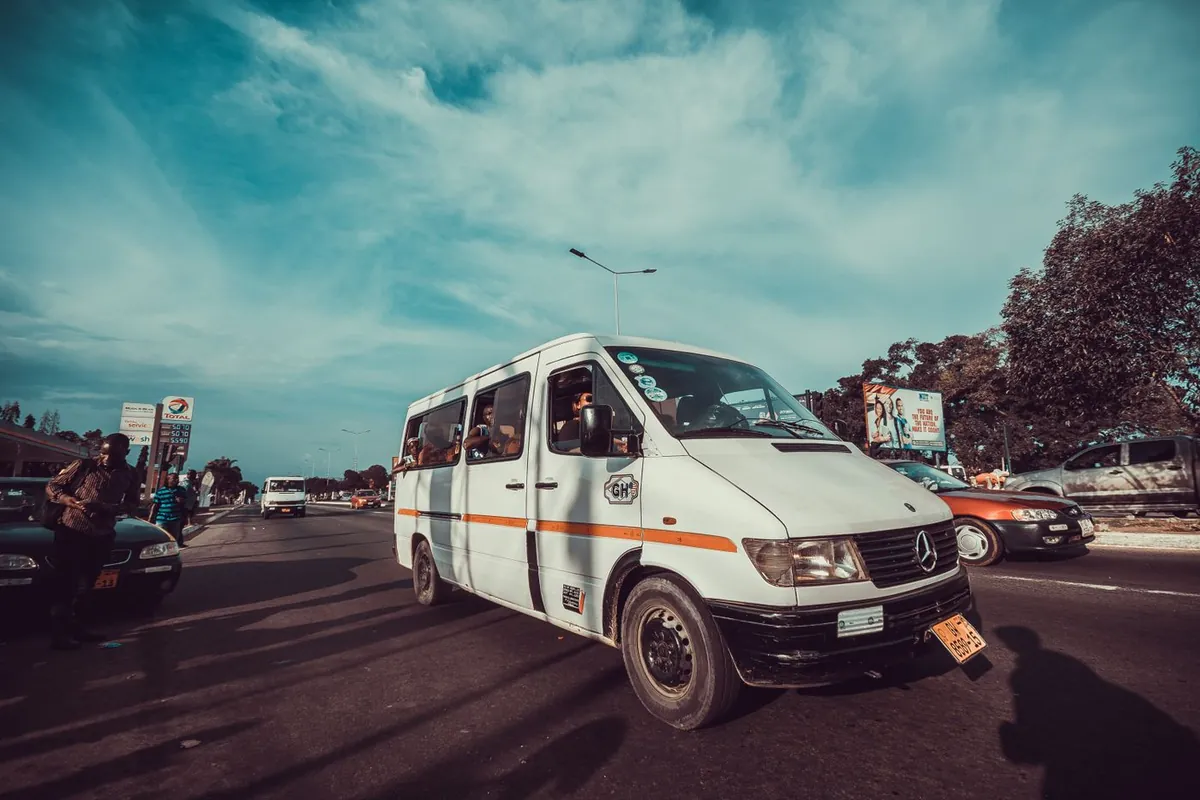
Mercedes Sprinter van collision repair east of Dallas: what should a fleet manager know?
Mercedes-Benz says a post-repair scan is necessary after a collision repair. Plan scans, parts, glass and passenger van rules before your Sprinter goes in.
 Fleet and work trucks
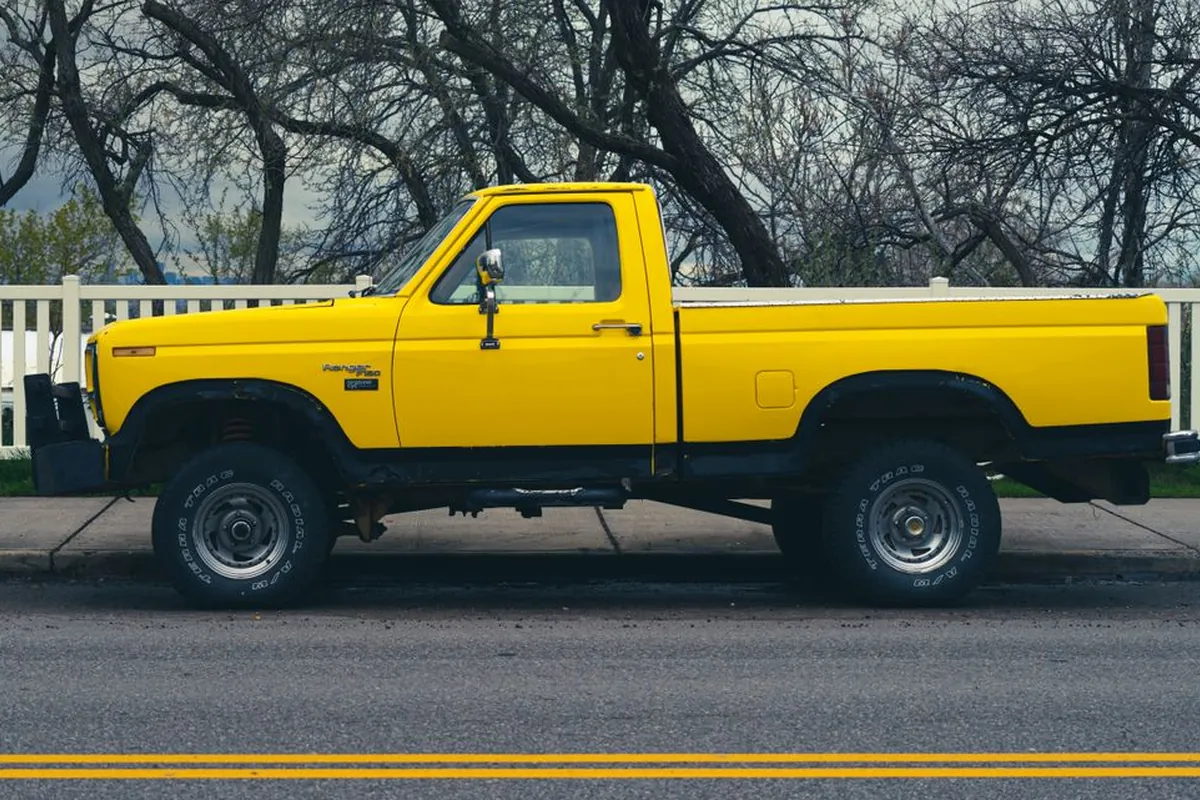
How do I get a wrecked work truck back on the road fast in the Dallas area?
Most work truck downtime is waiting, not repair. Tow it straight to the shop, run the claim alongside, approve teardown early and plan a rental on day one.
More: all fleet and work trucks guides, fleet & work trucks, repair by make, reviews and directions to the shop.