
In short
A fleet account is a standing agreement with a body shop on who drops off vehicles, who approves work, how billing works, what records come back and what pricing applies to work you pay yourself. Discount terms vary by shop and there is no standard rule, so get them in writing and compare the process, not just the percentage.
- Set named approvers, a backup and a written approval limit before the first repair.
- Ask whether a discount covers parts, labor or paint materials, and how it treats claims.
- A fleet account never limits your right to choose the repair shop on a Texas claim.
- Ask for invoices per unit with VIN, dates and work done to fit your maintenance files.
- Send the vehicle list, contacts and livery details once, when you open the account.

How do fleet discounts and fleet accounts usually work?
A fleet account is a standing arrangement between your business and a body shop so that every damaged unit does not start from zero. You agree once on who can drop off a vehicle, who approves work, how you are billed, what paperwork comes back, and what pricing applies to the work you pay for yourself. After that, a driver can bring in a van with the unit number and the shop already knows what to do.
The discount is usually the part people ask about first, and it is the part that varies most. Shops set their own terms: which kinds of work it covers, whether it applies to parts, labor or both, and how it interacts with insurance claims. There is no standard Texas rule for fleet pricing at body shops. The only safe answer is to get the terms in writing from the shop you are considering, including us.
What matters more for most fleets is the process around the discount: fewer phone calls, clear approvals, and records that fit your maintenance files. Our fleet and work truck repair page shows what we take in.
What does a fleet account usually include?
- A vehicle list. Unit numbers, VINs, plates, makes and models, and any upfit such as racks, service bodies or lift gates.
- Named contacts. Who can drop off, who can approve, who gets the invoice, and who to call when something is found during teardown.
- Approval rules. A dollar limit below which the shop may proceed, or a rule that every estimate needs written approval.
- Billing terms. Whether invoices go to one office, are grouped by period, or need a purchase order number.
- Pricing terms for work you pay yourself, and how they apply when an insurer is paying.
- Paperwork you need back: itemized invoices by unit, photos, and anything your compliance files require.
- Logistics: towing, rental or loaner arrangements, and pickup and drop-off routines.
Not every shop offers every item, and a small fleet may need only a few of them. Our guide on what a small business with 3 to 10 vehicles should ask a body shop is written for that size.
Which pricing arrangements should you ask about?
The table lists common ways shops structure fleet pricing and the question that tells you what each really means. These are general patterns, not terms any particular shop offers.
| Arrangement | What it usually means | Question to ask |
|---|---|---|
| Discount on customer-pay work | A reduction on repairs your company pays directly, not through a claim | Does it apply to parts, labor, paint materials, or all of them? |
| Discount on insurance work | Often limited, because the insurer pays a reasonable amount set through the claim | How does the discount affect what I pay on a claim, such as the deductible? |
| Grouped billing | One invoice per period instead of one per visit | Can each unit still show as its own line with its own detail? |
| Pre-approved limit | The shop proceeds on small jobs without calling first | What happens when teardown finds more than the limit? |
| Priority scheduling | Fleet units are scheduled with downtime in mind | What can and cannot be sped up, such as back-ordered parts? |
Compare shops on the answers, not on the size of the headline discount. A small discount with clean approvals and accurate records often costs your company less than a larger one with surprise calls and invoices you cannot match to a unit.
How do approvals work so trucks do not sit waiting?
Many delays on fleet work are not in the repair bay. They are in the gap between "we found more damage" and "go ahead". A clear approval routine closes that gap.
- Name a primary and a backup approver. If one is on vacation, the truck should not wait for them.
- Set a written limit for customer-pay work the shop may do without a call, or decide that you want a call every time.
- Agree on the channel. Email with photos usually works better than voicemail, because it leaves a record for both sides.
- Separate insurance additions from customer-pay additions. On a claim, additional damage goes to the adjuster for approval; on customer-pay work, it comes to you.
- Confirm before teardown whether upfit equipment can be removed and reinstalled by the shop or must go to your upfitter.
On an insurance job, the company still owns the claim. The shop documents the damage, writes the estimate and works with the adjuster, but approvals of coverage come from the insurer. Our guide on how a fleet should handle an insurance claim covers that side.
Does a fleet account change your rights on an insurance claim?
No. Texas Insurance Code 1952.301 says an insurer may not use an auto policy issued in Texas to limit your choice of repair person or facility. TDI's bulletin adds that insurers must not require a claimant to pick a shop from an insurer-provided list, and that the insurer is not required to pay more than a reasonable amount for repairs and parts. So you can send your company vehicles to the shop you have an account with, even when an insurer suggests another.
What a fleet account can change is the part you pay. TDI says that when you use your own insurance, the company subtracts your deductible from the payment and you pay that deductible to the shop. Ask the shop how its fleet terms treat that amount. And if the insurer's estimate and the shop's estimate differ, the difference is worked out through the claim, not through the discount.
How do towing and rentals fit into a fleet account?
A wrecked unit that cannot be driven has to go somewhere, and where it goes first decides how fast it gets fixed. TDI says that after a wreck the police call a towing company to take your vehicle to a storage lot or repair shop you choose. If your drivers know the name and address of your fleet shop, they can give it at the scene and the unit skips a stop at a storage lot.
That matters because storage adds up by the day. TDI says that with collision and comprehensive coverage your policy pays reasonable towing and storage fees, that with liability-only coverage you pay them yourself, and that the other driver's insurer might pay them when its driver caused the crash. TDI also warns about tow trucks that arrive without being called and push a particular shop, followed by a large storage bill. Put three things on the card in each glove box: your fleet shop's name and phone number, your claim contact, and a reminder to confirm that the tow truck was called by the police or by your company.
Ask the shop how towing and rentals work under your account: who arranges the tow, who you call for a replacement vehicle, and how those bills reach the right claim or the right unit. Write the answers into the account terms.
What records should a fleet shop give you?
For businesses that run commercial motor vehicles under federal rules, repair paperwork is not just accounting. 49 CFR 396.3 requires a motor carrier to keep, for each vehicle it controls for 30 consecutive days or more, a record of inspections, repairs and maintenance showing the date and nature of the work, kept for 1 year where the vehicle is housed and for 6 months after the vehicle leaves the carrier's control. A collision repair invoice is one of those records.
Under 49 CFR 396.11, when a driver's report lists a defect likely to affect safe operation, the carrier must repair it before the vehicle runs again and certify on the report that it was repaired or that repair is unnecessary. And 49 CFR 390.15 requires an accident register kept for 3 years, with copies of accident reports required by the state or insurers. Ask your shop for invoices that make those files easy to complete:
- One invoice or invoice section per unit, with the unit number and VIN
- The date in and date out
- A plain description of what was repaired or replaced, including lamps, mirrors, glass and reflectors
- Before and after photos, if your files or your insurer need them
See what crash records a Texas fleet has to keep for the full list.
What should you send to open a fleet account?
- Your company's legal name, billing address and the invoice contact
- The vehicle list with unit numbers, VINs, plates and upfit notes
- Names and contact details of approvers and the backup
- Your approval limit and purchase order rules, if any
- Your insurer and agent contacts, for claim work
- Lettering and livery details: artwork, colors and the marking text, so repainted panels come back right; see fleet repaint and color match
- Any records format your compliance staff wants
Fleets that need body, frame, mechanical and glass work under one roof can read whether one shop can handle all of it, and our earlier piece on what a fleet manager should ask a body shop has a longer question list.
How ACE Body & Frame helps
ACE Body & Frame has been on S. Peachtree Road in Balch Springs since 1987, serving Balch Springs, Mesquite and the surrounding area. We offer fleet and work vehicle repair with fleet discounts, along with collision repair, auto body and paint, suspension and frame repair, mechanical diagnostics, state inspections, welding, fabrication and glass replacement. Towing and rental car service are available. We have repaired transit buses, utility-bed trucks and large fleets.
Ask us for our fleet terms in writing, and compare them with any other shop's. We accept all insurance claims, estimates are free and computerized, and repairs are satisfaction guaranteed. Learn more about the shop, or browse fleet and work truck guides.
Call 972-286-0935 Monday to Friday to talk about an account, or send us your fleet details and we will reply with how we would set it up. Have a damaged unit now? Request a free estimate.
Questions people ask next
Do fleet discounts apply to insurance repairs?
It depends on the shop. On a claim, the insurer pays a reasonable amount set through the estimate and any approved additions, so a discount often matters more on work your company pays directly. Ask each shop in writing how its fleet terms treat insurance jobs and the deductible you pay on your own policy.
How many vehicles does a business need for a fleet account?
There is no general rule; each shop sets its own. Even a business with a few work vehicles benefits from agreeing on contacts, approvals and billing in advance. Ask the shop what it needs from you to set up an account, and what changes as your vehicle count grows.
Can an insurer make us use its preferred shop instead of our fleet shop?
Texas Insurance Code 1952.301 says an insurer may not use an auto policy issued in Texas to limit your choice of repair facility, and TDI's bulletin says insurers must not require a claimant to choose from an insurer list. The insurer is not required to pay more than a reasonable amount for the repair.
What should a fleet repair invoice show?
For your files, each unit should have its own invoice or section with the unit number, VIN, dates in and out, and a plain description of the work. Carriers under 49 CFR 396.3 must keep records of repairs with their date and nature, and a collision repair invoice is one of those records.
What slows down repairs on fleet vehicles the most?
Often it is approvals rather than the repair itself: a shop finds more damage and waits for someone to say yes. A primary and backup approver, a written limit for customer-pay work, and email approvals with photos cut much of that waiting. Back-ordered parts and upfit removal can also add time.
Ready to get your vehicle back to work?
ACE Body & Frame, 2922 S. Peachtree Road, Balch Springs. Free computerized estimates, all insurance claims accepted.
Sources
- 49 CFR 396.3
- 49 CFR 396.11
- 49 CFR 390.15
- Tex. Ins. Code 1952.301
- TDI Commissioner's Bulletin B-0026-11
- TDI, "Don't fall victim to a towing scam"
- TDI, "Steps to getting your home or car insurance claim paid"
Read next
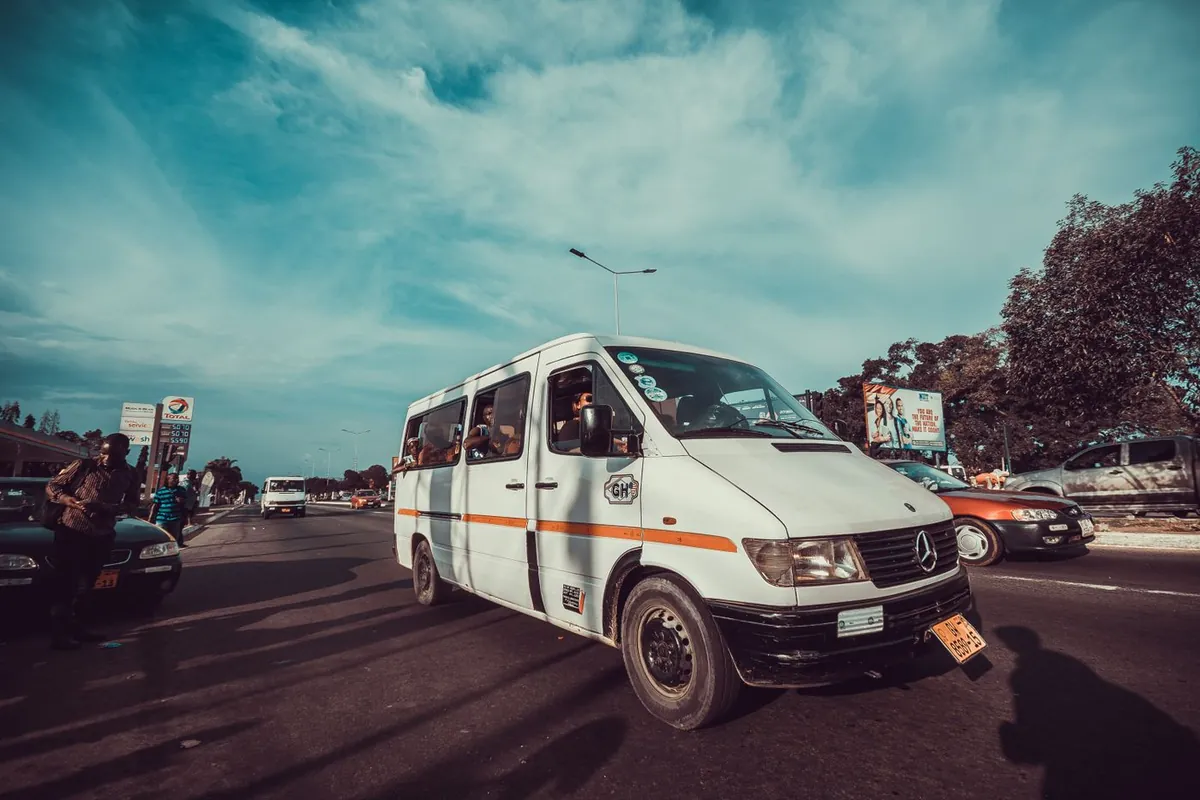 Fleet and work trucks
Mercedes Sprinter van collision repair east of Dallas: what should a fleet manager know?
Mercedes-Benz says a post-repair scan is necessary after a collision repair. Plan scans, parts, glass and passenger van rules before your Sprinter goes in.
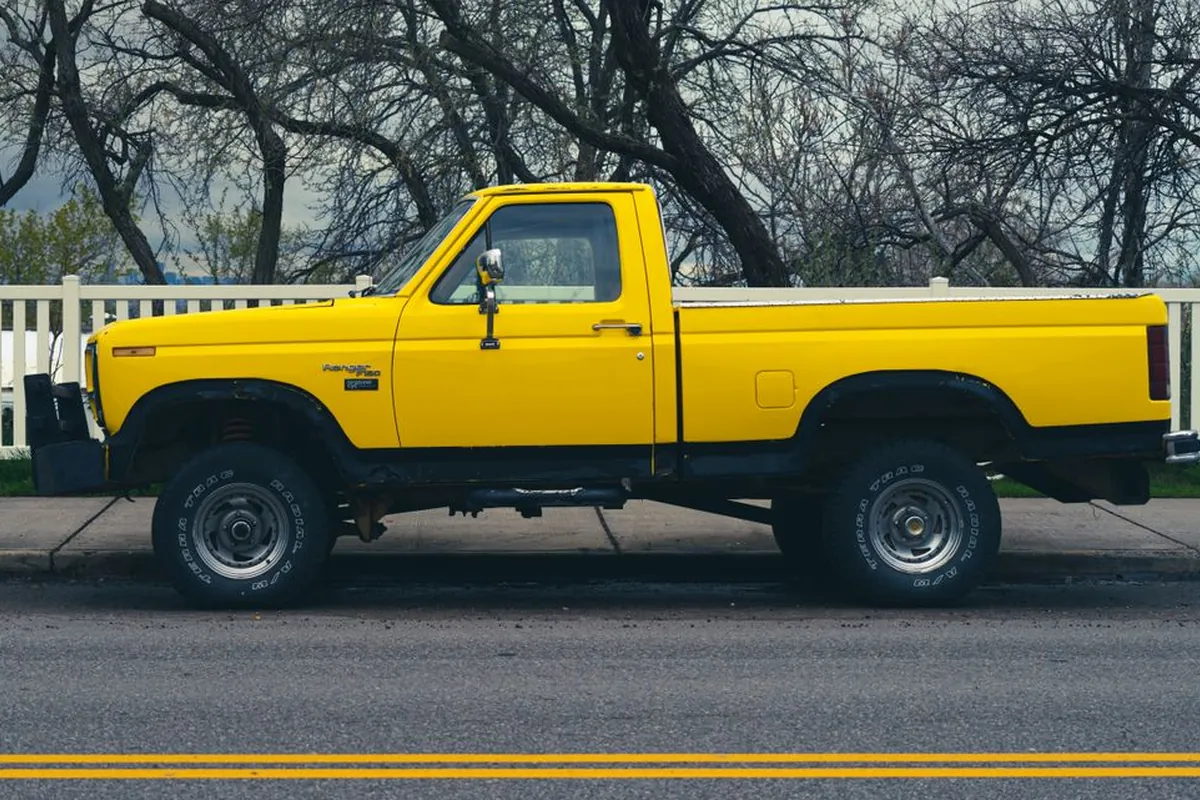 Fleet and work trucks
How do I get a wrecked work truck back on the road fast in the Dallas area?
Most work truck downtime is waiting, not repair. Tow it straight to the shop, run the claim alongside, approve teardown early and plan a rental on day one.
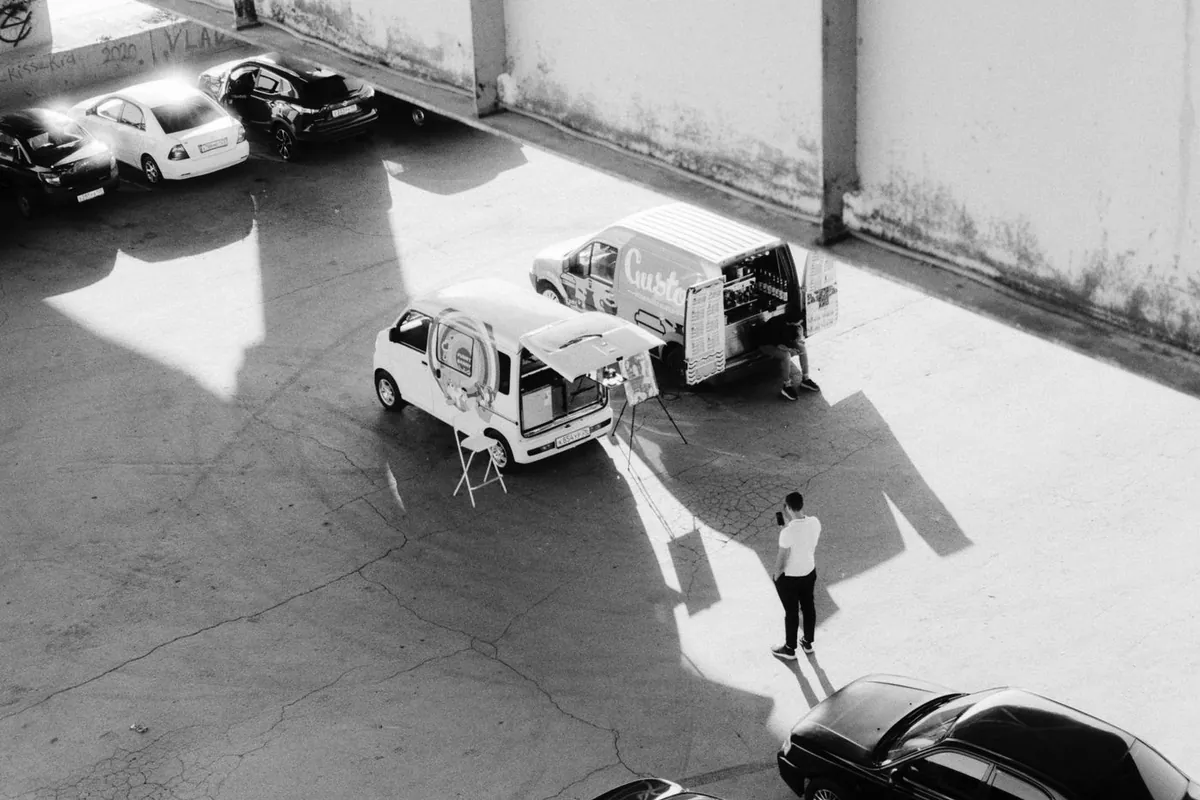 Fleet and work trucks
What should a small business with 3 to 10 vehicles ask a body shop?
Running 3 to 10 work vehicles near Mesquite? The questions to ask a body shop about start dates, approvals, billing, claims and the records to keep.
More: all fleet and work trucks guides, fleet & work trucks, repair by make, reviews and directions to the shop.