
In short
Name one person to own each claim, report it quickly to the right insurer, collect the scene evidence, choose the repair shop yourself and keep one file per unit. Texas law bars insurers from limiting your choice of repair shop, though they need only pay a reasonable amount for repairs and parts.
- The company owns the claim; give one manager the job of talking to the adjuster.
- No deductible applies on a claim against another driver's insurer.
- Texas Insurance Code 1952.301 and 1952.302 protect your choice of repair shop.
- If the other insurer stalls, your own collision coverage can repair the unit sooner.
- Commercial policies have their own terms; confirm deadlines with your agent.
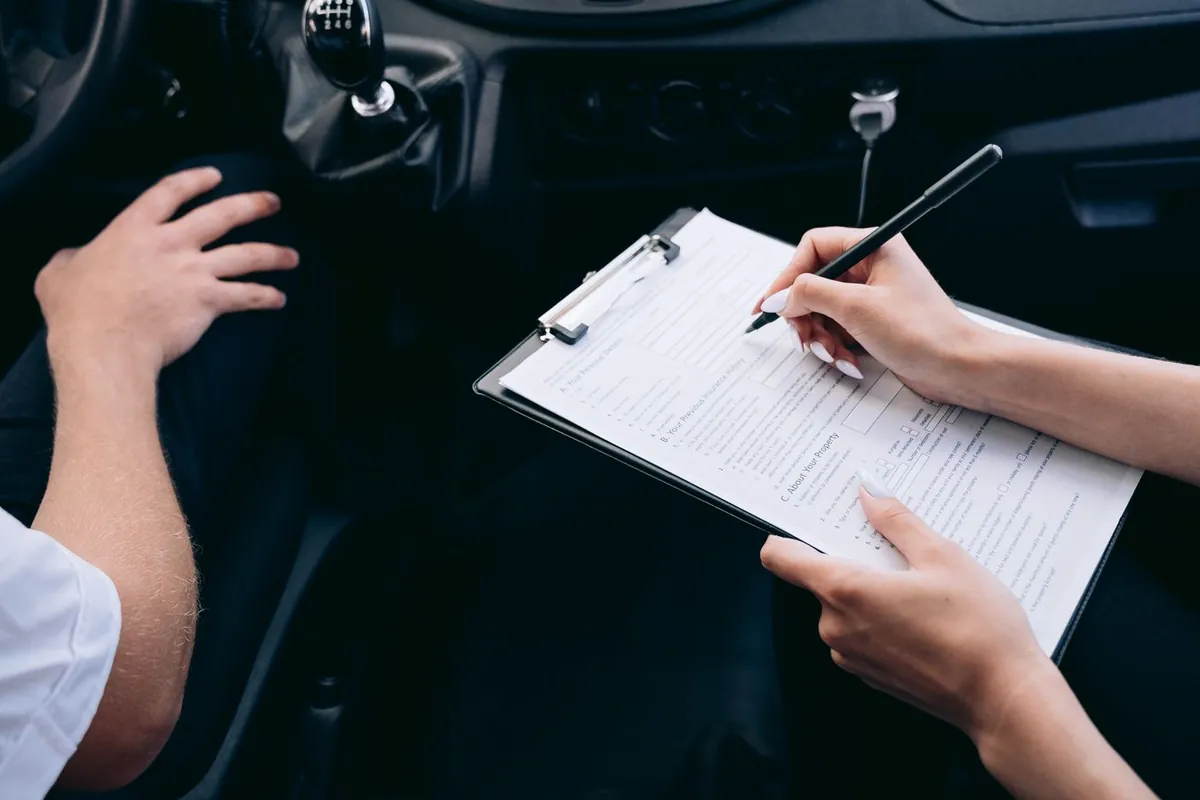
How should a fleet handle a claim on a company vehicle?
Name one person who owns the claim, report it quickly to the right insurer, collect the scene evidence while it still exists, choose the repair shop yourself, and keep every message in one file per unit. Most fleet claims that go badly do so because three people talked to the adjuster, nobody had the photos, and the truck sat at a tow lot while the office decided what to do.
The company, as the vehicle owner, owns the claim. The driver reports what happened. The body shop documents the damage, writes the estimate and works with the adjuster on the repair. The insurer investigates and pays what it owes under the policy. Keeping those roles clear is most of the work.
One caution before the details. Several of the consumer rules quoted below come from the Texas Consumer Bill of Rights for personal auto policies. A commercial auto policy has its own terms. Read your policy, and ask your agent which rules and deadlines apply to it. If you want the shop side of the process first, see our fleet and work truck repair page.
Whose insurance pays in which case?
The table shows the usual path for the most common fleet losses, based on what the Texas Department of Insurance (TDI) says about each coverage.
| What happened | Usual claim | Deductible | Watch for |
|---|---|---|---|
| Your driver caused the crash | Your collision coverage for your vehicle; your liability coverage for the other party | Yes, on collision | Repair payments are capped at the vehicle's actual cash value |
| Another driver caused it | The other driver's liability insurer | No deductible on a claim against another driver's insurer | TDI says payment is not assured; the other insurer may dispute fault |
| The other driver has no insurance or left the scene | Your uninsured/underinsured motorist coverage, if you carry it | Yes | Police report matters; TDI lists hit-and-run under UM/UIM |
| Hail, flood, fire, vandalism or theft | Your comprehensive coverage | Yes | Photograph the damage before anything is moved |
| Other insurer refuses or underpays | Your own collision claim | Yes, but your insurer may try to recover it | Ask the other insurer for its reasons in writing |
Read the first column, then check your policy for the coverage in the second. If you do not carry that coverage, the row does not help you, so confirm coverage before you promise a driver or customer anything. TDI's guide gives an example: a collision claim for 1,500 dollars with a 500 dollar deductible pays 1,000 dollars, and the owner covers the rest.
Who in the company should own the claim?
Pick one claim owner per incident, usually the fleet or office manager. That person:
- Reports the loss to your insurer, and to the other driver's insurer when the other driver is at fault.
- Gets the adjuster's name and phone number, as TDI advises, and is the only one who gives statements about the vehicle.
- Chooses the shop and tells the insurer where the vehicle is.
- Approves the repair, any additions to the estimate and the rental.
- Keeps the file. The Bill of Rights advises keeping records of all claim communications, estimates and receipts. That is good practice under any policy.
The driver's job is the scene. Our driver checklist after a company vehicle crash is written to hand to them.
What should be reported, and how fast?
Report the loss as soon as you can. Your policy sets its own notice terms. Under Texas Insurance Code 542.055, not later than the 15th day after it receives notice of a claim, an insurer must acknowledge it, start any investigation and request what it reasonably needs. The Consumer Bill of Rights then gives the insurer 15 business days after it has all the information to approve or deny the claim in writing, extendable up to 45 days if it tells you why it needs more time, and 5 business days after approval to pay. The Bill of Rights states these deadlines for a claim on your own policy, so do not count on them when the other driver's insurer is paying. See how long an insurer has to pay in Texas.
The police report is often the key document. Under Transportation Code 550.062, an officer who investigates a crash that caused injury or death, or damage to any one person's property of an apparent 1,000 dollars or more, must file a written report within 10 days. TxDOT sells crash reports (Form CR-3) online, in a regular copy and a higher-priced version meant for official use such as legal proceedings. The Mesquite Police Department says it does not write a report for every crash and that it can take up to 14 days for one to appear in TxDOT's search.
If you run regulated commercial motor vehicles, federal recordkeeping rules may also apply after a crash. Our guide on crash records a Texas fleet must keep lists what goes in it.
Can the insurer tell us which body shop to use?
No. Texas Insurance Code 1952.301 says an insurer may not use an auto policy issued in Texas to limit the beneficiary's choice of repair person or facility, or to specify the brand, type, age, vendor or condition of parts. On a claim against the other driver's insurer, it may not require the claimant to use a particular shop or parts. Section 1952.302 bars insurers and adjusters from stating or suggesting that you must use a specific shop, or one on a preferred list, for the repair to be covered.
There is a limit on the other side: the Bill of Rights says the insurer is not required to pay more than a reasonable amount, and TDI's guide says insurers must pay for parts of like kind and quality, which are not necessarily original maker parts. For a full walk-through, see choosing your own body shop on a Texas claim.
What if the other driver's insurer will not pay?
TDI lists the usual problems: the other insurer says its driver was not at fault, says both drivers share fault, says its driver does not have enough coverage, does not return calls, or waits on its own policyholder. TDI notes you have no contract with that company, so your options are more limited than with your own insurer. If it refuses, ask for the reason in detail and in writing.
Your fallback is your own collision coverage. TDI says your company will try to recover what it paid, including your deductible, from the other insurer, and if it recovers money you might get your deductible back. Making that switch early often gets a working truck repaired sooner than waiting on a disputed liability claim. More on this in whose insurance fixes the car when the other driver was at fault.
How do estimates, adjusters and supplements work on a fleet claim?
- Inspection. The adjuster works for the insurance company and estimates what it will pay. It helps to have someone there when the adjuster looks at the vehicle.
- Estimates. The insurer provides an estimate. The shop writes its own from its inspection.
- Teardown. Damage hidden behind bumpers, liners and upfit equipment often shows up once parts come off.
- Additions. TDI explains that if repairs cost more, the shop sends a new estimate to the insurer, and the insurer pays the extra if it agrees. Shops call this a supplement; see what a supplement is and who pays it.
- Disagreement. If the amounts stay apart, the Bill of Rights gives you or the insurer the right to demand appraisal for a dispute about the amount of damage. See when the insurance estimate is lower than the shop's.
What goes in the claim file for each unit?
- Unit number, VIN, plate and the policy it is insured under
- Driver's statement, scene photos, the other party's insurance and license details, witness names
- Police report number and the purchased CR-3 report
- Claim numbers, adjuster names and every email or letter
- Estimates, approved additions, the final repair invoice and proof of deductible payment
- Rental or replacement-vehicle records
Keep the file open until the money side is settled, not just until the truck is back. If you paid a deductible on a crash another driver caused, the file is how you follow up on whether your insurer recovered it. If an insurer denies part of a claim, ask for the reason in writing and put that letter in the same folder. And when the repair invoice comes in, file a copy with the unit's maintenance records as well, so the next person who works on the vehicle can see what was replaced and when.
How ACE Body & Frame helps
ACE Body & Frame has been on S. Peachtree Road in Balch Springs since 1987, serving Balch Springs, Mesquite and the surrounding area. We accept all insurance claims and give free computerized estimates. You have the right to choose where your vehicle is repaired. Towing and rental car service are available.
On a fleet claim, you own the claim; we document the damage with photos, write the estimate and work with the adjuster on what the repair needs, including any additions found after teardown. We have repaired transit buses, utility-bed trucks and large fleets, and our fleet program includes fleet discounts. Repairs are satisfaction guaranteed. More answers are under fleet and work trucks, or reach us through our contact page.
Call 972-286-0935 Monday to Friday with the claim number, or request a free estimate and attach the scene photos. If several units are involved, send us the fleet details so we can set up one point of contact.
Questions people ask next
Does the Texas Consumer Bill of Rights apply to commercial auto policies?
The Bill of Rights we quote is written for personal automobile policies. Some protections come from statutes, such as the Insurance Code sections on choice of repair shop and prompt payment, but a commercial policy has its own terms. Read your policy and ask your agent which rules and deadlines apply to your company vehicles.
Should the driver talk to the other driver's insurance company?
It is better for one claim owner in the office to handle every insurer contact. The driver should give the facts to that person, take photos and collect the other driver's details at the scene. Having one voice keeps statements consistent and makes sure every message lands in the unit's claim file.
Can an adjuster refuse to pay because we chose our own body shop?
Texas Insurance Code 1952.302 bars insurers and adjusters from stating or suggesting that you must use a specific shop, or one on a preferred list, for the repair to be covered. The insurer is not required to pay more than a reasonable amount. If the amounts differ, the shop and the adjuster work through the estimate.
How do we get a copy of the police report for a fleet claim?
TxDOT sells crash reports, Form CR-3, through its online purchase system, including a version meant for official use. The Mesquite Police Department says it does not write a report for every crash, and that a report can take up to 14 days to appear. Ask the officer at the scene for the report number.
What if our insurer and the shop disagree on the repair amount?
TDI explains that the shop sends a new estimate when repairs cost more, and the insurer pays the extra if it agrees. For a dispute about the amount, the Bill of Rights describes appraisal, which settles the amount of damage, not whether something is covered. Check your own policy for its appraisal terms and deadlines.
Ready to get your vehicle back to work?
ACE Body & Frame, 2922 S. Peachtree Road, Balch Springs. Free computerized estimates, all insurance claims accepted.
Sources
- TDI, Automobile insurance guide (cb020)
- Tex. Ins. Code 1952.301
- Tex. Ins. Code 1952.302
- Tex. Ins. Code 542.055
- TDI, "Not your fault? How to deal with the other driver's insurance"
- TDI, "Were you in a wreck? Tips for auto insurance claims"
- Tex. Transp. Code 550.062
- TxDOT, "Crash reports and records"
- Consumer Bill of Rights, Personal Automobile Insurance (28 TAC 5.9970(b), 2026 Version)
- City of Mesquite, Police Department Portal
Read next
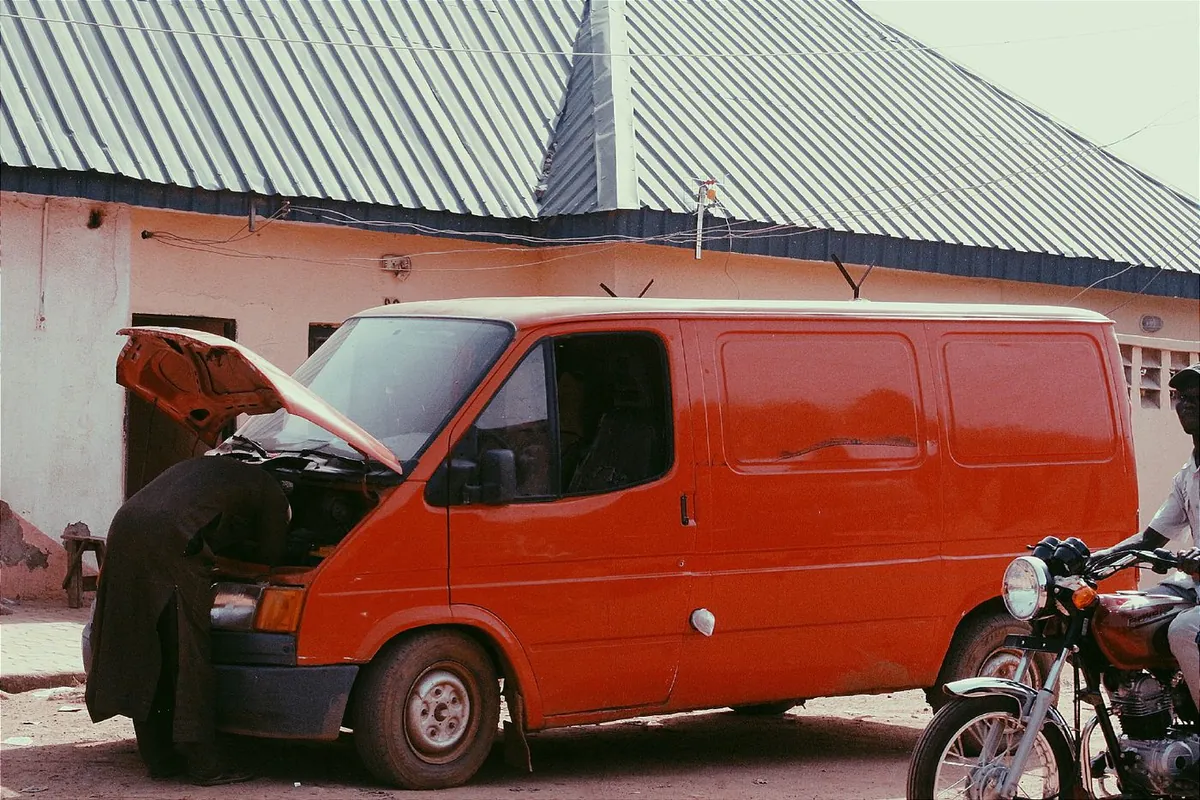 Fleet and work trucks
Where can I get a Ford Transit cargo van body repaired near Dallas?
A Transit needs a shop that fits a tall van, scans it before and after as Ford requires, and handles sensors, shelving and lettering. What to ask and bring.
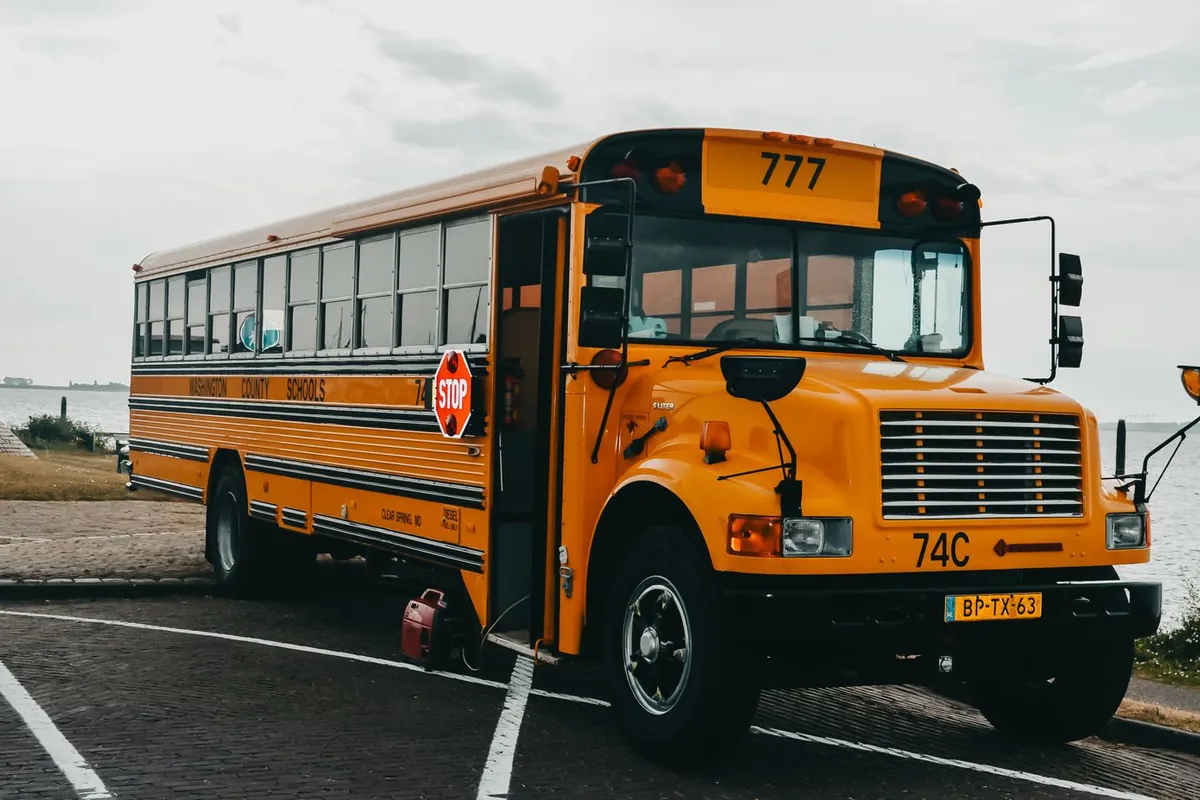 Fleet and work trucks
Where can a church or school get a bus or van body repaired near Balch Springs?
Church or school bus or van damaged? What to check before the next trip, which Texas rules may apply, and what to send a body shop near Balch Springs.
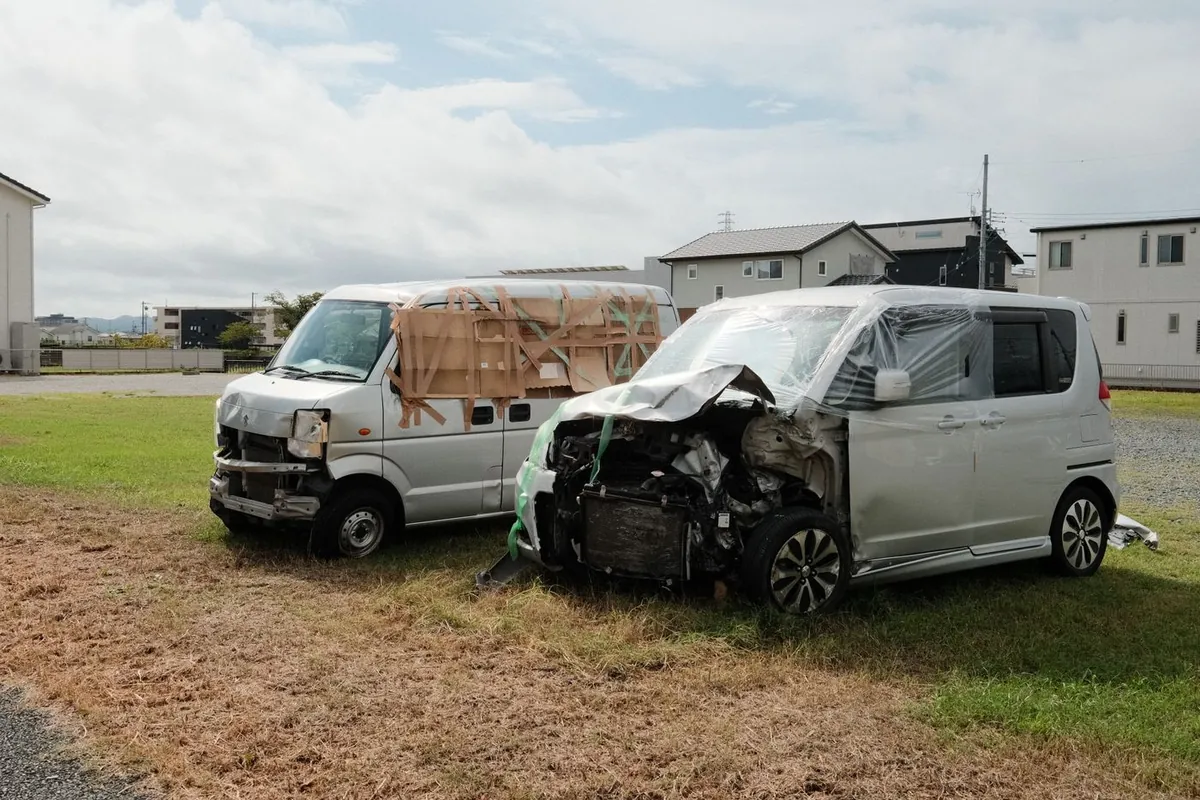 Fleet and work trucks
How do I keep a damaged work van safe to drive until it is repaired?
When a damaged work van should be parked, which temporary fixes are fine, and the daily check drivers should run until the repair, under Texas rules.
More: all fleet and work trucks guides, fleet & work trucks, repair by make, reviews and directions to the shop.