
In short
Drivers should stop, check for injuries, move out of traffic if the vehicle can be driven, call police when someone is hurt or a vehicle cannot move, exchange the information Texas law requires, photograph everything and call the office. The vehicle should go only with a tow truck the police or the company called, to the shop the company chose.
- Texas law requires drivers to stop, exchange information and help anyone injured.
- If no one is hurt and the vehicle can be driven, move it out of traffic.
- Photograph insurance cards, licenses, plates, damage, signs and the road.
- Confirm the police or the company called the tow truck before handing over keys.
- CDL crashes may trigger post-accident testing with strict hours for the employer.
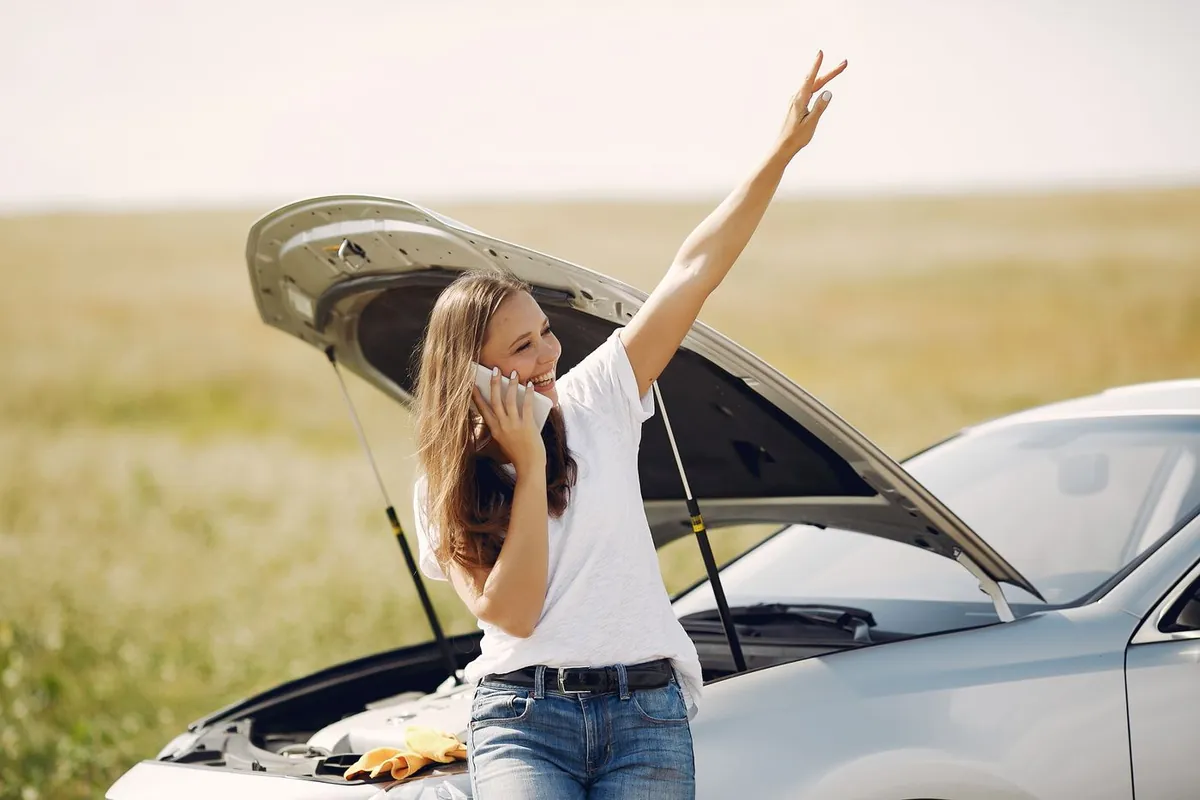
What should my drivers do at the scene of a crash in a company vehicle?
Your drivers need a short, fixed routine they can follow while shaken: stop, check on people, get out of traffic if the vehicle can move, call the police when the situation calls for it, exchange the information Texas law requires, photograph everything, call the office, and let the vehicle go only to a tow truck that the police or your company called, headed for the shop you choose.
Most of what goes wrong after a fleet crash starts in the first stretch at the scene. A driver who leaves before exchanging information, forgets photos, or hands the keys to a tow truck nobody called can turn a simple claim into a long one. Hand this page to your drivers, or copy the checklist near the end onto a card for each glove box.
This guide covers the driver's part. The office's part, the claim and the repair, is in our guides on fleet insurance claims in Texas and on our fleet and work truck repair page.
What does Texas law require a driver to do after a crash?
These duties apply to every driver in Texas, in a company vehicle or not. They are summarized from the Transportation Code; nothing here is legal advice.
- Stop. Under section 550.021, a driver in a crash that results or is reasonably likely to result in injury or death must immediately stop at or as close as possible to the scene, check whether anyone needs aid, and remain until the information exchange is done. Section 550.022 sets the same stop-and-remain duty when only a vehicle driven or attended by a person is damaged, without blocking traffic more than necessary.
- Give information and help. Section 550.023 requires the driver to give name and address, the vehicle's registration number and the name of the liability insurer, to show a driver's license if asked and available, and to give reasonable help to anyone injured, including arranging transport to a doctor or hospital if treatment appears necessary or is requested.
- Unattended vehicle. Under section 550.024, a driver who hits a parked, unattended vehicle must stop and either find the owner or leave a written note in a conspicuous place with the driver's name and address, the owner's name and address, and what happened.
Leaving the scene is a criminal matter. Under 550.021, failing to stop after a crash involving injury or death is a felony in the worst cases. Make it clear to drivers that no delivery schedule outranks staying at the scene.
When should the driver call the police, and when should the vehicle move?
This table sorts common scene situations by what the driver should do first.
| Situation at the scene | Driver's first move | Then |
|---|---|---|
| Anyone hurt | Call 911 | Help as section 550.023 requires; do not move injured people unless they are in danger |
| No one hurt, vehicles can be driven | Move out of the flow of traffic | Exchange information; TxDOT says not to wait for police before moving |
| Crash on a freeway lane, ramp or shoulder in a metro area, vehicles drivable | Move to the frontage road, nearest cross street or other safe spot | Section 550.022(b) requires it when each vehicle can be driven normally and safely |
| Vehicle cannot be moved | Call the police | Turn on hazard lights, stay safe, call the office about towing |
| Other driver seems intoxicated, has no insurance, or leaves | Call the police | Note the plate and a description; TxDOT lists each of these as a reason to call |
| Hit a parked car with no one around | Stop and look for the owner | Leave a written note as section 550.024 requires; photograph it in place |
Read it top down and stop at the first row that fits. Injury always comes first. When in doubt about whether to call the police, call, and ask for a copy of the report for your insurer, as TDI advises.
What information should the driver collect?
TxDOT says drivers should exchange names, addresses, phone numbers, vehicle identification numbers, license plate numbers, insurance information and driver's license information, and note the crash location and witnesses' names, addresses and phone numbers. TDI adds:
- Photograph the other driver's insurance card and license. If there is no card, write down the driver's name, phone, insurer and policy number.
- Photograph every vehicle: plates and damage, from several angles, including your own unit.
- Photograph the scene: street signs and the angle of the road.
- Write down the location, time, weather and what happened, while it is fresh.
- Get the officer's name and the report number, if police came.
Give your drivers one rule for conversation: be polite, share the required information, and leave questions of fault to the insurers. A driver's guess at the scene often ends up quoted in the claim.
Before driving away in a unit that seems fine, the driver should also walk around it once: look for fluid under the vehicle, a tire rubbing on bent sheet metal, a hanging bumper, lights that no longer work and a mirror that will not hold its position. Anything on that list is a reason to call the office before moving on, not after the next stop. A photo of each problem helps the office and the shop decide whether the unit can finish the day.
Who should tow the vehicle, and where should it go?
TDI explains that if a vehicle cannot be driven, the police call a tow truck, and you can have it towed to a storage lot or body shop of your choice. TDI also warns about a scam: a tow truck arrives without being called by you or the police, recommends a particular shop, and the owner later gets a large bill for storage and other fees.
- Confirm who called the tow truck. TDI advises confirming the driver is the one you or the police called.
- Give the destination. Your drivers should carry the name and address of your chosen shop.
- Read before signing. TDI says to read anything you are asked to sign, know where the vehicle is going and get a receipt showing the towing fee.
- Take personal and company items that will be needed: phones, tablets, cash bags and any company paperwork the office asks for.
If a unit has already gone to a storage lot, see how to get a towed vehicle to your body shop. If it can be driven but is damaged, read how to keep a damaged work van safe until repair before it goes back out.
What extra steps apply to CDL drivers?
If the driver holds a CDL and was driving a vehicle covered by the federal testing rules, 49 CFR 382.303 may require post-accident alcohol and drug tests. The rule applies when the crash involved a fatality, or when the driver received a citation for a moving violation and the crash involved an injury treated away from the scene or a vehicle towed away with disabling damage. The citation must come within 8 hours for the alcohol test and 32 hours for the drug test.
The timing is the employer's problem to manage. If the alcohol test is not given within 2 hours, the employer must record why, and must stop trying after 8 hours; the drug test must be given within 32 hours. That means the driver's first call to the office has to include enough detail for the manager to decide right away whether a test is needed. Put your testing contact on the glove box card.
What goes on the glove box card?
- Stop. Check for injuries. Call 911 if anyone is hurt.
- If no one is hurt and the vehicle can be driven, move out of traffic.
- Call the police if the vehicle cannot move, a driver seems intoxicated, has no insurance, or leaves.
- Exchange: name, address, phone, insurer, plate, VIN, driver's license.
- Photograph: both insurance cards and licenses, all vehicles, plates, damage, signs, the road.
- Get witness names and phone numbers and the officer's report number.
- Call the office: [manager name and phone]. Testing contact: [name and phone].
- Tow only with a truck the police or the company called, to: [shop name and address].
- Do not argue fault. Read anything before signing.
Fill in the bracketed lines for your company. For the office's follow-up, see what crash records a fleet must keep and what a commercial vehicle needs before it goes back in service. For a personal vehicle, our general guide on what to do right after a car accident in Dallas County follows the same steps.
How ACE Body & Frame helps
ACE Body & Frame has been on S. Peachtree Road in Balch Springs since 1987, serving Balch Springs, Mesquite and the surrounding area. Towing is available, and you can put our name and number on your drivers' cards: ACE Body & Frame, 2922 S. Peachtree Road, Balch Springs, Texas 75180, 972-286-0935, Monday to Friday.
When a unit arrives, we photograph the damage, write a free computerized estimate and work with the adjuster on what the repair needs. You own the claim; you also have the right to choose where your vehicle is repaired. We accept all insurance claims, our fleet repair service comes with fleet discounts, and repairs are satisfaction guaranteed. More fleet answers are under fleet and work trucks, and directions are on our contact page.
After a crash, request a free estimate and attach the driver's photos. To put our details on your cards ahead of time, send us your fleet details.
Questions people ask next
Should my driver wait for the police before moving the vehicle?
TxDOT says that if no one is hurt, do not wait for the police before moving, and that a vehicle that can be driven must be moved out of the flow of traffic. On a metro freeway, section 550.022(b) requires drivable vehicles to move to the frontage road, nearest cross street or another suitable spot.
What if my driver hits a parked car and nobody is around?
Section 550.024 of the Transportation Code requires the driver to stop and either find the owner or leave a written note in a conspicuous place on the vehicle with the driver's name and address, the owner's name and address, and what happened. Have the driver photograph the note in place and call the office.
Does every company vehicle crash require a drug and alcohol test?
No. Under 49 CFR 382.303, testing applies to CDL drivers covered by the federal rules when the crash involved a fatality, or when the driver was cited for a moving violation and someone was treated away from the scene or a vehicle was towed with disabling damage. Your testing contact should decide quickly.
Can the police choose where a company vehicle is towed?
TDI says that when a vehicle cannot be driven, the police call a tow truck, and you can have it towed to a storage lot or body shop of your choice. Give drivers the name and address of your chosen shop so they can state it at the scene, and have them get a receipt for the tow.
Should my driver admit fault or apologize at the scene?
Drivers should be polite, give the information Texas law requires and help anyone injured, but leave questions of fault to the insurers and the police. A driver's guess about who caused the crash, said in the moment, can end up in the claim file. Ask your insurer or an attorney for guidance.
Ready to get your vehicle back to work?
ACE Body & Frame, 2922 S. Peachtree Road, Balch Springs. Free computerized estimates, all insurance claims accepted.
Sources
- Tex. Transp. Code 550.021
- Tex. Transp. Code 550.022
- Tex. Transp. Code 550.023
- Tex. Transp. Code 550.024
- TxDOT, "Tips to avoid collisions and what to do when one occurs"
- TDI, "Were you in a wreck? Tips for auto insurance claims"
- TDI, "Don't fall victim to a towing scam"
- 49 CFR 382.303
Read next
 Fleet and work trucks
Who repairs fleet vehicles after an accident near Mesquite and Balch Springs, TX?
Fleet vehicles need a shop that fits big units, fixes frames and keeps the paperwork straight. What to do first, what to send, how to get the crash report.
 Fleet and work trucks
What should a fleet manager ask a body shop before sending work trucks in the Dallas area?
What to ask a Dallas area body shop before sending vans, box trucks or utility beds: capacity, in-house work, approvals, billing and crash records.
 Fleet and work trucks
Who paints and letters fleet vehicles after body repair in the Mesquite area?
How body shops match fleet colors, custom whites and faded units, what the EPA paint rule requires, and how lettering and USDOT markings come back.
More: all fleet and work trucks guides, fleet & work trucks, repair by make, reviews and directions to the shop.