
In short
Your USDOT number stays the same after a body repair, because it belongs to the company and not to a panel. If a door or panel that carried the marking was replaced or repainted, the name and USDOT number must go back on both sides before the truck works as a commercial motor vehicle. Under 49 CFR 390.21T the marking must contrast sharply with the background and be legible in daylight from 50 feet.
- A repair does not change the USDOT number, only whether the truck still displays it.
- The federal rule asks for the name and USDOT number on both sides of the vehicle.
- Lettering must contrast sharply and be legible in daylight from 50 feet while parked.
- The marking may be painted on or be a removable device.
- Put the lettering on the estimate and send photos of both sides before work starts.
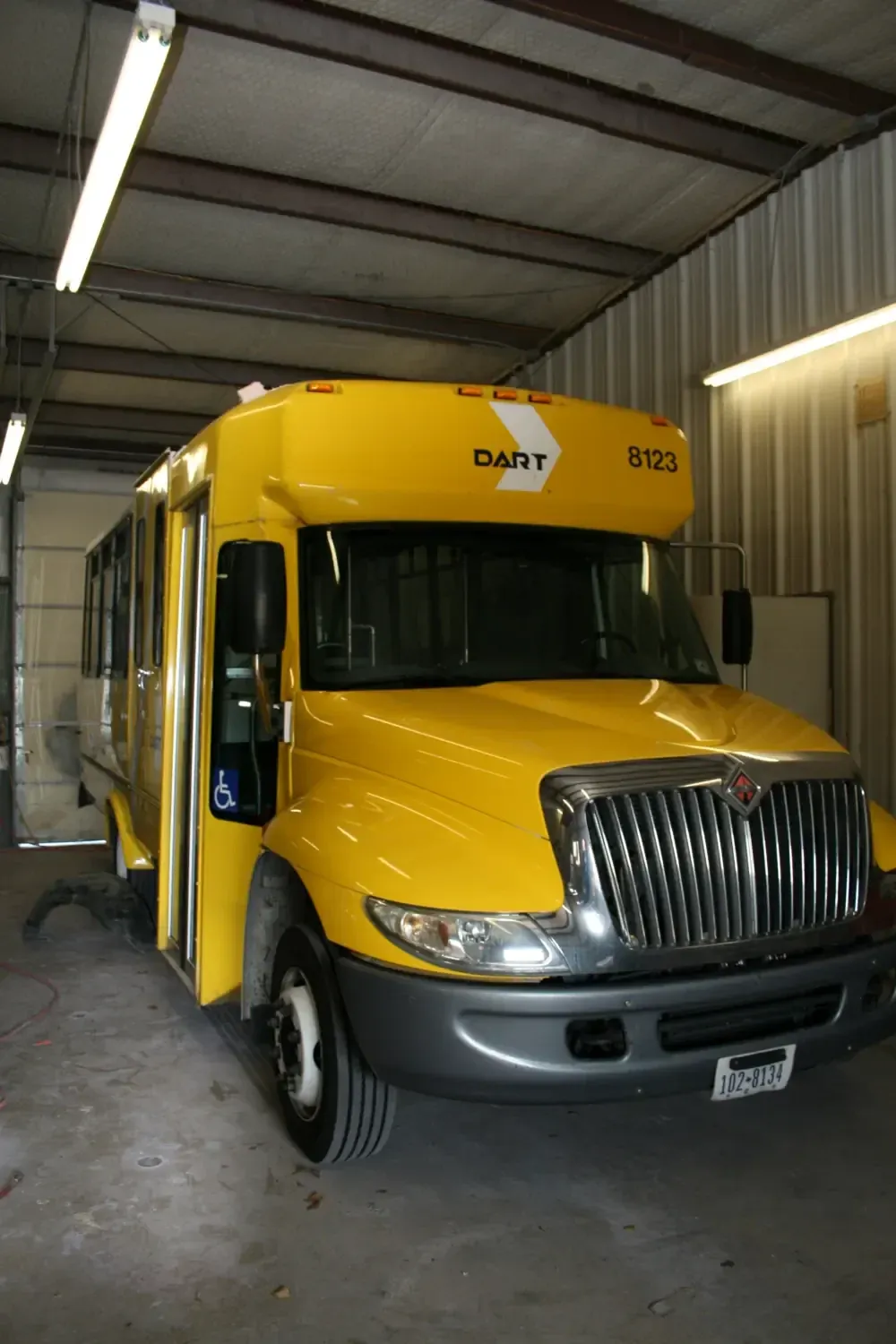
Does the USDOT number have to be redone after body repair?
The number itself does not change. A USDOT number belongs to your company, not to a door or a fender, so a body repair never means applying for a new one. What can change is whether the truck still shows it.
If the repair replaced, reskinned or repainted a panel that carried your company name and USDOT number, the marking has to be back on the truck before it works as a commercial motor vehicle again. The federal rule asks for the marking on both sides. A truck that leaves a body shop with one freshly painted, blank door is not marked the way the rule describes.
So the practical answer for anyone running fleet and work truck repair through a claim is this: treat the lettering as part of the repair, put it on the estimate, and check it before the truck goes back on a route.
What does the federal marking rule say?
The rule is 49 CFR 390.21T. In plain words, a self-propelled commercial motor vehicle must display:
- The motor carrier's legal name or a single trade name. One name, the one your company is registered under or the one trade name you operate as.
- The identification number, preceded by the letters "USDOT". The letters and the number go together.
- On both sides of the vehicle. One side is not enough.
- In letters that contrast sharply with the background. Dark gray lettering on a black door is a problem. So is white lettering on a new white door skin.
- Readily legible in daylight from 50 feet while the vehicle is stationary. That is the test for size and clarity.
The same rule says the marking may be painted on the vehicle or may be a removable device. It tells the carrier what the truck must show, not how a shop does the work.
Which company trucks need the marking in the first place?
Not every company pickup is a commercial motor vehicle under the federal rules. The federal definition in 49 CFR 390.5 is tied to interstate commerce. It covers a vehicle used on a highway to carry passengers or property that meets any one of these:
- A gross vehicle weight rating, gross combination weight rating, gross vehicle weight or gross combination weight of 10,001 pounds or more.
- Designed or used to carry more than 8 passengers, including the driver, for compensation.
- Designed or used to carry more than 15 passengers, including the driver, not for compensation.
- Carrying hazardous materials that require placarding.
Note the word "combination". A pickup that is under the weight line by itself can cross it when it pulls a loaded equipment trailer.
Texas has its own layer. The Texas Department of Motor Vehicles says a valid USDOT number is required before a carrier starts TxDMV motor carrier registration, and that carriers operating only within Texas should register with USDOT as intrastate. TxDMV registration itself applies to carriers that operate, among other cases, a commercial vehicle or combination over 26,000 pounds, a vehicle designed to carry more than 15 passengers including the driver, a commercial school bus, or household goods for compensation.
If you are not sure which side of these lines your trucks fall on, ask TxDMV's motor carrier staff or your compliance contact. If your trucks carried the marking before the wreck, assume they need it after.
Which repairs remove or damage the marking?
Most markings sit on the front doors or on the cab side, which are also the panels that get hit in side-swipes and intersection crashes. The table below shows common repairs and what each one does to the marking.
| Repair on the truck | What happens to the marking | What to plan for |
|---|---|---|
| Door shell or door skin replaced | The marking on that side is gone with the old panel | New lettering on the new panel, matched to the other side |
| Door repaired and repainted | Decals are removed before paint; painted lettering is sanded off | New lettering after the paint has been finished |
| Fender or cab corner repair with paint blended into the door | The edge of the marking may be covered or lifted | Decide before paint whether the lettering stays masked or is redone |
| Box, service body or bed side panel replaced | Company name, unit number or reflective tape on that panel is gone | List every item that was on the panel, not only the USDOT line |
| Bumper, hood or tailgate only | Side markings are usually untouched | Check that nothing was scuffed or covered by overspray masking |
| Full repaint or color change | Everything comes off | Confirm the new color still contrasts sharply with the lettering |
Read the table by the panel, not by the size of the hit. A small dent in a lettered door affects your marking more than a large hit to an unlettered bed side. If the color of the truck changes, read the last row twice, because contrast is part of the rule.
Painted lettering, vinyl or a magnetic sign: which one after a repair?
Because the rule allows a painted marking or a removable device, you have three common routes. Each has a place.
- Painted lettering. Durable and hard to peel. It has to be planned with the paint work, and it is the hardest to change if your company name changes.
- Cut vinyl or a printed decal. The most common choice on vans and pickups. It goes on after the paint is finished. Ask whoever applies it how long fresh paint should cure first, because that depends on the paint system.
- A removable sign. Useful as a bridge when a truck must go back to work before the permanent lettering is ready, or for a rented replacement unit. It still has to meet the same test: both sides, sharp contrast, legible from 50 feet in daylight. Check that it stays put on the panel. A sign will not hold on a non-steel panel the way it does on steel.
Whatever you choose, match the undamaged side: the rule calls for the legal name or a single trade name.
What else on the truck should be checked besides the USDOT line?
The marking is one item. A collision repair on a work truck often touches other things an officer or an inspector looks at.
- Lamps and reflectors. Under 49 CFR 393.11, commercial motor vehicles built on or after December 25, 1968 must at a minimum meet the lamp and reflector requirements of the federal lighting standard in effect when they were manufactured. Replacement lamps and side markers need to be the right kind and in the right place.
- Reflective tape on trailers. The same section requires a conspicuity system of retroreflective sheeting, reflex reflectors or both on trailers 80 inches or wider with a rating over 10,000 pounds built on or after December 1, 1993. Older wide trailers are covered by 49 CFR 393.13. If a trailer side or rear panel is repaired, the tape goes back.
- Proof of the periodic inspection. Under 49 CFR 396.17, proof of the last periodic inspection, the report or a sticker or decal, must be on the vehicle. If the decal was on a replaced panel or glass, plan how you will carry the proof.
- Insurance cab card. TxDMV says a current insurance cab card must be kept in the commercial vehicle. Take it out before the truck is dropped off and put it back before it leaves.
For the wider list of what a commercial unit needs before it returns to work, see what a commercial vehicle needs after a crash before it goes back in service. For the inspection side, see whether commercial vehicles still need a Texas safety inspection.
Who pays for new lettering on an insurance claim?
Lettering that was on the truck before the loss and was destroyed by the damage or by the repair is part of putting the truck back the way it was. Ask for it to be written on the estimate as its own line so the adjuster sees it early. If it is left off and found later, it becomes an addition to the estimate, which works the way we describe in what a supplement on a body shop estimate is.
We cannot tell you what a given policy will pay. The vehicle owner owns the claim. What helps is evidence: a clear photo of each side of the truck from before the wreck, and the invoice or artwork from the last time the lettering was done. Our guide on how a fleet should handle an insurance claim on a company vehicle covers the rest of the paperwork.
What should you send the shop, and what do you check at pickup?
Send these with the truck or by email before the repair starts:
- Photos of both sides of the truck as it looked before the damage. A sister truck in the same livery works if you have no photo of this unit.
- The exact text. Legal name or trade name, the USDOT number, and any TxDMV or unit number you display. Type it out. Do not make anyone read it off a crushed door.
- Artwork files or the name of your sign vendor, if you have one.
- Your choice of method: painted, vinyl or removable, and whether you need a temporary sign to get the truck out sooner.
- The name of the person who approves the proof.
At pickup, walk around the truck before you sign:
- Is the marking on both sides, and do the two sides match?
- Stand back about 50 feet in daylight. Can you read the name and the number without effort?
- Does the lettering contrast sharply with the paint?
- Are the lamps, reflectors and any reflective tape back in place and working?
- Is the cab card back in the cab?
File the repair invoice and the lettering invoice in the unit's folder. Our guide on what crash records a Texas fleet has to keep explains which records have a required retention period. If the repair included a repaint, fleet repaint and color match explains how the color side is handled.
How ACE Body & Frame helps
ACE Body & Frame has been on S. Peachtree Road in Balch Springs since 1987. We do collision repair, auto body and paint, suspension and frame repair, welding and fabrication, and fleet and work vehicle repair with fleet discounts. We have repaired transit buses, utility-bed trucks and large fleets.
When a lettered panel is part of the damage, tell us at the estimate. We photograph the truck as it arrives, write the estimate, and work with the adjuster on what the repair needs. Ask us, as you should ask any shop, how the marking on your truck will be restored and who will apply it, and tell us if you already use a sign vendor. We accept all insurance claims, estimates are free and computerized, and you have the right to choose where your vehicle is repaired. Repairs are satisfaction guaranteed.
You can see examples on our work page and find more answers under fleet and work trucks. To start, call 972-286-0935 Monday to Friday, or request a free estimate and attach photos of both sides of the truck. If you run several units, send us your fleet details and we will set up the paperwork once.
Questions people ask next
Do I need a new USDOT number after my truck is repaired?
No. The number identifies the motor carrier, so it stays the same when a truck is repaired, repainted or fitted with a new door. What you need to confirm is that the truck shows the carrier name and the number again on both sides, in lettering that contrasts with the paint and can be read from 50 feet in daylight.
Can I use a magnetic sign until the permanent lettering is done?
The federal marking rule, 49 CFR 390.21T, says the marking may be painted on the vehicle or may be a removable device. A removable sign still has to meet the same test on both sides: sharp contrast with the background and readily legible in daylight from 50 feet while the vehicle is stationary. Make sure it stays attached to the panel.
Does a pickup under 10,001 pounds need USDOT markings?
The federal definition of a commercial motor vehicle uses 10,001 pounds or more and is tied to interstate commerce, and it counts combination weight, so a pickup with a loaded trailer can qualify. Passenger and hazardous materials rules can also apply. Ask the Texas Department of Motor Vehicles motor carrier staff or your compliance contact about your trucks.
Will insurance pay to replace the lettering on a repaired door?
Lettering that was on the truck before the loss is part of returning it to its earlier condition, so ask for it as a line on the estimate. We cannot say what a policy will pay. The owner of the vehicle owns the claim. Photos of both sides before the damage and the last lettering invoice help the adjuster.
What else should I check on a work truck after body repair?
Check that lamps and reflectors work and sit where they did, that reflective tape on a repaired trailer panel is back, that proof of the last periodic inspection is still on the vehicle, and that the insurance cab card is back in the cab. Then file the repair invoice in the folder you keep for that unit.
Ready to get your vehicle back to work?
ACE Body & Frame, 2922 S. Peachtree Road, Balch Springs. Free computerized estimates, all insurance claims accepted.
Sources
Read next
 Fleet and work trucks
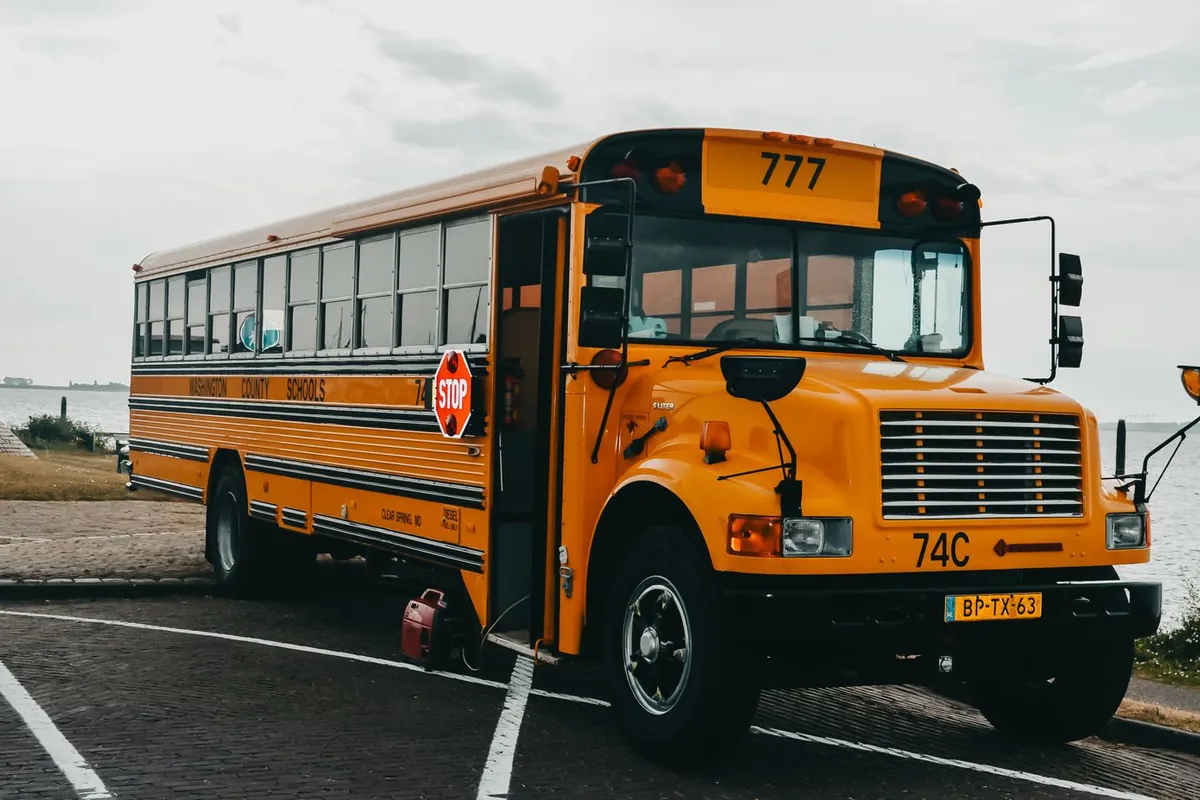
Where can a church or school get a bus or van body repaired near Balch Springs?
Church or school bus or van damaged? What to check before the next trip, which Texas rules may apply, and what to send a body shop near Balch Springs.
 Fleet and work trucks
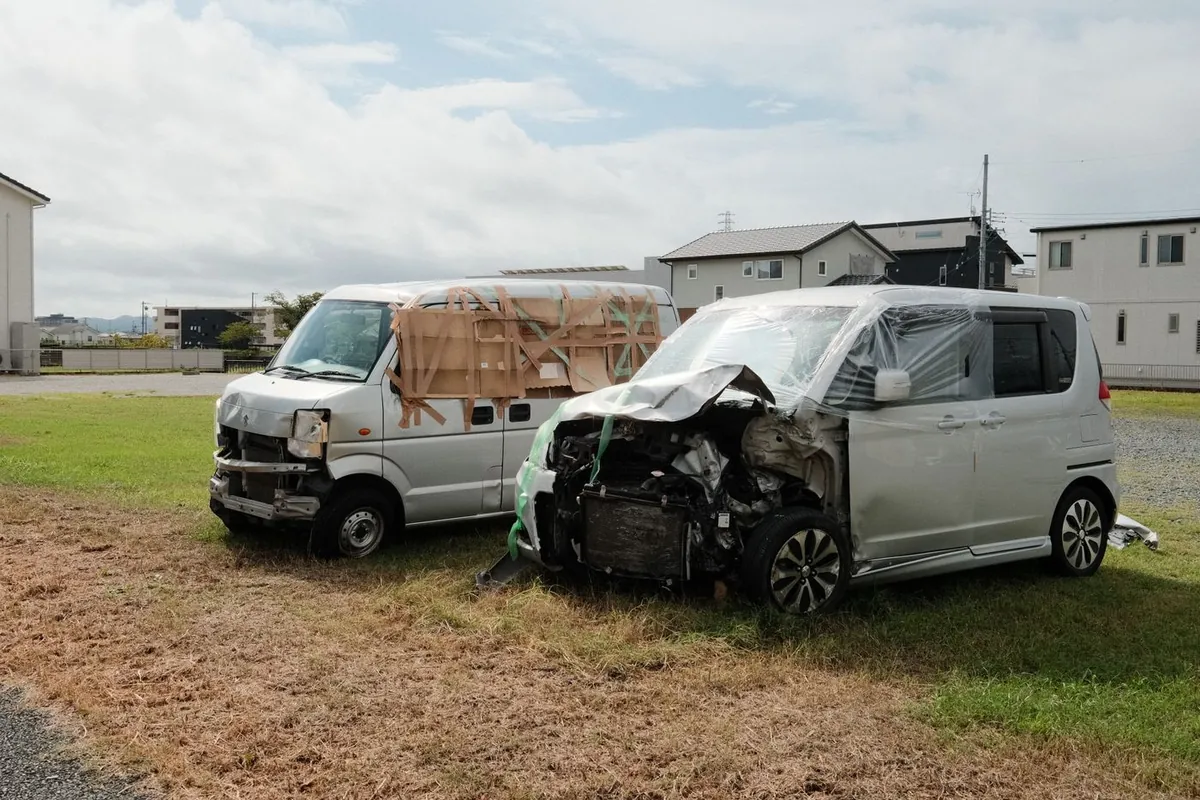
How do I keep a damaged work van safe to drive until it is repaired?
When a damaged work van should be parked, which temporary fixes are fine, and the daily check drivers should run until the repair, under Texas rules.
 Fleet and work trucks
What should my drivers do at the scene of an accident in a company vehicle in Texas?
A scene checklist for drivers of company vehicles in Texas: legal duties, when to call police, what to photograph, safe towing and CDL testing timing.
More: all fleet and work trucks guides, fleet & work trucks, repair by make, reviews and directions to the shop.