
In short
Call a body shop you choose and ask whether your Camry or Corolla will be scanned before and after the repair. According to I-CAR's summary of Toyota's bulletin, repairers should run a Health Check scan before and after every collision repair, because damage may not turn on a warning light. In Texas the insurer cannot pick your shop, and ACE Body & Frame in Balch Springs writes free estimates.
- According to I-CAR's summary, Toyota calls for a Health Check scan before and after every collision repair.
- A clean dashboard after a wreck does not prove the car has no stored fault codes.
- According to I-CAR, Toyota says the camera must be calibrated when the windshield is replaced on models that have one.
- Texas law lets you choose the shop; the insurer pays a reasonable amount for parts of like kind and quality.
- Bring the VIN, photos, any warning messages and your claim details to the estimate.
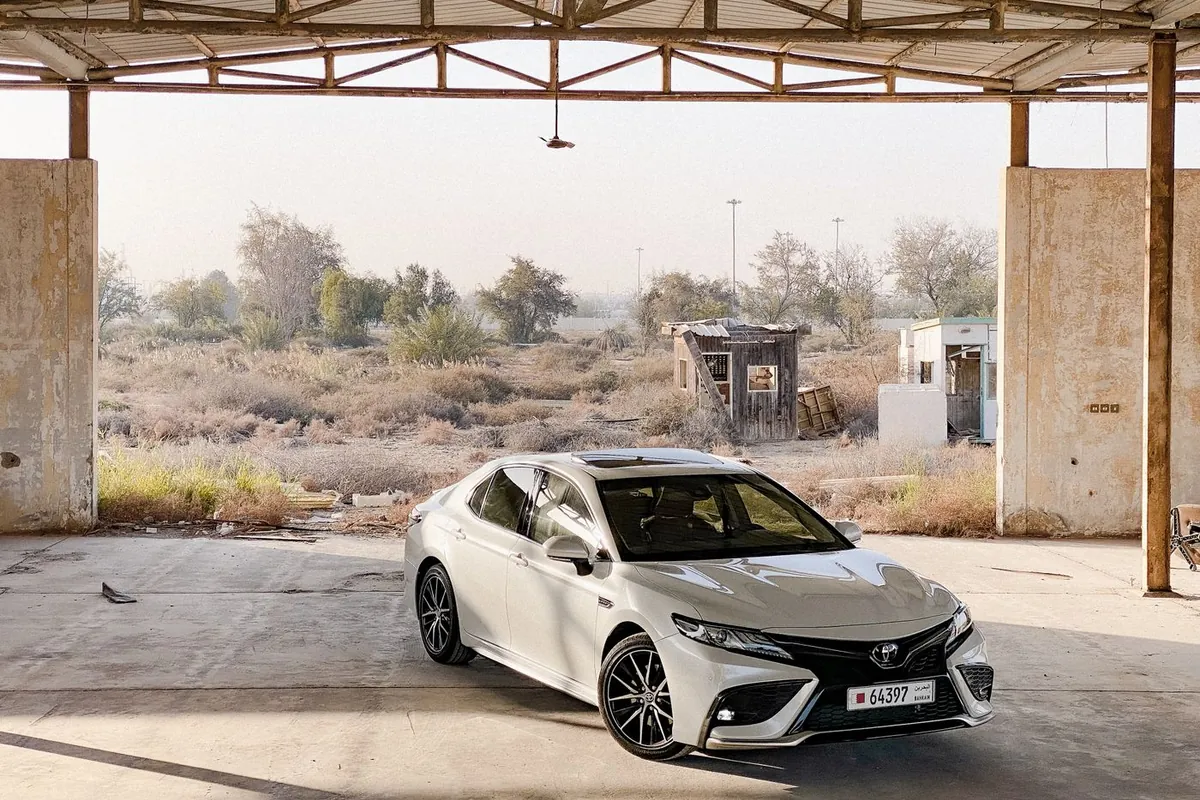
Who should I call after a wreck in a Camry or Corolla near Mesquite?
Call a body shop you choose, not the one a tow driver or a stranger at the scene suggests, and ask it one thing before anything else: will my Toyota be scanned for fault codes before and after the repair? ACE Body & Frame, at 2922 S. Peachtree Road in Balch Springs, handles collision repair, body and paint, frame and suspension, glass and diagnostics for drivers in Mesquite, Balch Springs and the surrounding area. We have worked from the same street since 1987.
A Camry or a Corolla looks like a simple car to fix. Most of the time the damage is a front or rear bumper, a fender, a headlamp, a door or a quarter panel. What has changed in recent model years is what sits behind those parts: a camera at the top of the windshield, a radar behind the front emblem or bumper, sensors in the rear bumper. The bodywork is the visible half of the job. Checking those systems is the half you cannot see, and it is the half that decides whether the car brakes and warns the way it did before.
The rest of this guide covers what Toyota's own repair information says, what a correct estimate should list, and what to bring to the shop.
What does Toyota say a body shop must do after a collision?
Toyota publishes Collision Repair Information Bulletins (CRIBs) for repairers. They sit on a subscription site, so the plain-language version most people can read is I-CAR's summary. According to I-CAR's summary of Toyota CRIB 191 (July 2021):
- Scan before and after. Repairers should perform a "Health Check" diagnostic scan before and after every repair on a vehicle that has sustained collision damage.
- Only a scan tool can tell. A capable scan tool is the only way to identify and document diagnostic trouble codes.
- No warning light does not mean no problem. Collision damage may not turn on the malfunction indicator lamp.
That last point is the one drivers miss. A car can drive home from a fender-bender with a clean dashboard and still have a stored fault in a module behind the bumper. The pre-repair scan finds it while the estimate is being written, so it is paid for and fixed with the rest of the job. The post-repair scan shows the car left the shop with no codes. Our guide to scanning before and after a repair explains what the printouts look like.
Toyota's windshield guidance matters on both models too. According to I-CAR's summary, Toyota states that non-genuine windshield glass could affect the lane departure alert, the forward recognition camera, dynamic radar cruise control, the pre-collision system and automatic high beams. When the windshield is replaced on a model with a forward recognition camera, the camera must be calibrated.
Which sensors could a bumper or windshield hit affect on my Toyota?
The Insurance Institute for Highway Safety (IIHS) explains that front crash prevention systems use cameras, radar or lidar to judge the distance to the vehicle ahead, lane departure systems use cameras to track the car in its lane, blind spot detection uses sensors on the sides, and rear systems use cameras, radar or ultrasonic sensors. Which of these your Camry or Corolla has depends on the model year and trim, so the VIN is the starting point.
The table below links the most common Camry and Corolla damage to what may need attention beyond the bodywork.
| Where the car was hit | What may need more than bodywork | What to ask |
|---|---|---|
| Front bumper, grille or emblem | Forward radar. I-CAR says calibration is normally required after the radar is replaced and may be needed after the bumper or grille is removed or after front structural repair. | Does my car have a front radar, and will it need calibration after this repair? |
| Windshield cracked or replaced | Forward recognition camera. According to I-CAR, Toyota says it must be calibrated when the windshield is replaced on models that have it. | What glass is on the estimate, and who calibrates the camera? |
| Rear bumper | Rear sensors or camera, depending on the trim | Which rear sensors are on my VIN, and are they being removed? |
| Wheel, curb or suspension hit | Wheel alignment, and possibly camera or radar calibration after it | Does the maker require calibration after the alignment on my car? |
| Any collision, even minor | Health Check scan before and after | Will I get both scan reports? |
Read each row as a prompt, not a diagnosis. The repair information for your exact car decides what is required, and a good shop will look it up and tell you before work starts. I-CAR also notes that numerous makers require driver-assistance calibration whenever a wheel alignment is done, which is why the fourth row matters after a curb or pothole hit.
Why does the estimate on a small sedan sometimes come out higher than I expected?
We do not quote prices in a guide, because every car and every hit is different. What we can tell you is what drives the number on a modern Camry or Corolla.
AAA studied this in December 2023 using three 2023 model-year vehicles, and one of them was a Toyota Camry. AAA found driver-assistance systems can add up to 37.6% to the total repair cost after a crash, mostly from replacing and calibrating sensors. These were study figures from three test vehicles, not anyone's price list, but they explain why a bumper cover that once seemed like a small job now carries more lines on the estimate.
- Sensors and brackets. A cracked radar or camera bracket is usually replaced, and the maker's repair information says whether any repair is allowed.
- Calibration. I-CAR describes static calibration, done in the shop with targets at set positions, and dynamic calibration, done on the road with a scan tool under set conditions. Some cars need both.
- Hidden damage. Once the bumper is off, crushed absorbers, bent reinforcements and broken clips show up. That leads to a supplement, which we explain in what a supplement on an estimate is.
- Paint blending. Matching the color often means blending into the next panel. See whether new paint will match.
If you want to know where your car stands before the adjuster calls, request a free estimate with a few photos.
Can the insurance company tell me which shop or parts to use in Texas?
No to the shop, and only partly to the parts. Texas Insurance Code 1952.301 says an insurer may not use an auto policy to limit coverage by specifying the brand, type, kind, age, vendor, supplier or condition of parts, or by limiting your choice of repair person or facility. The Texas Department of Insurance (TDI) says your insurer may offer a list of body shops, but you can use any shop you choose.
The limit is money. TDI's auto insurance guide says insurers must pay for parts of like kind and quality to the damaged parts, which are not necessarily original manufacturer parts, and the Texas Consumer Bill of Rights adds that the insurer is not required to pay more than a reasonable amount. So the practical step is to ask the adjuster early which parts the estimate is priced on, and to ask the shop what Toyota's repair information says about the parts being replaced. Our guide to OEM, aftermarket and used parts walks through the choice.
A few more claim points from TDI:
- Your own collision coverage. Your deductible applies, so the payment is reduced by that amount and you cover it.
- The other driver's insurer. Deductibles do not apply to a claim against another driver's company, and that insurer typically pays for a rental for the reasonable repair period.
- Your own rental coverage. If you have rental reimbursement, your insurer pays a set daily amount up to your policy's limits.
- Value cap. Repair payments under your policy are capped at the car's actual cash value. On an older Corolla, that is worth knowing early.
What should I ask any shop before I leave my Camry or Corolla?
These questions work for any shop, including ours. A shop that answers them clearly is a shop that has looked at the repair information.
- Scans. Will you run a pre-repair and a post-repair scan, and will I get copies?
- Systems on my VIN. Which driver-assistance features does my car have, and which of them could this repair affect?
- Calibration. If a calibration is required, is it static, dynamic or both, and who performs it?
- Glass. If the windshield is replaced, what glass will be used, and how is the camera handled afterward?
- Structure. Is anything behind the bumper or under the fender bent, and how will you measure it?
- Timing. What could slow this job down: parts, hidden damage or approval?
If the car pulls or the steering wheel is off center after the wreck, add one more question about alignment. Our guide on why a car pulls after a wreck explains what that can mean.
What should I bring or send for an accurate Toyota estimate?
- The VIN and model year. Trim levels on the Camry and Corolla differ in which sensors they carry.
- Photos. All four corners, the damage close up, and the dashboard with the car running.
- Warning lights. Any message about the pre-collision system, lane departure or cruise control since the wreck.
- Claim details. The claim number and the adjuster's name and phone number, if there is a claim.
- The police report number, if an officer came to the scene.
- Past repairs. A previous windshield or bumper replacement tells us where aftermarket parts might already be on the car.
If the crash just happened, our guide to what to do right after a car accident in Dallas County covers the scene and the first calls.
How ACE Body & Frame helps
We are a body and frame shop in Balch Springs, on S. Peachtree Road since 1987, open Monday to Friday and serving Balch Springs, Mesquite and the surrounding area. For a Camry or Corolla that means one place for body and collision work, paint, frame and suspension repair, glass replacement, and foreign and domestic automotive service and diagnostics.
We write free computerized estimates and accept all insurance claims. You have the right to choose where your vehicle is repaired. When a car cannot be driven, towing is available, and rental car service is available while it is here. Repairs are satisfaction guaranteed. Ask us, as you would ask any shop, how scans and any calibration will be done on your Toyota, and we will tell you before work starts.
See finished jobs on our work page, read about other models on the Toyota repair page or in our repair by make guides, or call 972-286-0935. When you are ready, send us your Toyota's details for an estimate.
Questions people ask next
My Corolla only has a cracked bumper cover. Does it still need a scan?
According to I-CAR's summary of Toyota's bulletin, repairers should run a Health Check scan before and after every repair on a vehicle with collision damage, because collision damage may not light the warning lamp. A cracked cover can hide a broken sensor mount or a stored fault, so a scan is the only way to confirm nothing else was affected.
Can I replace my Camry windshield at a glass shop and skip the calibration?
According to I-CAR's summary, Toyota says that on models with a forward recognition camera, the camera must be calibrated when the windshield is replaced, and that non-genuine glass could affect lane departure alert, pre-collision and radar cruise control. Wherever the glass is replaced, ask who calibrates the camera afterward and ask for a record showing it was done.
Will my insurance pay for genuine Toyota parts?
It depends on your policy and the estimate. The Texas Department of Insurance says insurers must pay for parts of like kind and quality, which are not necessarily original manufacturer parts, and are not required to pay more than a reasonable amount. Ask the adjuster which parts the estimate is priced on before the repair starts.
Why did my estimate grow after the shop took the bumper off?
Damage behind a bumper cover, such as crushed absorbers, bent reinforcements or broken sensor brackets, often shows only once the cover is removed. TDI explains that the shop then sends a new estimate to the insurer, and the insurer pays the extra amount if it agrees. You see the added lines before that work is done.
Is it safe to drive my Camry if the pre-collision warning light is on after a wreck?
AAA advises taking the vehicle to a repair facility promptly when a warning light or message shows a failed driver-assistance component. The system may not brake or warn as designed until it is diagnosed. Drive carefully, avoid relying on the feature, and have it scanned soon. We can tow the car if it should not be driven.
Ready to get your Toyota fixed?
ACE Body & Frame, 2922 S. Peachtree Road, Balch Springs. Free computerized estimates, all insurance claims accepted.
Sources
- I-CAR RTS, "Toyota/Lexus/Scion Position Statement: Pre- and Post-Repair System Scanning"
- I-CAR RTS, "Toyota/Lexus/Scion Glass Replacement Requirements: UPDATE"
- IIHS, "Advanced driver assistance" topic page
- AAA Newsroom, "Fixing Advanced Vehicle Systems Makes Up Over One-Third of Repair Costs Following a Crash" (Dec. 14, 2023)
- I-CAR RTS, "Typical Calibration Requirements For Forward Radar Sensors"
- Tex. Ins. Code 1952.301
- TDI, Automobile insurance guide (cb020)
- TDI, "Were you in a wreck? Tips for auto insurance claims"
- Consumer Bill of Rights, Personal Automobile Insurance (28 TAC 5.9970(b), 2026 Version)
- I-CAR RTS, "The Effects Of Wheel Alignment On ADAS"
Read next
 Repair by make
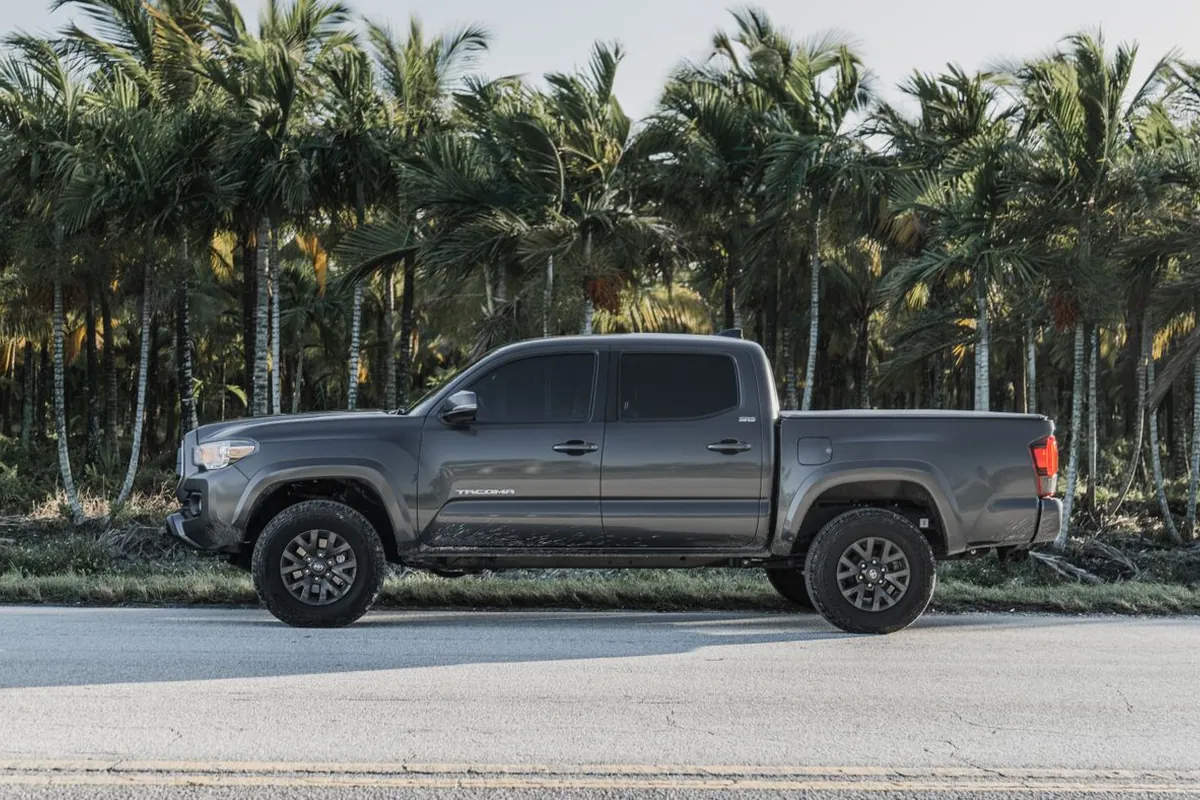
Can a Toyota Tacoma or Tundra with a bent frame be repaired near Dallas?
A bent Tacoma or Tundra frame can often be straightened, but Toyota does not approve sectioning. What that means for your repair and insurance in Texas.
 Repair by make
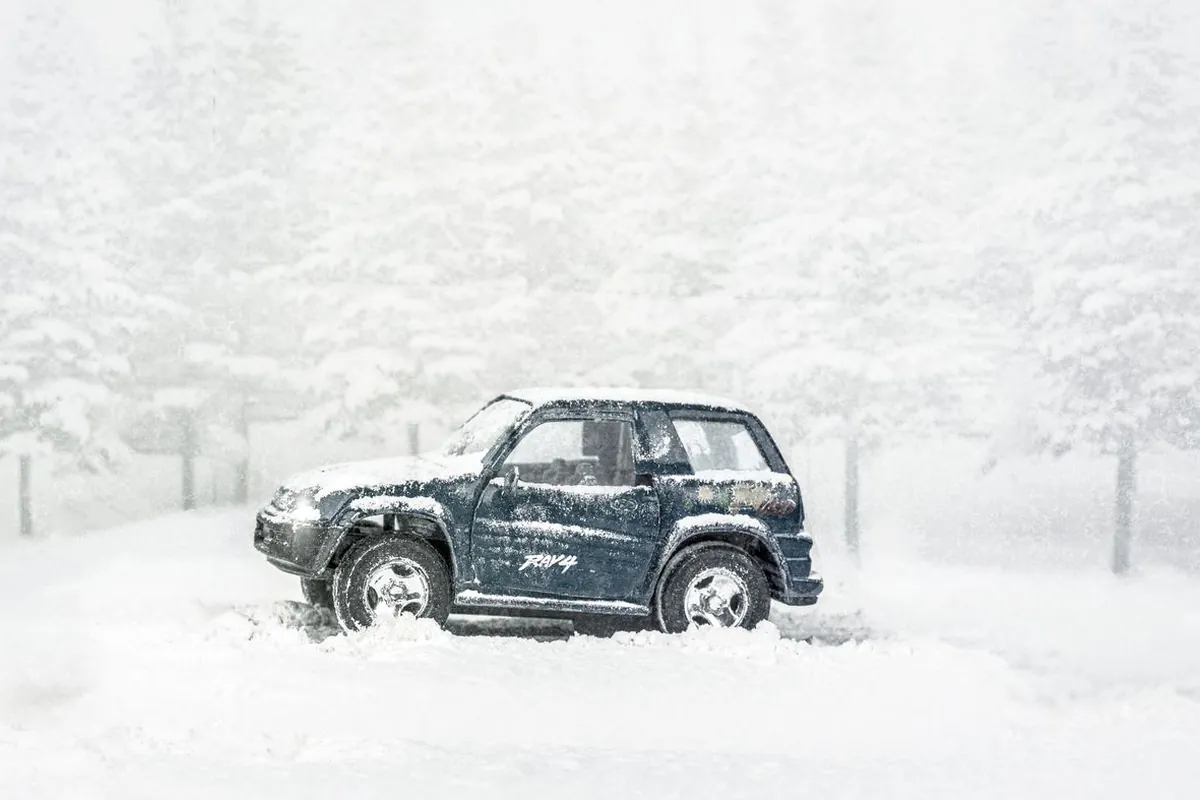
Toyota RAV4 and Highlander body repair near Balch Springs: what about the safety sensors?
RAV4 or Highlander body repair near Balch Springs: which repairs affect the camera and radar, what Toyota requires, and what records to ask for at pickup.
 Repair by make
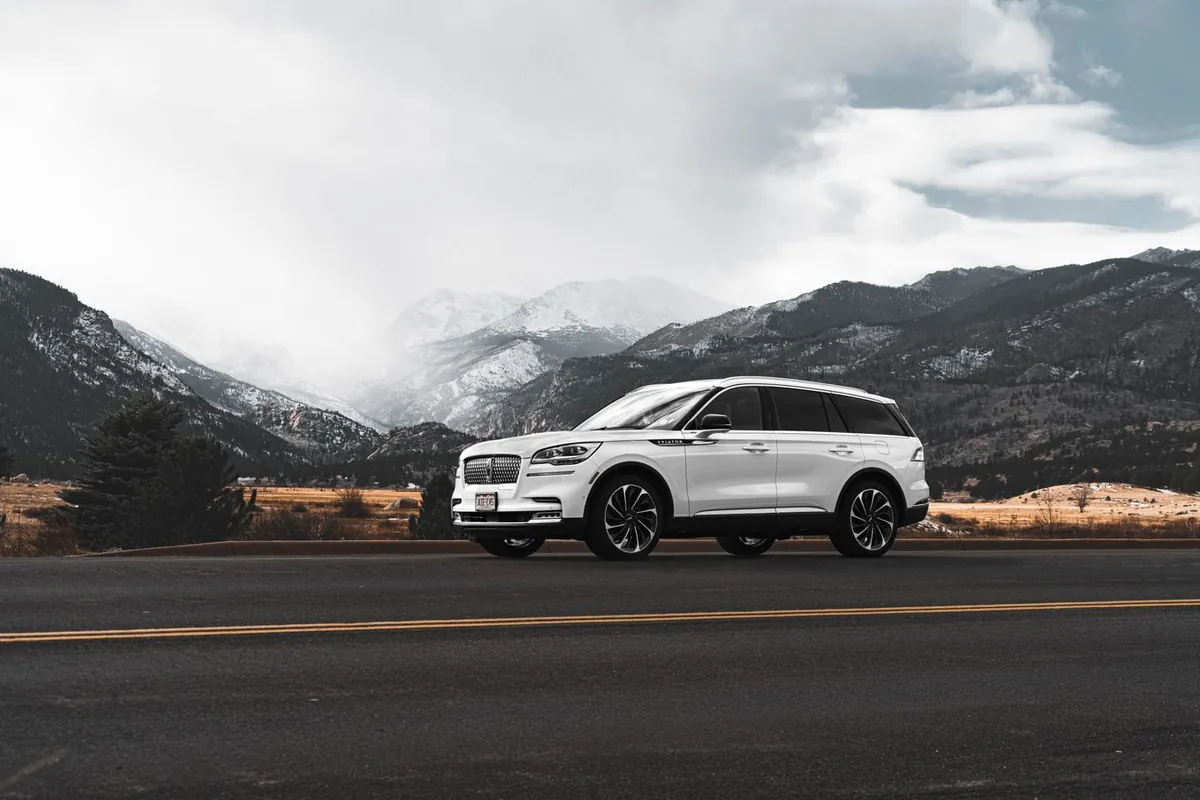
Lincoln Navigator and Aviator collision repair east of Dallas?
Ford's rules for repairing a Lincoln Navigator, Aviator, Nautilus or Corsair: scans, structural parts, rivets, glass and wheels, and what to ask.
More: all repair by make guides, collision repair, Toyota repair, repair by make, reviews and directions to the shop.