
In short
After body repair on a RAV4 or Highlander, the safety sensors at least need checking. According to I-CAR's summary of Toyota's guidance, repairers should run a Health Check scan before and after every collision repair, and the windshield camera must be calibrated when the windshield is replaced. Bumper, structural and alignment work can also call for radar or camera calibration, depending on the VIN.
- According to I-CAR's summary, Toyota calls for a scan before and after every collision repair.
- A replaced windshield means the forward camera must be calibrated on models that have one.
- Bumper, grille, structural and alignment work can call for radar or camera calibration.
- Calibration can be static in the shop, dynamic on the road, or both.
- At pickup, ask for scan reports, calibration records and the alignment printout.
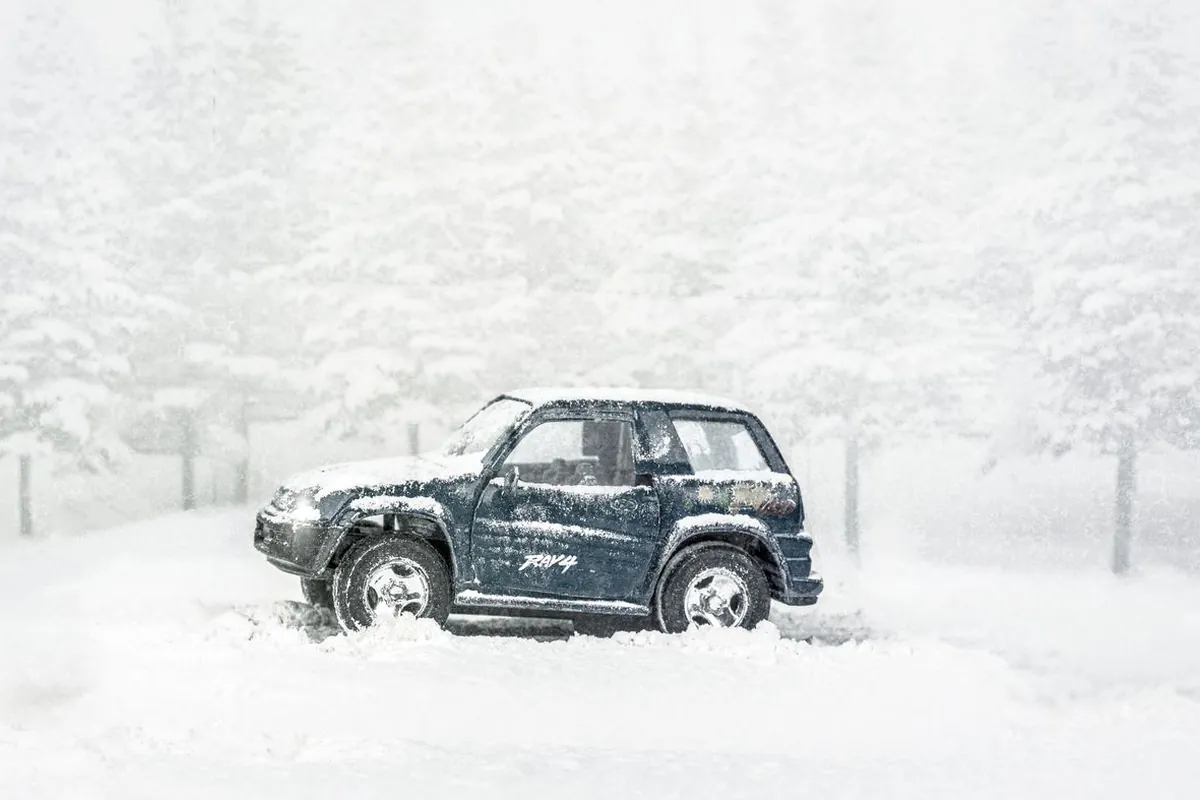
Do the safety sensors on my RAV4 or Highlander need attention after body repair?
Usually, yes, at least a check. A RAV4 or Highlander carries a forward camera at the top of the windshield and, on most recent trims, radar and other sensors in the bumpers. Toyota's repair guidance, as summarized by I-CAR, calls for a "Health Check" diagnostic scan before and after every repair on a vehicle with collision damage, and it says the camera must be calibrated when the windshield is replaced on models that have one. Whether a sensor also needs calibration depends on what was removed, replaced or realigned during your repair.
ACE Body & Frame in Balch Springs handles collision and body repair, paint, glass replacement, frame and suspension work and diagnostics at 2922 S. Peachtree Road, where we have been since 1987. This guide explains where the sensors sit, which repairs can affect them, and the paperwork that shows the job was finished properly.
Where are the sensors on a RAV4 or Highlander, and what do they do?
The Insurance Institute for Highway Safety (IIHS) describes these features as technologies that watch the driver's input and the road around the vehicle, warn of a possible crash, and may brake or steer if the driver does not act. On a Toyota SUV they come from a few kinds of hardware:
- Forward camera. Mounted at the top of the windshield. It reads lane lines and helps the pre-collision system and automatic high beams.
- Forward radar. I-CAR says forward radar sensors sit in or behind the front bumper or grille and supply adaptive cruise control, collision braking and collision warning.
- Side and rear sensors. IIHS says blind spot detection uses sensors on the sides of the vehicle, and rear systems use cameras, radar or ultrasonic sensors.
The exact set depends on model year and trim, so the VIN decides what your SUV has. These systems matter. IIHS research found that forward collision warning with automatic braking cut rear-end crashes in half, and blind spot detection reduced lane-change crashes by 14%. A sensor that was knocked out of aim gives up some of that protection without always telling you.
Which repairs mean a calibration on my Toyota SUV?
The table below lists common RAV4 and Highlander repairs and what the maker and industry guidance say may follow. Use it to ask the right question, not to decide for yourself.
| Repair done | System that may need calibration or a check | What you should receive |
|---|---|---|
| Windshield replaced | Forward camera. According to I-CAR, Toyota says it must be calibrated on models with a forward recognition camera. | A calibration record and the glass type used |
| Front bumper or grille removed or replaced | Forward radar. I-CAR says calibration may be needed after the bumper or grille is removed and is normally required after the radar is replaced. | A note on whether calibration was required and done |
| Front structural repair | Forward radar, and the camera if the windshield was disturbed | Structural measurements plus calibration records |
| Rear bumper repaired or replaced | Rear and blind spot sensors, depending on the trim | Post-repair scan with no codes |
| Wheel alignment | Camera or radar, if the maker requires it | Alignment printout and any calibration record |
| Airbag deployment | Restraint system parts and sensors, per the maker's procedure | Scan reports and a list of replaced parts |
Read the middle column as "ask about this", because only the repair information for your VIN says whether a calibration is required. I-CAR notes that numerous makers require calibration whenever a wheel alignment is done, and that some include an alignment as a step in the calibration itself.
One question comes up on almost every front-end estimate: can a cracked bumper cover in front of the radar be repaired, or must it be replaced? There is no single answer for every SUV. The maker's repair information decides whether a bumper in front of a radar can be repaired or refinished, and a careful shop looks that up for your exact model before it chooses. Our guide to bumper cover repair or replacement explains the trade-offs. If you also drive a Toyota sedan, the same scanning rules appear in our guide to Camry and Corolla collision repair.
What is the difference between static and dynamic calibration?
I-CAR describes two ways a sensor is aimed after repair:
- Static (in-shop). A scan tool and targets placed at specified positions, in a large area free of metal objects. Floor, lighting and distance have to match the maker's setup.
- Dynamic (on-road). A scan tool connected while the vehicle is driven under specified conditions. Rain or snow can slow or stop it.
Some vehicles need one, some the other, and some need both. IIHS adds that automakers stipulate calibration any time a sensor is removed and replaced or reinstalled, and that calibration can require large spaces, specialized training and expensive equipment. That is why many body shops arrange part of the work with a specialist or a dealer. What matters to you is that it is done and documented. Ask any shop, including us, how calibration will be handled on your Toyota and who will perform it.
Why does windshield glass matter so much on a RAV4 or Highlander?
The camera looks through the windshield, so the glass is part of the system. I-CAR's summary of Toyota's glass guidance lists the systems that non-genuine windshield glass could affect: automatic high beams, the pre-collision system, dynamic radar cruise control, lane departure alert and the forward recognition camera itself. I-CAR also reports that Toyota does not allow primerless adhesives for glass installation and requires epoxy primer on a repaired pinchweld.
The glass also has a structural job. The Auto Glass Safety Council (AGSC), an industry standards body, says the windshield and side glass are part of the passenger restraint system and must be installed properly for airbags to deploy safely. It defines a minimum drive-away time, the time the vehicle should stay parked after installation so the adhesive bonds, and says it depends on the adhesive and the weather. Your installer should tell you that time for your replacement.
So if the windshield is part of your claim, ask three things: what glass is going in, who calibrates the camera, and when the vehicle can be driven. Our guide to auto glass after a wreck covers the rest.
How do I know the systems work after I pick up my SUV?
Do not judge by the dashboard alone. According to I-CAR's summary of Toyota's bulletin, collision damage may not turn on the malfunction indicator lamp, and a scan tool is the only way to identify and document trouble codes. An IIHS survey published in February 2023 found that about half of owners who had a crash avoidance feature repaired reported problems afterward, and nearly three-quarters of those whose repair followed crash damage did.
When you pick up the vehicle:
- Ask for the paperwork. The pre-repair and post-repair scan reports, any calibration record and the alignment printout.
- Check the settings. Make sure lane departure, pre-collision and blind spot features are switched on as you had them.
- Drive with attention. On your first drive, notice whether lane warnings, cruise control and blind spot lights behave as before.
- Come back if anything is off. AAA advises taking the vehicle to a repair facility promptly when a warning light or message shows a failed driver-assistance component.
For the whole picture of scans, see should a body shop scan my car before and after, and for calibration, recalibrating cameras and sensors after body repair.
Who pays for scans and calibration on a Texas claim?
When the work is part of a covered repair, it belongs on the estimate like any other operation. AAA's December 2023 study of three 2023 vehicles found driver-assistance systems can add up to 37.6% to the total repair cost after a crash, mainly from replacing and calibrating sensors. That is a study figure, not a price, but it shows why these lines should be written in from the start.
- Your choice of shop. The Texas Department of Insurance (TDI) says your insurer may offer a list of shops, but you can use any shop you choose.
- Added work. TDI explains that if repairs cost more than the insurer's estimate, the shop sends a new estimate, and the insurer pays the extra amount if it agrees. A calibration found during the repair often arrives this way. See supplements on a repair estimate.
- Deductibles. TDI's auto insurance guide says your deductible applies on your own collision coverage, but not to a claim against the other driver's insurer.
Not sure whether your SUV needs any of this? Request a free estimate and send a few photos.
How ACE Body & Frame helps
We are a body and frame shop in Balch Springs, on S. Peachtree Road since 1987, open Monday to Friday and serving Balch Springs, Mesquite and the surrounding area. For a RAV4 or Highlander we handle collision repair, body and paint, glass replacement, frame and suspension repair, and foreign and domestic automotive service and diagnostics.
We write free computerized estimates and accept all insurance claims. You have the right to choose where your vehicle is repaired. Towing is available, and rental car service is available while your SUV is here. Repairs are satisfaction guaranteed. Before work starts we tell you which scans and calibrations your VIN calls for and how each will be done.
Read more about the shop on our about page, see the Toyota repair page or browse our repair by make guides, or call 972-286-0935. When you are ready, send us your SUV's details.
Questions people ask next
My RAV4 only needed a new front bumper cover. Does the radar need calibration?
Maybe. I-CAR says forward radar calibration is normally required after the radar is replaced and may also be needed after the front bumper or grille is removed or after front structural repair. The repair information for your VIN decides. Ask the shop to check it and to note on the invoice whether a calibration was required and done.
Can I drive my Highlander right after a windshield replacement?
The Auto Glass Safety Council says the vehicle should stay parked for a minimum drive-away time so the adhesive bonds, and that the time depends on the adhesive and the weather. The installer should tell you that time for your replacement. The forward camera also needs calibration afterward on models that have one, according to I-CAR's summary of Toyota's guidance.
The warning lights are off. Why do I need a scan?
According to I-CAR's summary of Toyota's bulletin, collision damage may not turn on the malfunction indicator lamp, and a scan tool is the only way to identify and document trouble codes. A pre-repair scan finds stored faults so they are fixed with the repair, and a post-repair scan shows the vehicle left with no codes.
Who performs the calibration if the body shop does not have the equipment?
IIHS notes that calibration can need large spaces, specialized training and expensive equipment, so many shops arrange part of it with a specialist or a dealer. That is normal. What matters is that the shop tells you who will do it, that it follows the maker's procedure, and that you receive a record showing it was completed.
My lane keeping feels different after the repair. What should I do?
Check first that the feature is switched on in the settings, since a battery disconnect can reset some preferences. If it still behaves differently, or a warning appears, return to the shop. AAA advises taking the vehicle to a repair facility promptly when a warning shows a failed driver-assistance component. Ask for a new scan and a calibration check.
Ready to get your Toyota fixed?
ACE Body & Frame, 2922 S. Peachtree Road, Balch Springs. Free computerized estimates, all insurance claims accepted.
Sources
- I-CAR RTS, "Toyota/Lexus/Scion Position Statement: Pre- and Post-Repair System Scanning"
- I-CAR RTS, "Toyota/Lexus/Scion Glass Replacement Requirements: UPDATE"
- IIHS, "Advanced driver assistance" topic page
- IIHS news, "Crash avoidance features improve safety but complicate repairs" (February 15, 2023)
- I-CAR RTS, "Typical Calibration Requirements For Forward Radar Sensors"
- I-CAR RTS, "The Effects Of Wheel Alignment On ADAS"
- Auto Glass Safety Council, "Minimum Drive-Away Times"
- AAA Newsroom, "Fixing Advanced Vehicle Systems Makes Up Over One-Third of Repair Costs Following a Crash" (Dec. 14, 2023)
- TDI, "Were you in a wreck? Tips for auto insurance claims"
- TDI, Automobile insurance guide (cb020)
Read next
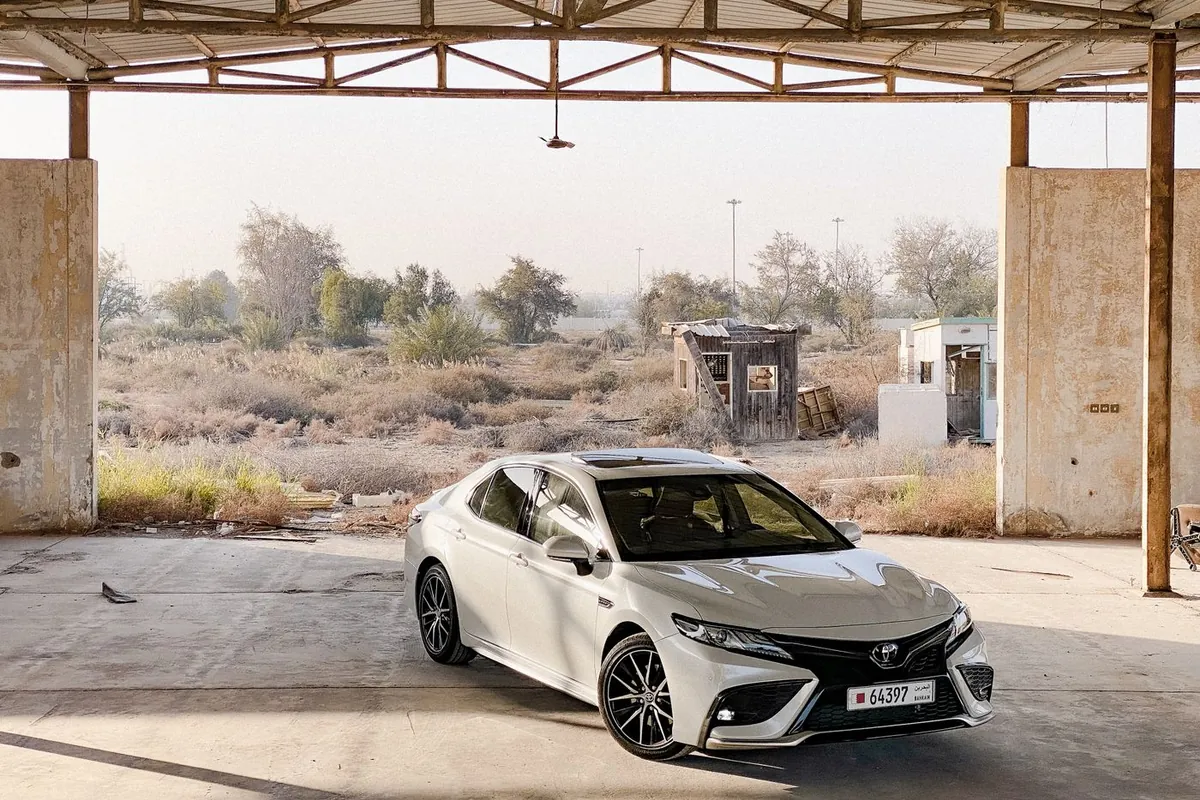 Repair by make
Toyota Camry and Corolla collision repair near Mesquite, TX: who should I call?
Camry or Corolla wrecked near Mesquite? What Toyota says about scans and camera calibration, what drives the estimate, and what to ask any body shop.
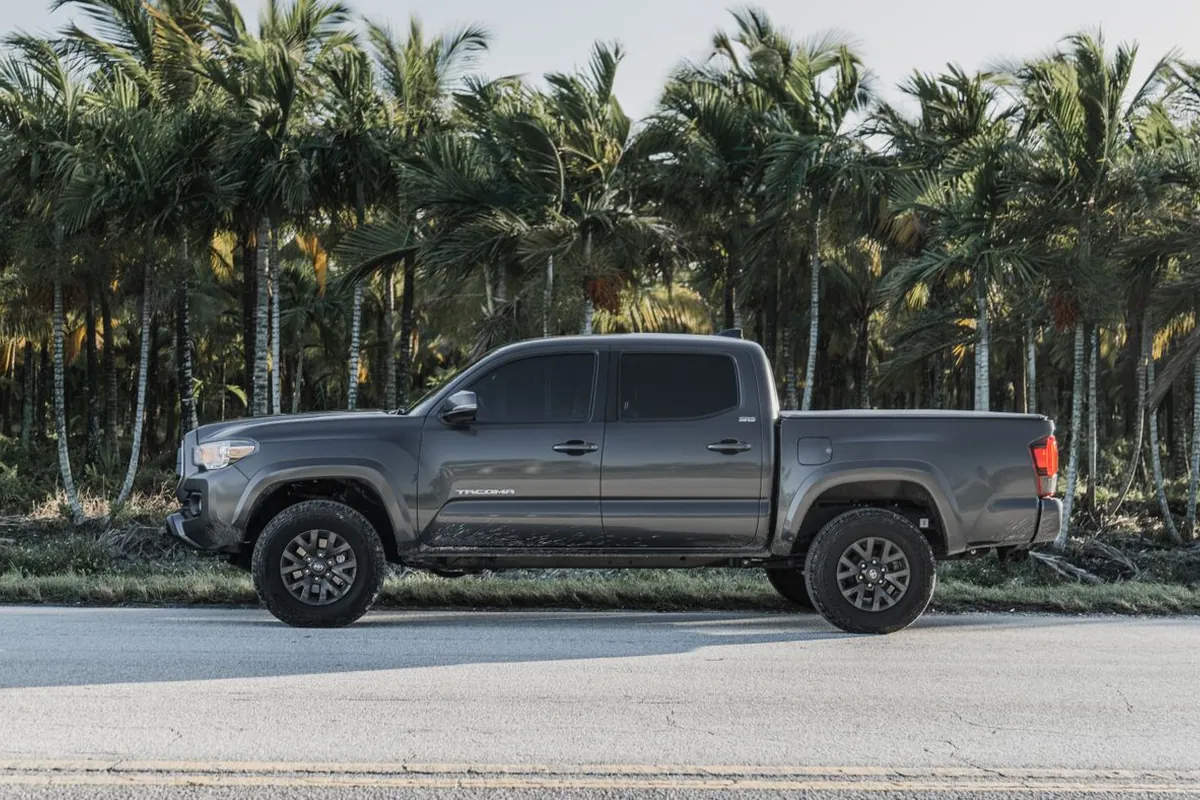 Repair by make
Can a Toyota Tacoma or Tundra with a bent frame be repaired near Dallas?
A bent Tacoma or Tundra frame can often be straightened, but Toyota does not approve sectioning. What that means for your repair and insurance in Texas.
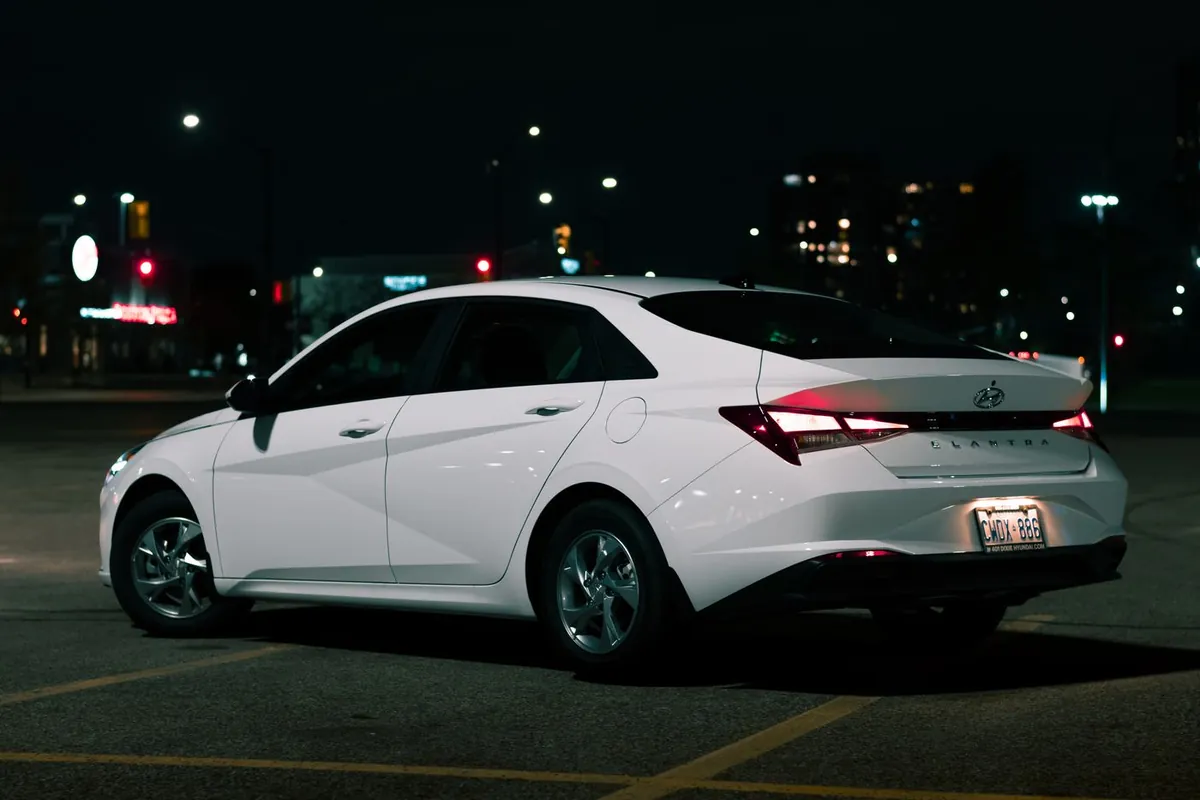 Repair by make
Hyundai Elantra, Sonata and Tucson collision repair near Mesquite, TX?
Hyundai collision repair near Mesquite: why Hyundai requires scans before and after, what changes on a hybrid, and how parts and insurance work in Texas.
More: all repair by make guides, collision repair, Toyota repair, repair by make, reviews and directions to the shop.