
In short
An Explorer or Escape comes back right when its unibody structure is measured and repaired to Ford's procedures, its systems are scanned before and after the repair as Ford requires, and every disturbed camera and radar is checked and calibrated. In Texas you choose the shop. ACE Body & Frame in Balch Springs writes free estimates and accepts all insurance claims.
- The Explorer and Escape are unibody SUVs, so damage can travel through the structure.
- Ford requires pre- and post-repair scans after a collision on 1996 and newer models.
- Bumper, windshield and alignment work can call for sensor calibration.
- Hybrid and plug-in models need high-voltage precautions during repair.
- Who pays depends on fault and coverage; you still choose the shop.
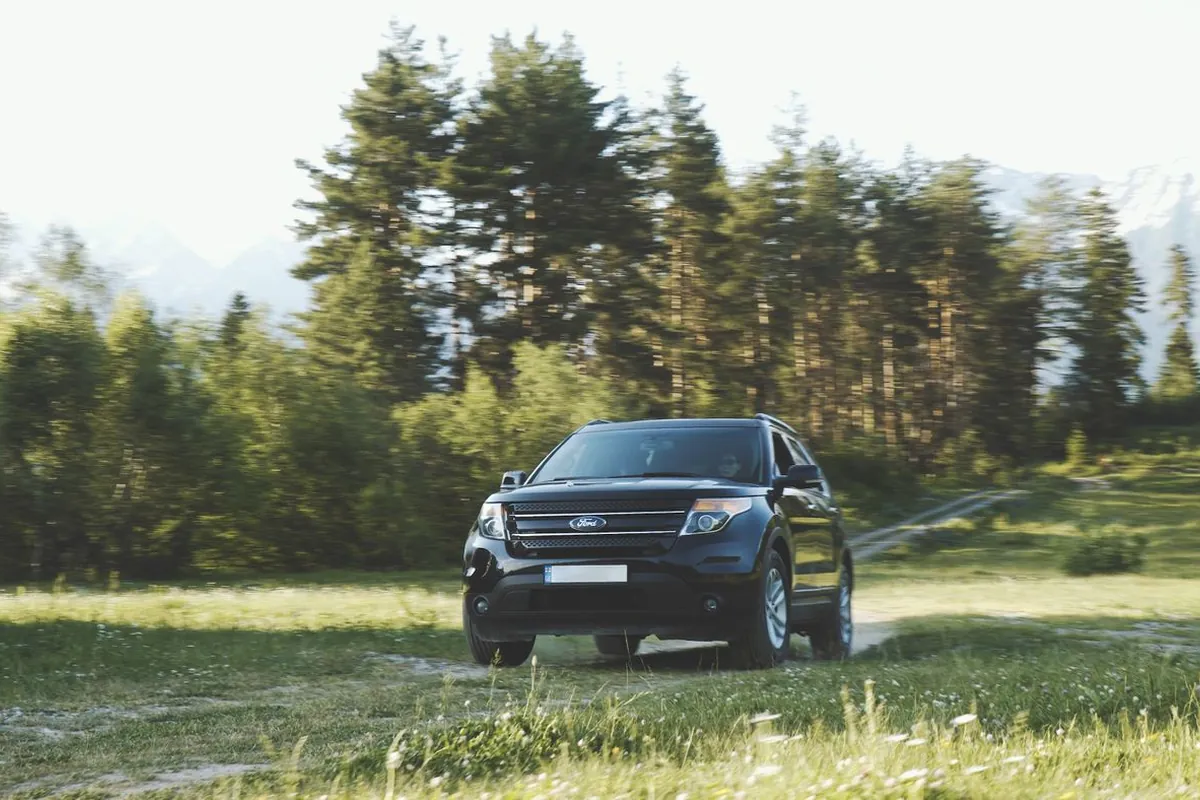
What should I know about Explorer and Escape collision repair near Balch Springs?
Three things decide whether a Ford Explorer or Escape comes back right after a wreck: the unibody structure is measured and repaired to Ford's procedures, the computer systems are scanned before and after the work as Ford requires, and every camera and radar that was disturbed is checked and calibrated. Any shop you pick should explain how it will handle all three. ACE Body & Frame at 2922 S. Peachtree Road in Balch Springs repairs both models through our collision repair service, writes free computerized estimates and accepts all insurance claims.
The Explorer is a three-row family SUV and the Escape is a compact crossover, but they share Ford's approach to repairs. This guide covers what that means for you, who pays for what in Texas, and what to bring to the estimate.
How is a unibody SUV different from a truck after a crash?
A pickup like the F-150 has a separate steel frame under the body. The Explorer and Escape are unibody vehicles: the body and the structure are one welded and bonded shell. That has consequences you should know about before you read an estimate:
- Damage travels. A hard hit on a corner can move the rails, pillars or floor well away from the dented panel. The structure is measured against the maker's dimensions, not judged by eye.
- Parts are joined, not bolted. Replacing a structural part means cutting and joining at the places Ford's procedures allow. Ford says that where no specific procedure exists, structural repairs should be made at original factory joints or seams.
- Steel grades differ. Modern SUVs mix several grades of steel, and heat can weaken some of them, so the maker's procedures decide when heat may be used.
- Alignment and sensors are linked. When the structure or suspension moves, the cameras and radar mounted to it may no longer point where they should.
Our guide on unibody vs body-on-frame repair explains the difference in more depth.
Which safety systems might need calibration after the repair?
Most recent Explorers and Escapes carry some mix of a forward camera behind the windshield, radar at the front, blind spot sensors at the rear corners, parking sensors and cameras. Which ones your SUV has depends on the year and trim. The table below shows where they usually sit and what the repair may call for, based on I-CAR's typical calibration requirements.
| Area repaired | What may be behind it | What may follow the repair |
|---|---|---|
| Front bumper or grille | Forward radar for adaptive cruise and collision warning | Radar calibration, normally after replacement and sometimes after removal |
| Windshield | Forward camera for lane keeping and pre-collision features | Camera aiming; Ford also says it does not endorse non-Ford glass |
| Rear bumper or quarter panel | Blind spot and rear sensors | Scan and any calibration the procedure lists |
| Suspension or wheel alignment | Steering angle sensor, camera and radar aim | Calibration that many makers require after an alignment |
| Liftgate or mirror | Rear or side cameras | Scan and camera checks |
Read it from left to right: if your estimate touches an area in the first column, ask how the item in the third column will be handled for your exact vehicle. I-CAR says radar calibration can be static, with targets in a large open area, or dynamic, by driving under set conditions, and rain can slow or stop a dynamic one. We do not claim to do every calibration in house, so ask us, or any shop, who will perform it. More on this in our guide to recalibrating cameras and sensors.
What does Ford require on every Explorer and Escape repair?
Ford's collision position statements of October 1, 2025 apply across its lineup:
- Pre- and post-repair scans are required for all Ford vehicles from model year 1996 and newer that were in a collision, defined as damage beyond minor outer-panel cosmetic distortion. Ford says a pre-repair scan can find trouble codes that do not turn on a warning light, and that removing panels or glass can create new codes that need recalibration or initialization.
- Structural parts: Ford-approved original equipment parts should be used; recycled, salvaged, aftermarket or reconditioned parts have not been validated by Ford for structural repairs.
- Glass: the bonded windshield is a structural member that helps spread crash energy, and untested aftermarket glass may not give accurate camera position for features such as Lane-Keeping and Pre-Collision Assist.
- Wheels: ask the shop to inspect every wheel near the impact and to follow Ford's repair information on whether a damaged wheel can be refinished or must be replaced.
- Air bags and belts: ask which restraint parts Ford's repair procedure lists for your vehicle, and which parts the estimate is written on.
Ask for a scan report before and after, and see why pre- and post-repair scanning matters.
Is a hybrid or plug-in Escape handled differently?
Yes, in a few ways. The U.S. Department of Energy says hybrid and electric vehicles typically run at 400 to 1,000 volts, that high-voltage cables are usually marked orange, and that light-duty vehicles must have features that isolate the electrical system when a collision is detected. It also warns that a damaged battery may ignite later. Tell us up front if your Escape is a hybrid or plug-in, and do not let anyone cut near orange cables without following Ford's procedures. Our guide on hybrid and EV collision repair covers what to ask.
Who pays for the repair, the deductible and a rental?
It depends on who caused the wreck and on your coverage. Here is how the Texas Department of Insurance (TDI) describes it:
- The other driver was at fault. Their insurer typically pays for a rental for the reasonable repair period, along with the repairs it accepts. It may still dispute fault, so keep your own coverage in mind as a backup. No deductible applies to a claim against another driver's insurer.
- You file on your own policy. Collision coverage pays for repairs after an accident, minus your deductible, which you pay to the shop. A rental is covered if you have rental reimbursement.
- The other driver had no insurance, or drove off. Uninsured/underinsured motorist coverage can pay for repairs and a rental; TDI lists its deductible as 250 dollars.
Either way, Texas Insurance Code 1952.301 says an insurer may not limit your choice of repair facility. For rental details see rental cars during repairs; for rear damage on family SUVs, see minivan and SUV rear-end repair.
What happens once the SUV is at the shop?
Knowing the order of work helps you understand why a repair is not finished the day the paint dries. On an Explorer or Escape, a typical collision repair moves like this:
- Check-in and pre-repair scan. The vehicle is scanned to record stored and active trouble codes before anything is removed, as Ford requires.
- Teardown. Damaged bumpers, lamps and trim come off so hidden damage can be seen. Brackets, sensors and wiring behind the panels are often found broken at this stage.
- Revised estimate. TDI explains that when repairs cost more than the first estimate, the shop sends a new estimate to the insurer, which pays the extra amount if it agrees. Approval at this stage can take time, so keep your adjuster's number handy.
- Structural and body repair. The structure is measured, then panels are repaired or replaced following Ford's procedures.
- Paint and reassembly. New panels are refinished and blended so the color matches, then lamps, sensors and trim go back on.
- Alignment, calibration and post-repair scan. The wheels are aligned if the suspension was involved, any calibrations Ford lists are performed, and a final scan confirms no codes remain.
- Delivery. You get the invoice and, if you ask, the scan and calibration records. Keep them with the claim file.
Each step depends on the one before it. Parts that must be ordered, a supplement waiting on approval, or a calibration that needs dry weather can all add days, so ask for updates at each stage rather than only at the end. Our guide to bumper cover repair or replacement explains one of the most common decisions made during teardown.
What should I bring and ask?
- VIN and trim level, so the estimate lists the right sensors and lights.
- Photos of the damage, the dashboard warning lights, and any glass damage.
- Claim number and adjuster contact, plus the other driver's insurer if they were at fault.
- Anything added after purchase, such as a tow hitch, roof rack, running boards or a third-row seat cover, so it is listed and reinstalled.
- Child seats. If child seats were in the SUV during the crash, mention it; ask the seat's maker whether it should be replaced.
- Your questions: Is the structure being measured? Are scans on the estimate? Which calibrations does Ford list for this repair, and who does them? Which parts are Ford parts?
Ready to start? Request a free Explorer or Escape estimate and attach your photos.
How ACE Body & Frame helps
ACE Body & Frame has served Balch Springs, Mesquite and the surrounding area from S. Peachtree Road since 1987, Monday to Friday. Our services include auto body and collision work, frame and suspension repair, glass replacement, and foreign and domestic diagnostics. Read what drivers say on our reviews page, see other Fords on our Ford repair page, or browse guides by make.
Estimates here are free and computerized, and we accept all insurance claims. If the SUV cannot be driven, towing is available, and so is rental car service. You have the right to choose where your vehicle is repaired. Our repairs are satisfaction guaranteed.
Call 972-286-0935 or send us your SUV's details for a free estimate.
Questions people ask next
My Explorer has no warning lights after a minor hit. Does it still need a scan?
If the damage goes beyond minor outer-panel cosmetic distortion, Ford's October 2025 statement says yes. Ford explains that a pre-repair scan can find trouble codes that do not turn on a warning light, and that some faults only show up after several drive cycles.
Will a new front bumper cover affect my adaptive cruise control?
It can. I-CAR says forward radar sits in or behind the front bumper or grille, and calibration may be needed after the bumper or grille is removed, not only when the radar is replaced. Ask the shop what Ford's procedure calls for on your model and trim.
Can an aftermarket windshield go in my Escape?
It may be offered, but Ford says it does not endorse non-Ford original equipment glass, calls the bonded windshield a structural member, and warns that untested glass may not give the forward camera an accurate position. Ask which glass the estimate is written on and how the camera will be aimed.
Is it safe to drive my hybrid Escape after a crash?
If warning lights are on, the SUV was hit low, or you smell anything unusual, do not drive it; have it towed. The Department of Energy warns that a damaged battery can ignite later. Tell the shop it is a hybrid or plug-in before it arrives.
Can the insurer send me to its own shop list?
It can offer a list, but TDI says you can use any shop you choose, and Texas Insurance Code 1952.301 says an insurer may not use an auto policy to limit your choice of repair facility. The insurer is not required to pay more than a reasonable amount.
Ready to get your Ford fixed?
ACE Body & Frame, 2922 S. Peachtree Road, Balch Springs. Free computerized estimates, all insurance claims accepted.
Sources
- Ford Collision Repair Position Statement, "Pre- and Post-Diagnostic Scanning During a Collision Repair Required" (October 1, 2025)
- Ford Collision Position Statement, "Use of Ford OEM Glass" (October 1, 2025)
- Ford Collision Position Statement, "Structural Repairs" (October 1, 2025)
- I-CAR RTS, "Typical Calibration Requirements For Forward Radar Sensors"
- I-CAR RTS, "The Effects Of Wheel Alignment On ADAS"
- U.S. DOE Alternative Fuels Data Center, "Maintenance and Safety of Electric Vehicles"
- TDI, Automobile insurance guide (cb020)
- TDI, "What is uninsured motorist coverage, and do I really need it?"
- TDI, "Were you in a wreck? Tips for auto insurance claims"
- Tex. Ins. Code 1952.301
Read next
 Repair by make
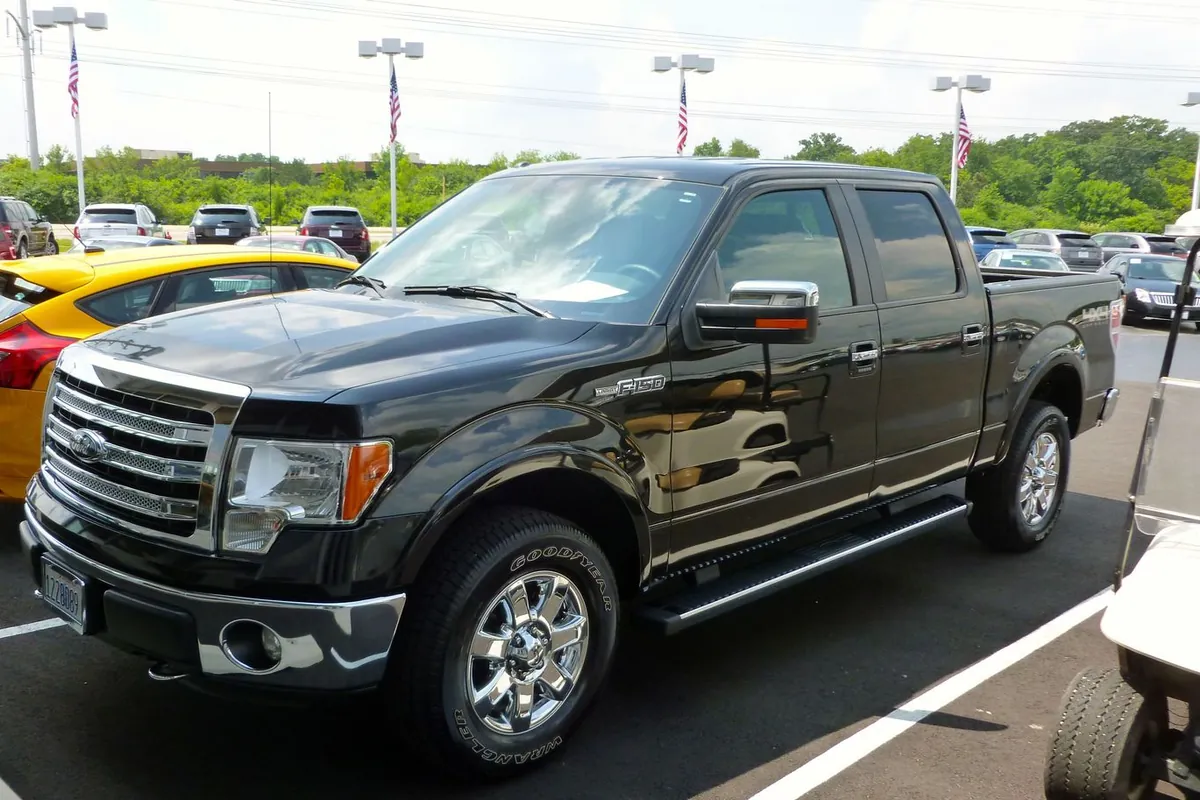
Where can I get a Ford F-150 body or bed repaired near Mesquite, TX?
F-150 bed, tailgate or body damage near Mesquite? What Ford says about aluminum, scans and parts, what to ask a shop, and what to bring to the estimate.
 Repair by make
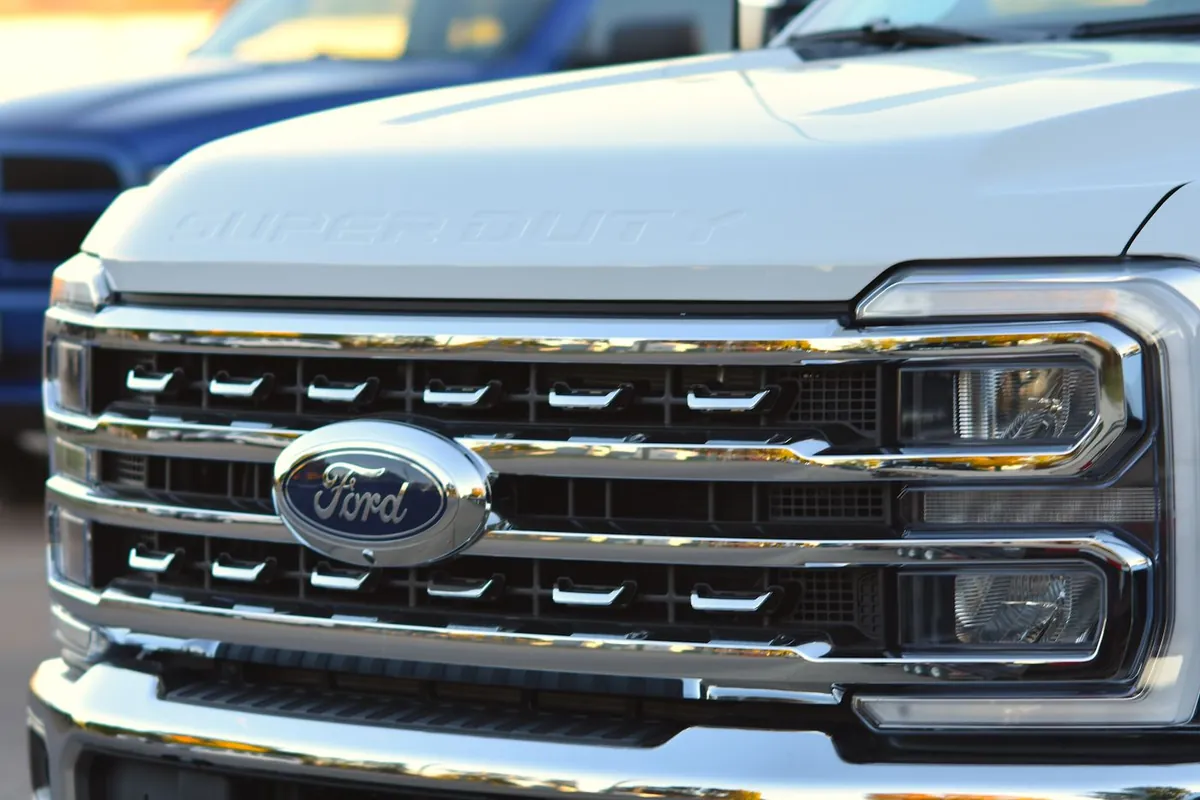
Ford Super Duty frame and body repair east of Dallas: who does it?
F-250 or F-350 with a bent frame or body damage? What Ford allows for straightening and parts, when trucks get totaled, and what to ask a shop near Dallas.
 Repair by make
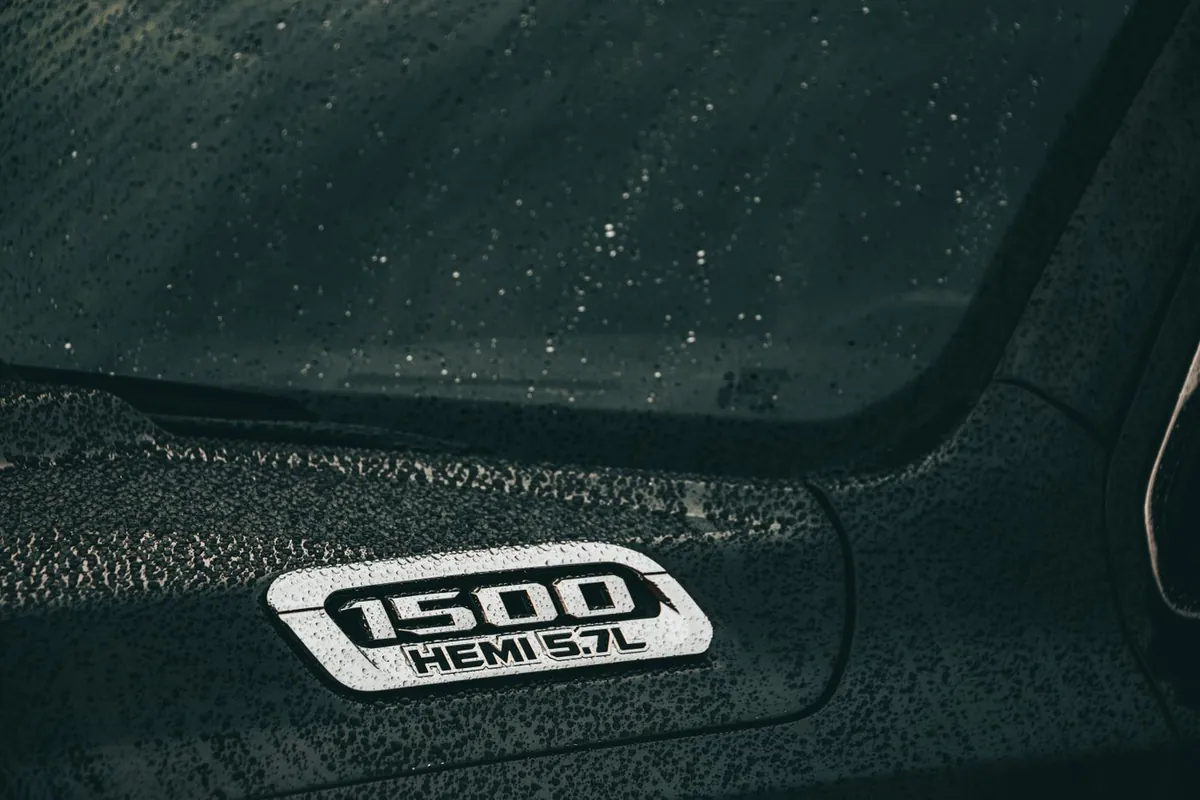
Where do I take a Ram 1500 with body or frame damage near Dallas?
Ram 1500 with body or frame damage? How to tell which you have, what Ram's maker requires for scans and frame repair, and who pays in Texas.
More: all repair by make guides, collision repair, Ford repair, repair by make, reviews and directions to the shop.