
In short
Often yes for the body work: panels, bumpers, paint and glass on a hybrid or EV can be repaired by an independent shop that follows the maker's high-voltage precautions. Damage near the high-voltage battery is a different matter, because the maker's procedure decides the inspection and any replacement, and some makers, such as Volvo, limit EV repairs to approved locations.
- Hybrids and EVs typically run at 400 to 1,000 volts, so the system is isolated before work.
- Outer body repairs are usually open to an independent shop.
- Battery tray damage, leaks or burn signs follow the maker's procedure.
- A damaged EV can ignite later; store it outdoors until it is checked.
- Ask what your maker allows before choosing a shop for battery or structural work.
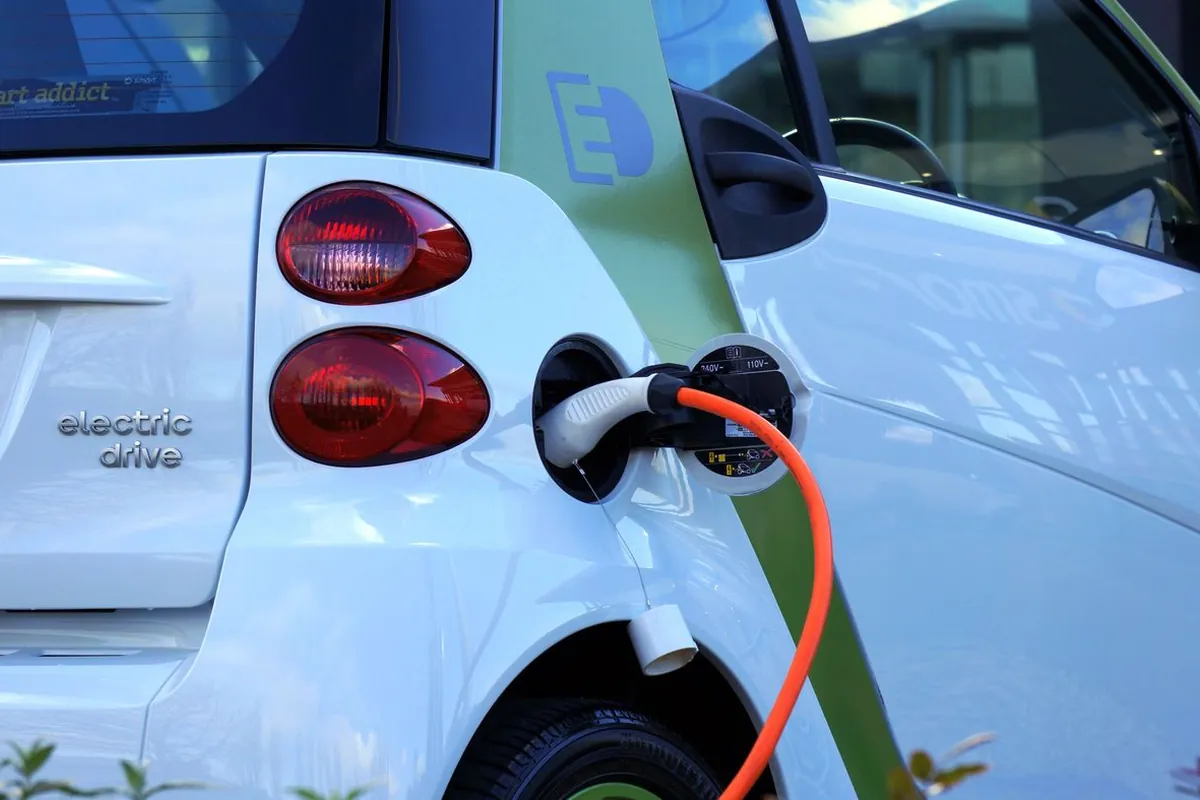
Can an independent body shop repair my hybrid or electric car?
In many cases, yes, for the body work. Dents, bumper covers, doors, fenders, paint and glass on a hybrid or electric car are body repairs like any other, as long as the shop follows the maker's procedure for working around the high-voltage system. What changes the answer is the damage and the maker. If the high-voltage battery, its tray or the cables near it were hit, the maker's instructions decide what has to be inspected, who may do it and whether the battery is replaced. Some makers go further: Volvo, for example, says its electric vehicle repairs should be done only at approved locations.
So the honest answer is: the body shop question is usually open, the battery question is the maker's call, and you should ask any shop, including us, exactly how it will handle both on your vehicle.
What makes a hybrid or EV different to repair?
The difference is the electrical system. The U.S. Department of Energy says all-electric, plug-in hybrid and hybrid vehicles typically operate at 400 to 1,000 volts, far above the 12-volt system of a gas car. High-voltage cables are usually marked with a distinctive color, most often orange. The same page says light-duty vehicles must have features that deactivate or isolate the electrical system when a collision or short circuit is detected.
Federal Motor Vehicle Safety Standard 305 is the rule behind that. It sets requirements for limiting electrolyte spillage, keeping the battery in place during and after a crash, and protecting people from electric shock. It is a standard the maker builds to, not a repair rule, but it explains why the battery area is designed to be left alone unless the procedure says otherwise.
For a body shop this means:
- Disabling the system first. The maker's procedure says how to isolate the high-voltage battery before work near it.
- Knowing where the cables run. Orange cables can sit behind panels, under the floor and in the engine bay.
- Handling the battery as the maker directs. Inspection, removal and storage follow published steps.
- Heat and welding near the battery. Paint curing and welding near high-voltage parts need the precautions the maker lists.
Is a damaged EV safe to keep at home or at a shop?
Treat it with care. The Department of Energy says a damaged electric vehicle may ignite later, and that a battery fire may reignite after it appears to be out. It also notes that most EVs have cutoff switches or other methods that let first responders isolate the battery and disable the electrical system.
Hyundai's 2024 position statement turns that into practical steps for shops. It recommends inspecting the high-voltage battery when the vehicle arrives, before or during estimating, and storing the vehicle outdoors and away from flammable materials until that inspection is complete. That is sensible advice for an owner too. If your EV or plug-in hybrid took a hard hit underneath, do not park it in an attached garage until it has been checked, and tell the tow driver and the shop that it is electric.
When does the high-voltage battery need attention?
Hyundai's statement is one of the clearest published examples, and it gives concrete signs of battery damage after a collision:
- a dent in the battery tray deeper than 0.5 mm (0.019 in.), or full penetration of the lower impact shield;
- missing fasteners after an impact;
- evidence of a previous thermal event: smoke, discoloration, deformation, melted seals or abnormal odors;
- coolant or electrolyte leaking.
Hyundai also says it does not recommend repair work on a high-voltage battery assembly after structural damage, and recommends replacing it with a new or refurbished battery system assembly. That statement covers Hyundai electric, hybrid, plug-in hybrid and fuel cell vehicles. Other makers publish their own procedures, and the repair information for your model decides. The table below gives a general way to think about where the damage is.
| Where the damage is | What it may involve | Who decides | What to do |
|---|---|---|---|
| Outer panels, bumpers, doors, paint, glass | Ordinary body repair with high-voltage precautions | The shop, following the maker's procedure | Get an estimate and ask how the system is isolated during work. |
| Front or rear structure, away from the battery | Structural repair, scans and calibrations | The maker's structural and scanning procedures | Ask which steps the maker requires and how they will be done. |
| Underbody near the battery tray | Battery inspection before repair is planned | The maker's battery inspection procedure | Do not keep the car indoors until it is checked. |
| Battery tray dented, fasteners missing, leaks, burn signs | Possible battery replacement | The maker, and the people it authorizes | Expect the battery work to be done where the maker directs. |
| Any EV from a maker that restricts EV repairs | Repairs only at the maker's approved locations | The maker | Ask the maker's dealer before choosing a shop for that part of the work. |
Read the table from the top. The higher the row, the more of the job an independent body shop can usually do. Lower down, the maker's rules take over, and the body work may be split between a body shop and a dealer or battery specialist.
Do some makers limit who can repair their electric cars?
Yes. Volvo is one example. Its statement on EV battery and vehicle handling after a collision says Volvo electric vehicle repairs should only be performed by trained technicians at approved locations, that a signed Permit to Work is required, and that only authorized workshop personnel may handle high-voltage battery parts. That is Volvo's position for its vehicles, not Texas law, but it tells you where Volvo expects the work to happen.
Tesla is another make with its own rules for the body. According to I-CAR, the collision industry's training organization, Tesla does not allow pulling or pushing of body structure parts with frame straightening equipment, treats any bonded, welded, riveted or rivet-bonded part as structural, and requires structural repairs to be done with the vehicle mounted on an approved frame bench unless the procedure says otherwise. I-CAR also reports that Tesla vehicles store alerts rather than standard trouble codes, with full diagnosis through Tesla's own software. Our guide on Tesla body damage goes into that make.
The point for any EV owner is simple: before choosing a shop for structural or battery work, find out what your maker allows. For outer body work, the field is usually wider.
Are the bodies of these cars built differently?
Often, yes. Many hybrids and EVs use more high-strength steel, aluminum or bonded and riveted joints to save weight and protect the battery. I-CAR notes that heat can permanently damage certain metals by breaking down the structure that gives them strength, and that makers publish rules on when heat may be used. That affects how a bent part is straightened, whether it can be repaired at all, and which parts must be replaced instead. Our guide comparing unibody and body-on-frame repair explains how vehicle structures differ.
The electronics are another layer. Hybrids and EVs tend to carry the same driver assistance cameras and radar as other new cars. A scan before and after the repair, and calibration where the maker calls for it, are part of a complete job. See our guides on pre- and post-repair scanning and ADAS recalibration after body repair.
What should I ask the shop, and what should I bring?
Ask these at the estimate, wherever you go:
- How will you isolate the high-voltage system before working on my car?
- Will you inspect the battery area and tray before writing the repair plan?
- Does my maker limit any of this repair to its own approved locations? If so, which parts of the job go where?
- What does the maker say about straightening and heat on the structural parts involved?
- Which scans and calibrations will follow the repair, and will I get the records?
- How will the car be stored while it waits for parts?
Bring the claim number and adjuster's contact if there is a claim, your registration for the VIN, the charging cable if it was in the car, and a note of every warning message since the hit, especially anything about the battery, charging or the high-voltage system. Tell the shop if the car was submerged, smelled of burning or made unusual noises after the crash. If your car was towed, our guide on getting a towed car to your body shop may help.
How ACE Body & Frame helps
ACE Body & Frame has been on S. Peachtree Road in Balch Springs since 1987, serving Balch Springs, Mesquite and the surrounding area. Our collision repair work covers foreign and domestic vehicles, with body and paint, suspension and frame repair, glass replacement and automotive service and diagnostics among our services.
If you drive a hybrid or electric car, bring it in or send photos first. At the estimate we will tell you which parts of the repair we can take on, what your maker's procedure calls for, and where your maker requires any battery or structural work to be done. We write free computerized estimates, accept all insurance claims, document the damage and work with your adjuster; the claim stays yours, and you have the right to choose where your vehicle is repaired. Towing and rental car service are available.
To start, request a free estimate or call 972-286-0935, Monday to Friday. You can read what customers say about us, see our auto body and paint services, or browse repair by make and the make guides. Or send photos of the damage and tell us your year, make and model.
Questions people ask next
Will a body shop void anything on my EV battery by repairing the car?
Coverage terms come from your maker and your paperwork, so read them or ask the dealer. What protects you most is that any work near the battery follows the maker's procedure and that you get records of the inspection, scans and repairs. If the maker requires battery work at its own approved locations, have that part done there.
Can I drive my hybrid after a minor fender bender?
If the car drives normally, shows no warnings about the battery or high-voltage system, and the damage is on an outer panel, many owners do. If there is any hit underneath, a burning smell, smoke, a leak or a high-voltage warning, do not drive it. Have it towed, tell the tow driver it is electric, and keep it outdoors.
Why does the shop want to inspect the battery before writing the estimate?
Because battery damage changes the whole repair plan. Hyundai, for example, recommends inspecting the high-voltage battery when the car arrives, before or during estimating, and lists signs such as a dented tray, missing fasteners and leaks. Finding that early avoids a surprise halfway through the job and keeps the car stored safely meanwhile.
Is a damaged battery always replaced?
It depends on the maker and the damage. Hyundai says it does not recommend repairing a high-voltage battery assembly after structural damage and recommends replacing it with a new or refurbished assembly. Other makers publish their own rules. The decision comes from the maker's procedure for your model, not from the body shop's preference.
Do insurance claims work differently for EVs?
The claim process is the same: you report it, an adjuster reviews it, and you choose the shop. The estimate may include extra lines such as isolating the high-voltage system, inspecting the battery, scans and calibrations. Ask your adjuster how these are handled on your claim. The claim is yours; the shop documents the damage and works with the adjuster.
Ready to get it fixed?
ACE Body & Frame, 2922 S. Peachtree Road, Balch Springs. Free computerized estimates, all insurance claims accepted.
Sources
- U.S. DOE Alternative Fuels Data Center, "Maintenance and Safety of Electric Vehicles"
- 49 CFR 571.305
- Hyundai Position Statement, "High-Voltage Battery Inspection and Replacement After Structural Damage" (March 29, 2024)
- Volvo Car USA LLC, "EV Battery & Vehicle Handling Post Collision"
- I-CAR RTS, "Structural Straightening On Tesla Vehicles: UPDATE"
- I-CAR RTS, "Tesla Position: Pre- and Post-Repair System Scanning - UPDATE"
- I-CAR RTS, "Straightening And Heat"
Read next
 Repair by make
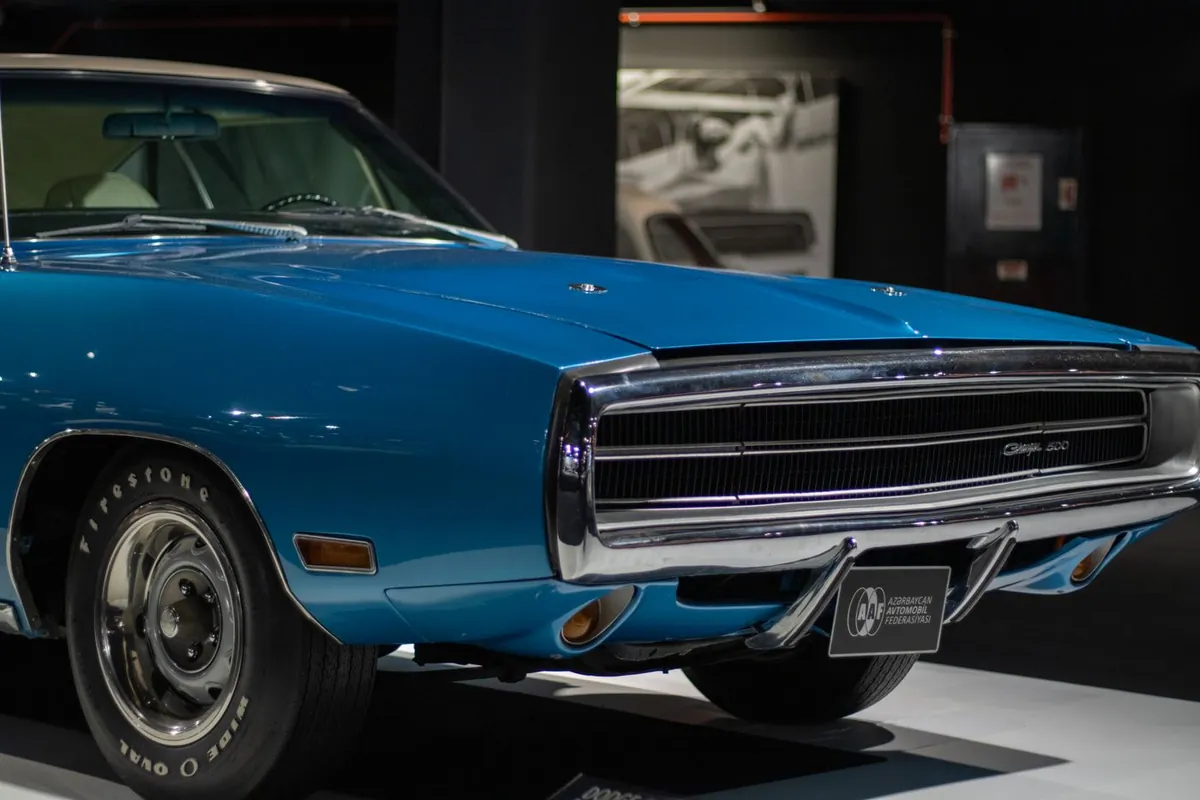
Dodge Charger and Challenger body and paint repair near Mesquite, TX?
Paint match, stripes, wheels and the scans FCA requires: what a Charger, Challenger or Durango repair involves and what to ask a shop near Mesquite.
 Repair by make
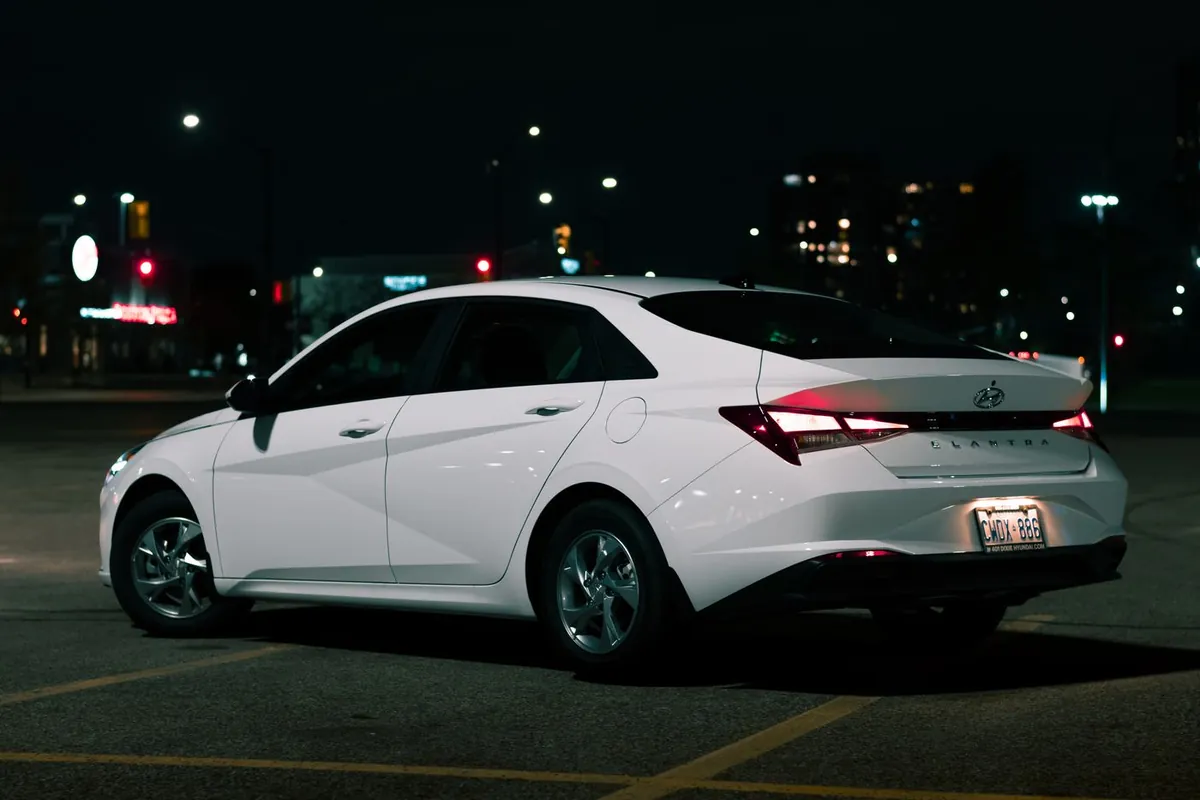
Hyundai Elantra, Sonata and Tucson collision repair near Mesquite, TX?
Hyundai collision repair near Mesquite: why Hyundai requires scans before and after, what changes on a hybrid, and how parts and insurance work in Texas.
 Repair by make
Honda CR-V and Pilot body repair in east Dallas County: where to go?
Choosing a shop for CR-V or Pilot body repair in east Dallas County: Honda's scan and aiming rules, windshield facts, and warning signs after pickup.
More: all repair by make guides, collision repair, repair by make, reviews and directions to the shop.