
In short
Any body shop you choose can repair an Altima or Sentra if it follows Nissan's rules. Nissan says all 2008 and newer models require pre- and post-repair scans with its CONSULT tool, and calibrations should use CONSULT and approved targets. Nissan does not approve salvage parts or support aftermarket glass, while Texas insurers pay a reasonable amount for parts of like kind and quality.
- Nissan requires pre- and post-repair scans on all 2008 and newer vehicles.
- Nissan names its CONSULT tool and approved targets for scans and calibration.
- Nissan does not approve salvage parts and does not support aftermarket or recycled glass.
- After a collision Nissan wants all four wheels inspected and seat belts checked.
- Texas law protects your choice of shop; insurers pay a reasonable amount for like-kind parts.
Where can I get an Altima or Sentra repaired after a collision near Balch Springs?
Any body shop you choose can repair a Nissan, as long as it follows Nissan's own repair rules, and those rules are specific. Nissan says all 2008 and newer Nissan vehicles require a pre-repair and a post-repair diagnostic scan, done with its CONSULT scan tool, and that calibrations should be performed only with CONSULT software and approved Nissan targets. Nissan also says it does not approve repairs with salvage parts and does not support aftermarket or recycled glass.
ACE Body & Frame is a body and frame shop at 2922 S. Peachtree Road in Balch Springs, on the same road since 1987. We handle collision repair, paint, frame and suspension work, glass replacement and diagnostics for drivers in Balch Springs, Mesquite and the surrounding area. This guide puts Nissan's positions in plain words and turns them into questions you can ask any shop.
What does Nissan require for scans and calibration?
Nissan's Collision Position Statement NPSB/25-946 (November 1, 2025) is the current word. In plain terms:
- Which cars. All 2008 and newer Nissan vehicles require a pre-repair and post-repair diagnostic scan. For 2007 and older vehicles with an OBD2 port, a post-repair scan is recommended.
- Which tool. Nissan North America requires the CONSULT diagnostic scan tool with up-to-date software and says it does not test or validate other scan tools.
- Calibrations. Nissan says calibrations should be performed using only CONSULT software with approved Nissan targets, following the service manual. The statement also names approved remote services that use CONSULT.
That last point matters when choosing a shop. Many independent shops arrange scans or calibrations through a remote service or a dealer rather than owning every tool. That is normal. What you want to know is which tool and which procedure will be used on your car. Ask any shop, including us, and ask for the reports. Our guide on scanning before and after a repair explains what those reports show.
Which safety systems could a wreck affect on an Altima or Sentra?
Depending on the year and trim, these sedans can carry a forward camera behind the windshield, a front radar behind the bumper or emblem, and sensors at the rear corners. Those parts feed collision warning, emergency braking, lane alerts and blind spot warnings, and each one only works as designed when its sensor sits where Nissan put it.
I-CAR, the industry training body, gives typical triggers. Forward radar calibration is normally required after the radar is replaced and may be needed after the front bumper or grille is removed or after front structural repairs. A replaced forward camera almost always needs calibration, and removing the windshield, the rearview mirror or the camera may also require aiming. Nissan adds a model-specific detail: its 2016 glass statement says that on the 2016 Sentra (and the 2016 LEAF, JUKE and Quest) the rearview mirror is non-reusable, so a windshield replacement on those cars also means a new mirror.
For the calibration side in depth, see recalibrating cameras and sensors after body repair.
What does Nissan say about parts, glass, wheels and seat belts?
The table lists Nissan's published positions and the question each one should prompt. These are the maker's positions, not Texas law.
| Topic | Nissan's position | What to ask the shop |
|---|---|---|
| Salvage (recycled) parts | Does not approve repair of its vehicles with salvage parts or assemblies (NPSB-16-598) | Are any used parts on my estimate, and where? |
| Windshield and glass | Does not support aftermarket or recycled glass; if aftermarket is unavoidable it should meet the same specifications and similar quality (NPSB-16-606) | What glass is on the estimate, and is the camera calibrated after? |
| Wheels | Does not approve repair involving welding, bending, straightening, re-machining or adding material; only cosmetic sanding or polishing; inspect all four wheels after a collision (NPSB-16-595) | Were all four wheels inspected? |
| Seat belts | Inspect all belt assemblies after a collision; replace belts in use unless the collision was minor and they show no damage and work properly (per I-CAR) | Were the belts inspected, and which were replaced? |
| Pretensioners | If frontal airbags deployed, replace pretensioners even on belts not in use (per I-CAR) | Are the pretensioners on the estimate? |
| Scans and calibration | Pre and post scan on 2008 and newer; CONSULT and approved targets (NPSB/25-946) | Which tool and procedure will be used? |
Read across each row: the middle column is what Nissan says, and the right column is how you find out whether a shop plans to follow it. If the answers are vague, ask again or ask another shop.
Can my insurer put used or aftermarket parts on my Nissan in Texas?
This is where Nissan's preferences and Texas insurance rules meet. Under Texas Insurance Code 1952.301, your auto policy cannot be used to restrict your choice of repair shop, or to limit coverage by naming the brand, type, kind, age, vendor, supplier or condition of the parts. At the same time, the Texas Department of Insurance (TDI) says insurers must pay for parts of like kind and quality to the damaged parts, which are not necessarily original manufacturer parts, and the Bill of Rights says the insurer is not required to pay more than a reasonable amount.
In practice:
- Read the parts lines on the insurer's estimate. They often say whether a part is new from the maker, aftermarket or recycled.
- Ask the shop what Nissan's repair information says about the parts being replaced, especially glass, wheels and anything structural.
- Talk to the adjuster early if you want maker parts the estimate does not include, and ask what the policy pays for.
- Get answers in writing. TDI's Bill of Rights says the insurer must tell you in writing why a claim or part of it was denied.
Our guide to OEM, aftermarket and used parts covers the choice in more depth, and when the insurance estimate is lower than the shop's explains what to do when the numbers differ.
Does it matter whose insurance pays for my Altima or Sentra?
Yes, in a few ways. TDI's auto insurance guide says your deductible applies on your own collision coverage but not on a claim against another driver's insurer, and that the other driver's insurer typically pays for a rental car for the reasonable repair period. If the other driver has no insurance or it was a hit-and-run, your uninsured/underinsured motorist coverage comes into play, and TDI notes a deductible applies to UM/UIM claims too. Our guides to whose insurance pays when the other driver was at fault and a rental car during repairs go step by step.
Want a clear picture before you call the adjuster? Request a free estimate with a few photos.
What happens to my Nissan once it is at the shop?
Knowing the order of work helps you understand the phone calls you will get. On a typical Altima or Sentra collision repair, the job moves like this:
- Check-in and photos. The damage is photographed and the VIN is recorded so the right parts and repair information are pulled.
- Pre-repair scan. On 2008 and newer cars, Nissan requires it. Stored faults found here go on the estimate.
- Teardown. Damaged bumpers, lamps and panels come off so hidden damage behind them can be seen. On a claim, added damage goes back to the insurer as an updated estimate for approval.
- Parts and approval. Parts are ordered once the estimate is approved. Back-ordered parts are a common reason a repair takes longer.
- Structure, body and paint. Any structural damage is measured and corrected, then panels are repaired or replaced and refinished, with color blended where needed.
- Reassembly, calibration and post-repair scan. Sensors go back on, any required calibration is done, and the final scan confirms no codes remain.
- Pickup. You get the invoice and the scan and calibration records. Keep them with your claim papers.
For a fuller picture of timing, read how long body repair takes and what slows it down.
What should I bring or send for my Nissan estimate?
- The VIN and model year. Nissan's scan rule turns on the model year, and trims differ in sensors.
- Photos of all four corners, the damage up close, and the dashboard with the engine running.
- Airbag and belt details. Tell us whether any airbag deployed and which seats were occupied.
- Wheel and tire damage, even a scuffed rim. Nissan asks for all four wheels to be inspected.
- Claim details: claim number, adjuster's name and phone, and the police report number if an officer came.
How ACE Body & Frame helps
Our Balch Springs shop on S. Peachtree Road dates back to 1987 and is open Monday to Friday. Bring us an Altima or Sentra for body and collision work, refinishing, suspension and frame repair, new glass, or general service and diagnostics on foreign and domestic cars.
The estimate is free and computerized, and we take every insurance claim. Remember that you have the right to choose where your vehicle is repaired. Towing and a rental car can be arranged for you, and our repairs are satisfaction guaranteed. Before any work starts, put the same question to us that you would put to any shop: how will Nissan's scans and any calibration be done on my car?
Learn more on our about page, the Nissan repair page or in our repair by make guides, or call 972-286-0935. When you are ready, send us your Nissan's details.
Questions people ask next
Does my 2010 Sentra need a scan after a minor fender bender?
Nissan's 2025 position statement says all 2008 and newer Nissan vehicles require a pre-repair and a post-repair diagnostic scan after a collision. A 2010 Sentra falls in that range. A pre-repair scan finds stored faults while the estimate is written, and the post-repair scan shows the car left the shop with no codes.
Does a shop have to own Nissan's CONSULT tool to fix my Altima?
Nissan requires CONSULT for scans and calibrations, and its statement names approved remote services that use CONSULT. A shop can meet the requirement through such a service or a dealer instead of owning the tool. Ask which tool and procedure will be used on your car, and ask for the reports when you pick it up.
Do I need new seat belts after my Nissan was in a crash?
According to I-CAR, Nissan says to inspect all seat belt assemblies after a collision and to replace belts in use unless the collision was minor and they show no damage and work properly. If the frontal airbags deployed, Nissan says pretensioners should be replaced even on belts that were not in use.
Why did the shop replace the mirror when only my windshield was cracked?
Nissan's 2016 glass statement says the rearview mirror is non-reusable on the 2016 Sentra, LEAF, JUKE and Quest, so a windshield replacement on those cars also requires a new mirror. Other model years may differ. Ask the shop to show the repair information for your exact car if you want to see it.
Can I refuse used parts on my Altima repair?
You can ask for new parts, but who pays depends on the policy. Texas law bars an insurer from specifying the condition of parts, yet TDI says insurers pay for parts of like kind and quality, not necessarily original, and no more than a reasonable amount. Raise it with the adjuster early and get the answer in writing.
Ready to get your Nissan fixed?
ACE Body & Frame, 2922 S. Peachtree Road, Balch Springs. Free computerized estimates, all insurance claims accepted.
Sources
- Nissan Collision Position Statement, "Pre- and Post-Repair Scanning, Calibrations" (NPSB/25-946)
- Nissan Collision Position Statement, "Glass Replacement" (NPSB-16-606)
- Nissan Collision Position Statement, "Use of Salvage (Recycled) Parts" (NPSB-16-598)
- Nissan Collision Position Statement, "Nissan Wheel Repair" (NPSB-16-595)
- I-CAR RTS, "Nissan Position Statement: Seat Belt Replacement Considerations"
- I-CAR RTS, "Typical Calibration Requirements For Forward Radar Sensors"
- Tex. Ins. Code 1952.301
- TDI, Automobile insurance guide (cb020)
- Consumer Bill of Rights, Personal Automobile Insurance (28 TAC 5.9970(b), 2026 Version)
- I-CAR RTS, "Typical Calibration Requirements For Forward Facing Cameras"
Read next
 Repair by make
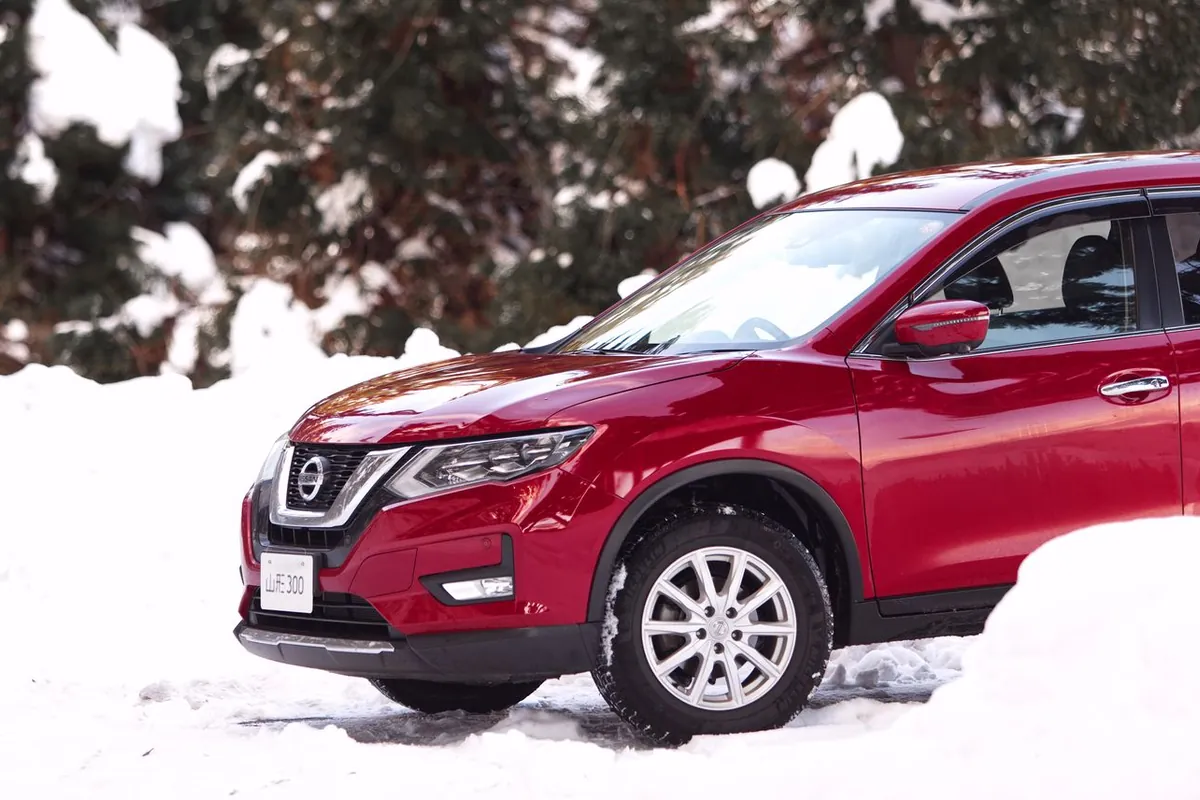
Nissan Rogue and Frontier body repair near Mesquite: who does it right?
Rogue or Frontier body repair near Mesquite: how unibody and frame repairs differ, Nissan's scan and parts rules, and how to tell a shop does it right.
 Repair by make
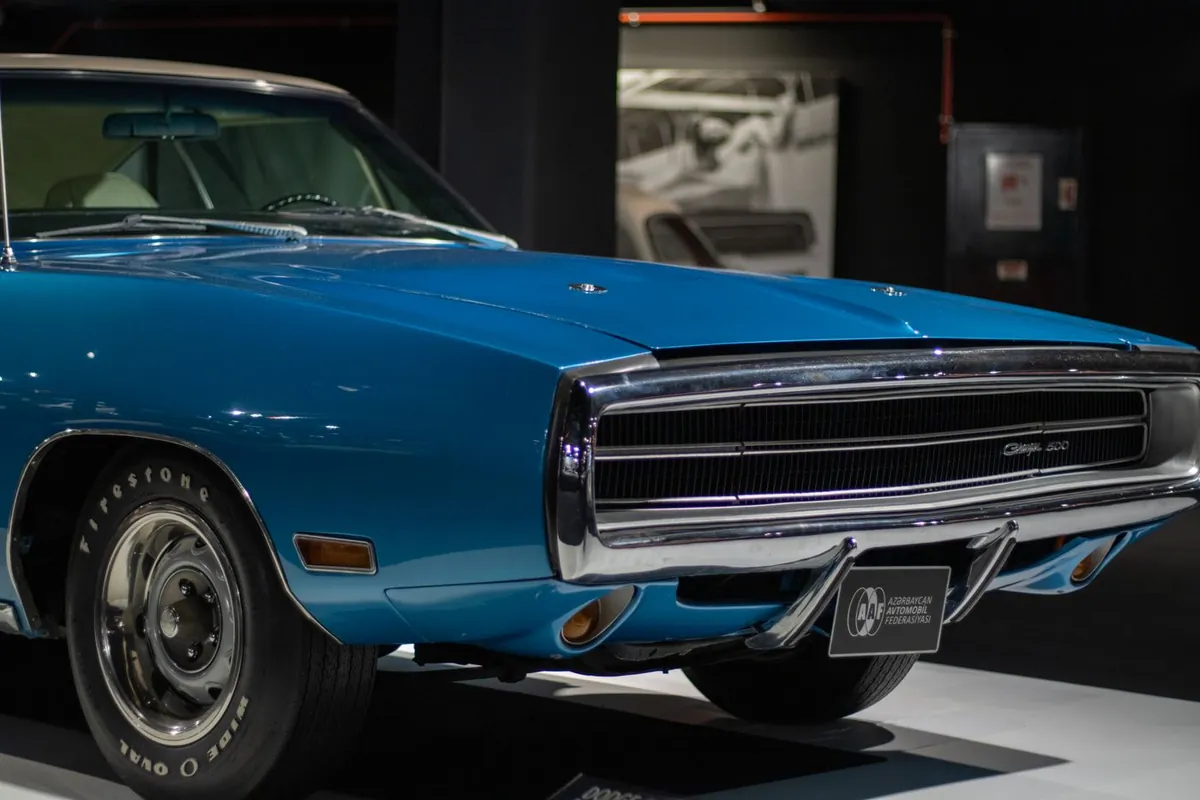
Dodge Charger and Challenger body and paint repair near Mesquite, TX?
Paint match, stripes, wheels and the scans FCA requires: what a Charger, Challenger or Durango repair involves and what to ask a shop near Mesquite.
 Repair by make
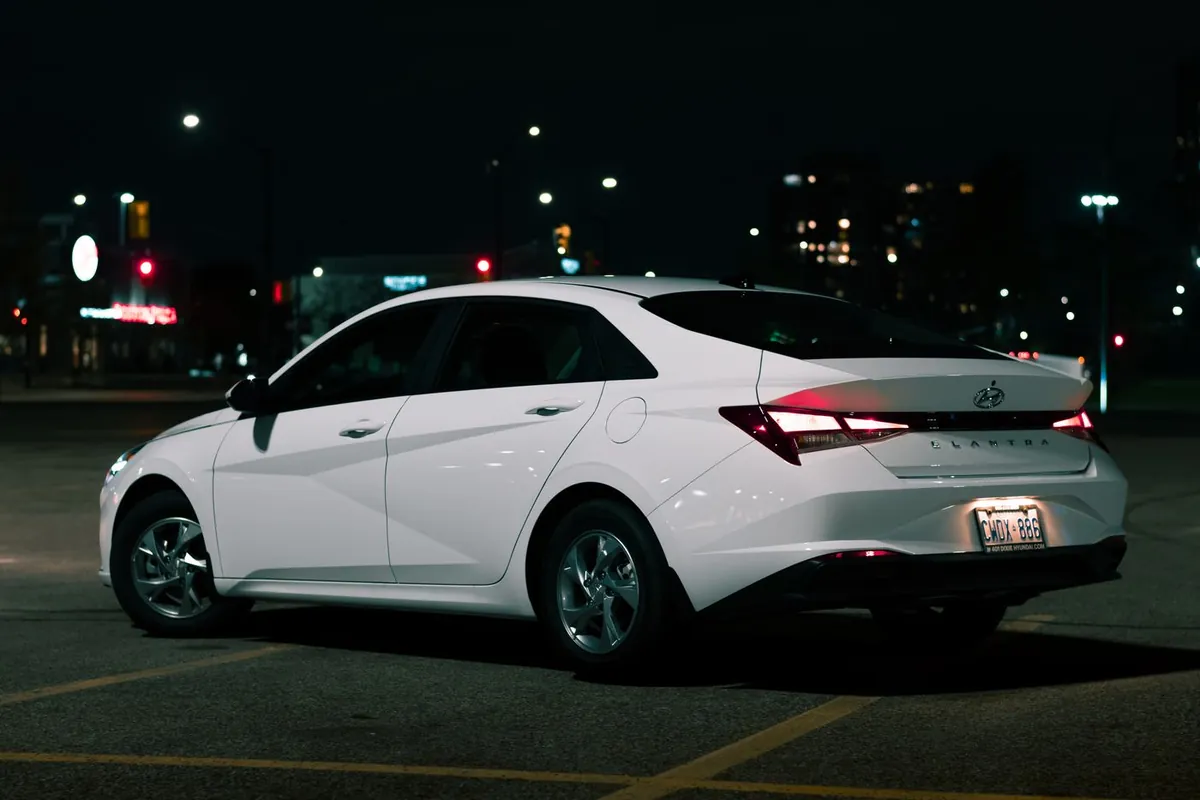
Hyundai Elantra, Sonata and Tucson collision repair near Mesquite, TX?
Hyundai collision repair near Mesquite: why Hyundai requires scans before and after, what changes on a hybrid, and how parts and insurance work in Texas.
More: all repair by make guides, collision repair, Nissan repair, repair by make, reviews and directions to the shop.